
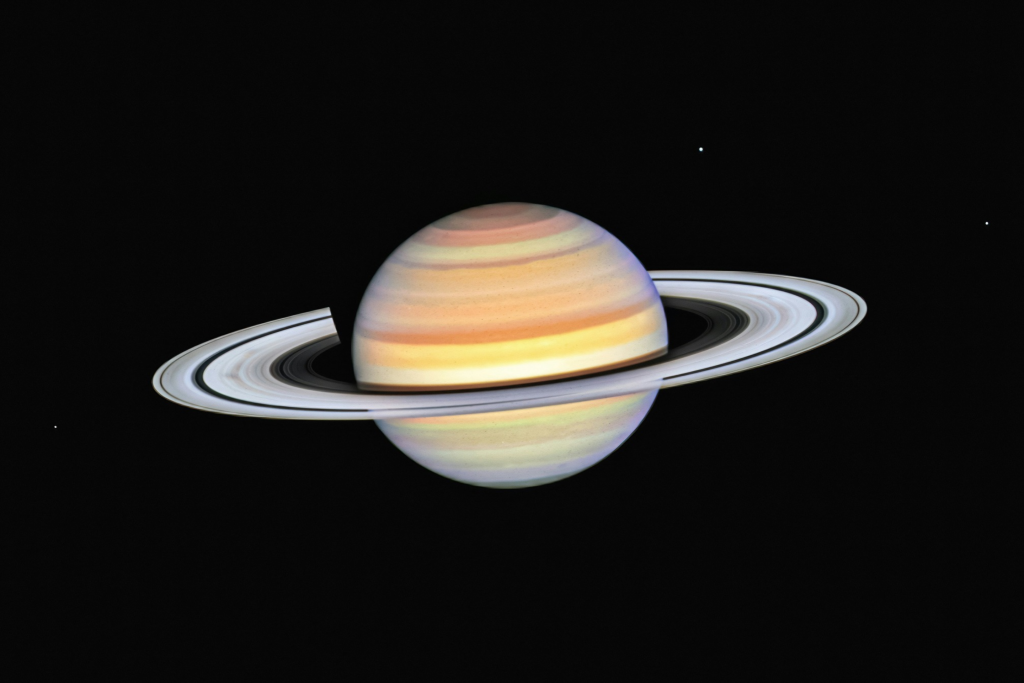

Stargazing season is in full swing, New Yorkers! Though fall entered this year alongside a rare September nor’easter, the skies have since cleared and the solar system is putting on quite the show. The highlight right now? Saturn, the stunning ringed planet.
On Sunday, October 4, Saturn reached opposition, meaning Earth passed between Saturn and the sun. That puts the planet at its closest and brightest point of the year, making this week one of the best times to see Saturn in the night sky.
And you don’t even need to wait until late at night to find it. Saturn rises around sunset and remains visible throughout the night, giving New Yorkers plenty of opportunities to spot the bright planet.
Alongside a rare Jupiter occultation happening tomorrow morning, October 6, there’s plenty to look out for in the night sky this week.
Here’s everything you need to know about stargazing in NYC and how and when to see Saturn this month.
Why now is the best time to see Saturn
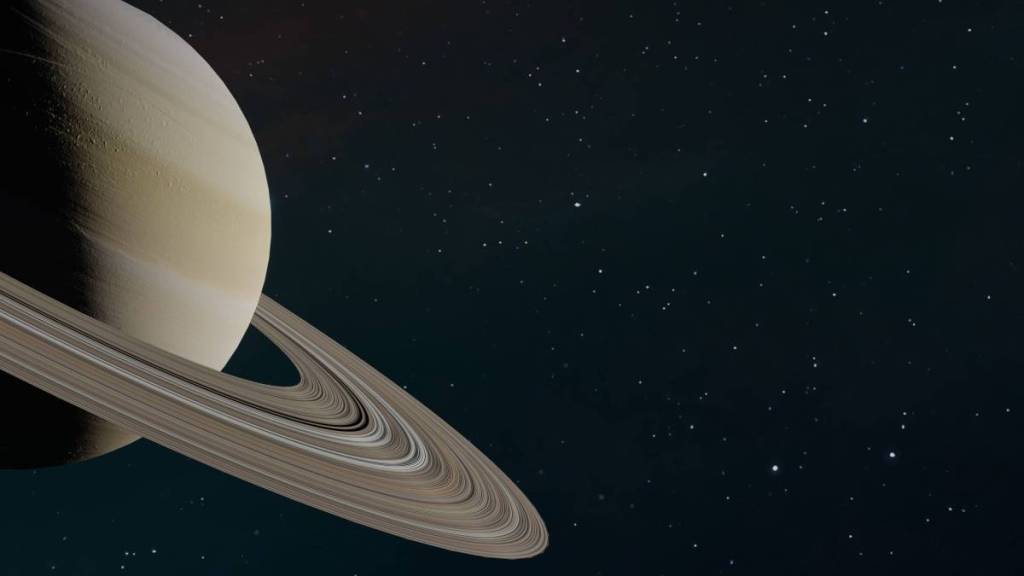
Saturn reaches opposition about every 378 days, so this is your best annual opportunity to catch the gas giant at its brightest.
The good news? You don’t have to catch it on the exact night of October 4. Saturn will remain a fantastic target throughout October, and it will continue to be visible all night in the early part of the month.
Plus, a New Moon arrives this weekend on Saturday, October 10, meaning there will be zero moonlight to compete with Saturn and the stars. Even later in October, Saturn will remain bright enough to spot despite the full moon happening on Monday, October 26, 2026—and, of course, New York City’s infamous light pollution.
Astrophysicist Jackie Faherty of the American Museum of Natural History highlighted fall as a great season for stargazing, calling Saturn the “star of the month.”
How to see Saturn from NYC this October
The easiest way to spot Saturn in the night sky is to head outside after sunset, find an open view, and look toward the southeastern sky.
- What to look for: Saturn will appear as a bright, yellowish, steady point of light to the naked eye (unlike stars, planets don’t twinkle)
- When to look: It rises around sunset, climbs higher in the sky throughout the evening, and reaches its highest point around midnight before gradually setting toward sunrise. Find precise sun and Saturn rising times in NYC
- Where it is: Astronomy magazine notes that Saturn is currently located in the constellation Cetus
You don’t need a telescope to see Saturn itself. But if you have access to binoculars or a telescope, that’s where the real fun begins…
You’ll be able to see Saturn’s rings, too
While Saturn is visible to the naked eye, you’ll need a telescope to get a good look at its famous rings. And the rings are looking noticeably better than they did last year.
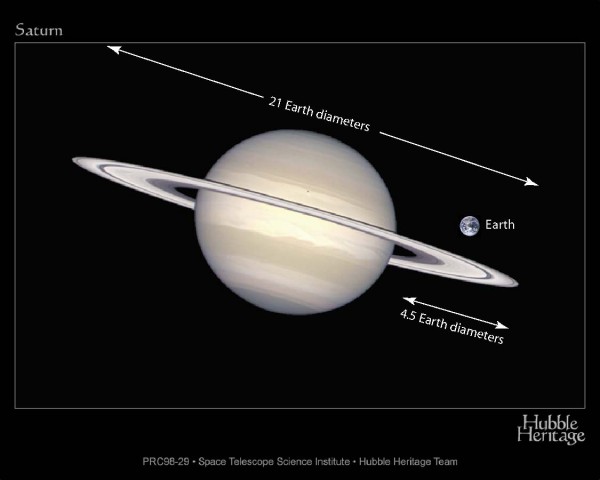
Saturn’s rings appeared nearly edge-on to Earth around the planet’s 2025 equinox, making them look extremely thin from our perspective. Now, they’re tilted about 7.5 degrees toward Earth, according to Delaware Valley Amateur Astronomers, giving skywatchers a much better view of the ring system.
Through a telescope, Saturn’s disk currently spans about 20 arcseconds, while its rings stretch roughly 45 arcseconds from end to end. The planet’s largest moon, Titan, is also bright enough to spot with a telescope or strong binoculars.
Saturn isn’t the only planet putting on a show
If you’re planning a late-night or early-morning stargazing session in NYC, Saturn isn’t the only thing worth looking for.
On Tuesday, October 6, the Moon will pass directly in front of Jupiter in a rare lunar occultation, making the giant planet appear to disappear from the predawn sky–and it’ll be visible from New York City!
Here’s everything to know about the rare Jupiter occultation and how to see it from NYC.
So grab a blanket, find the clearest patch of sky you can, and look up. Saturn is putting on one of its best shows of the year—and NYC has a front row seat.