
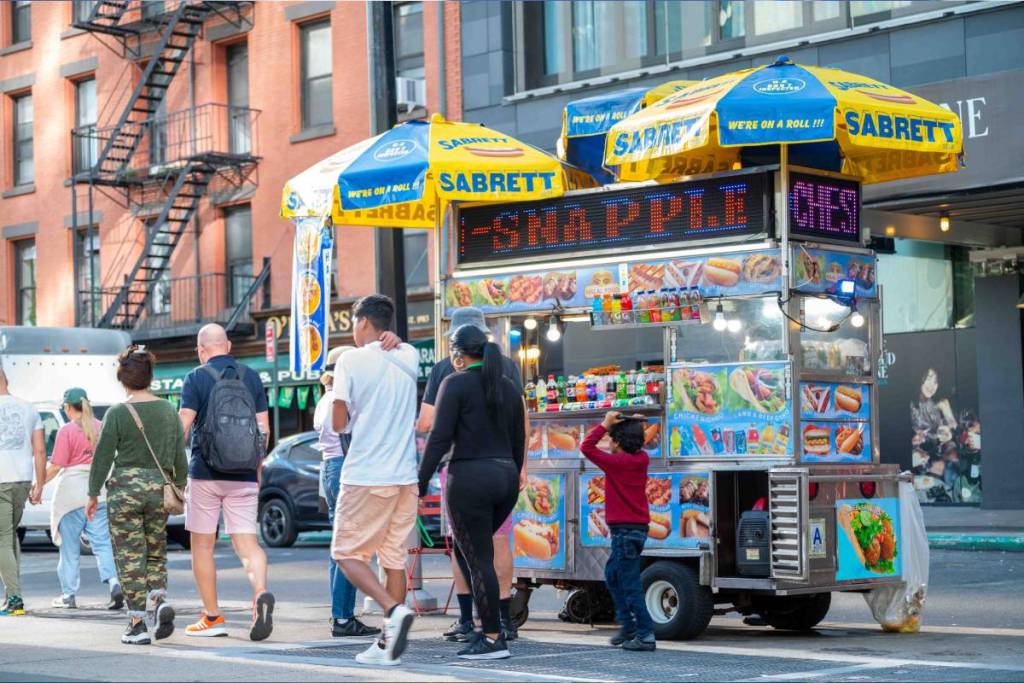

From street-side food carts and family-run eateries to boutiques, bars and bodegas, small businesses are the heartbeat of New York City. They’re the places that give every block its personality—and now, running one may be about to get a whole lot easier.
According to a recent press release, Mayor Zohran Mamdani has unveiled a sweeping package of more than 50 reforms aimed at cutting red tape, reducing paperwork, and making it simpler for entrepreneurs to open, operate, and grow their businesses across the five boroughs.
The changes touch everything from sidewalk cafés and ice cream permits to food trucks, childcare centers, bingo licenses, and inspections, all with the goal of saving business owners time, money, and unnecessary headaches.
Key Highlights at a Glance
- 50+ Specific Regulatory Reforms: Changes span 8 major business categories, with a heavy focus on restaurants, retail, transportation, and childcare.
- Dedicated “Concierge” Service: Small businesses opening a physical location will get a single point-of-contact case manager through an expanded NYC Business Express Service Team (NYC BEST).
- Immediate Fee & Penalty Waivers: DEP registration fees for food trucks and commercial cooking equipment drop from $110 to $0 for the next year. Maximum penalties for common food safety violations are capped lower.
- Inspector Transparency & Rights: Agencies must proactively give owners the Business Owner Bill of Rights during inspections, outlining proper treatment, inspector standards, and recourse options.

What’s Changed: Breaking Down the 50+ Reforms
🍽️ Food Service & Grocery (25 Reforms)
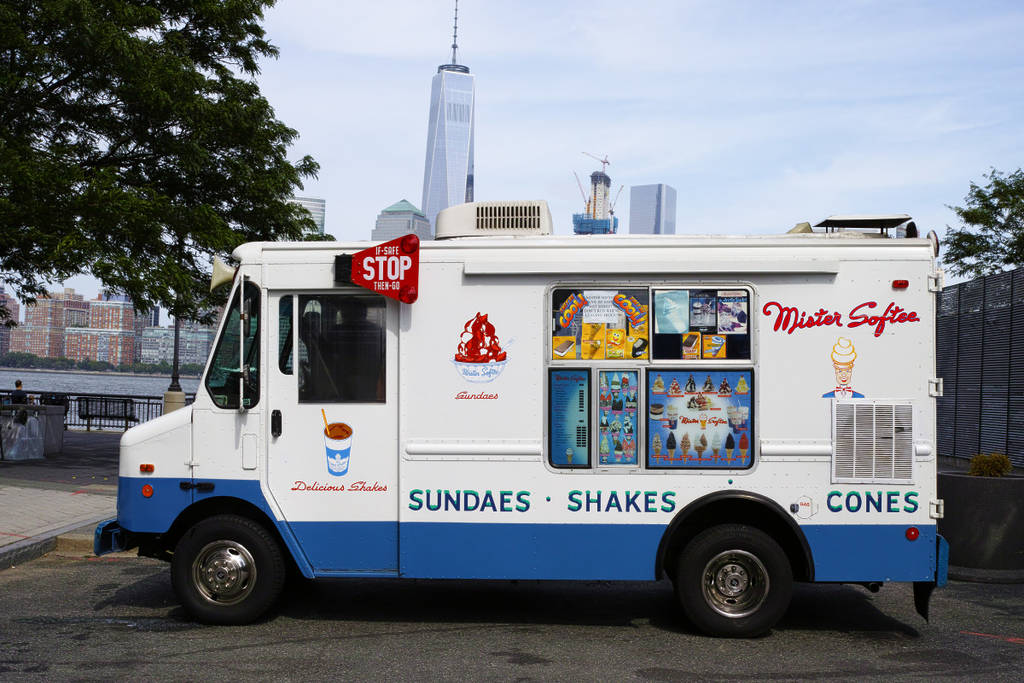
- No More Dual Ice Cream Permits: Ends the requirement for restaurants holding general food safety permits to apply for a second, separate permit just to serve soft-serve or frozen desserts.
- Simplified Outdoor Displays: Bodegas and corner stores will no longer need a separate outdoor display license to sell fruit, flowers, or soft drinks on the sidewalk right outside their front doors.
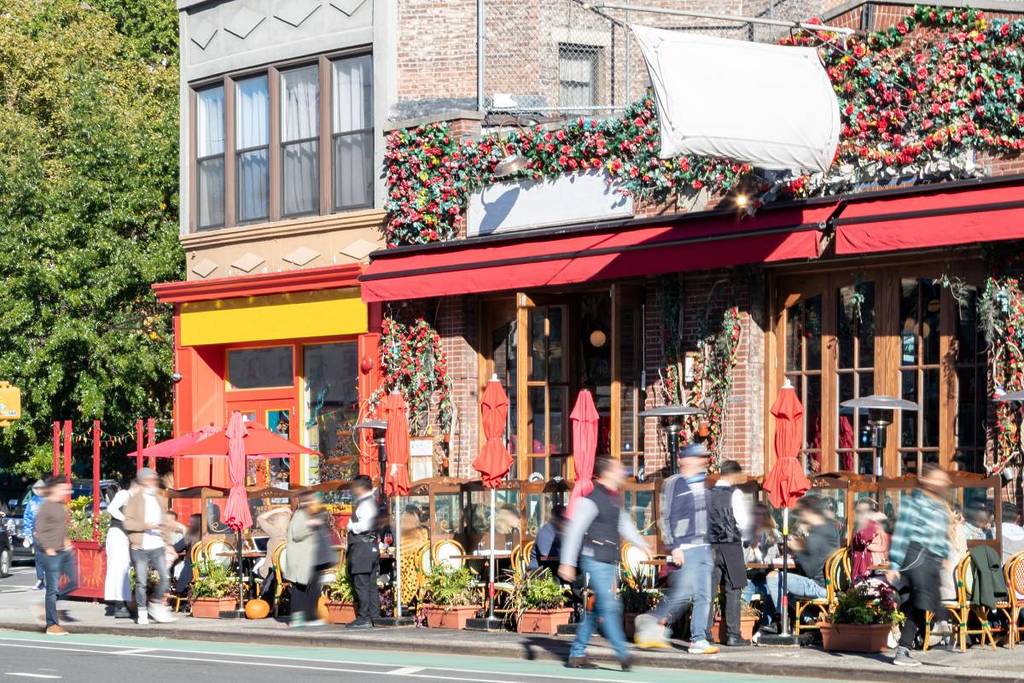
- Fast-Track Outdoor Dining: Waives Mayoral approval for sidewalk cafés immediately to speed up approvals, with roadway café streamlinings planned to follow.
- Streamlined Allergy Rules: Replaces two overlapping City and State allergy-poster requirements with a single, unified poster.
- Relocated Health Academy: Moves the mandatory in-person Food Protection Course location from the Upper West Side to 125 Worth Street in Lower Manhattan, making certification travel easier for outer-borough owners.
- Paperless Cart Records: Food cart vendors no longer need to carry a physical paper copy of their commissary agreement on the cart—the city will verify files electronically.
👶 Childcare & Community Nonprofits (7 Reforms)
- Single Childcare Playbook: Publishes one joint, plain-language guide uniting Health (DOHMH), Buildings (DOB), and Fire (FDNY) requirements, replacing three separate agency timelines.
- Modernized Gaming Rules: Updates outdated prize limits and administrative hurdles for non-profit fundraising (such as Bingo and games of chance hosted at local venues).
🚕 Retail, Commercial & Transportation (18 Reforms)
- Extended License Cycles: Longer renewal windows for newsstands, second-hand dealers, pawnbrokers, sightseeing bus operators, storage warehouses, and scale repairers.
- Zeroing Out DEP Fees: Waives the $110 registration fee for commercial cooking equipment and mobile food units for 12 months.
- TLC Fee Relief: Reduced costs and streamlined processes for Taxi & Limousine Commission drivers.
Implementation Timeline
Some changes are happening right away. As of July 2026, Mayor Mamdani’s executive order is in effect, bringing immediate updates like faster sidewalk café approvals, eliminating certain DEP fees, and expanding the city’s new concierge-style support program for small businesses.
By fall, the city will roll out updated customer service surveys to help monitor inspections and improve how agencies interact with business owners. Then, by this fall, the Department of Small Business Services is expected to unveil additional proposals aimed at tackling bigger challenges like high commercial rents, insurance costs, utility bills, and vacant storefronts.
The work won’t stop there. A new permanent interagency group, known as the OPEN Taskforce, will continue reviewing city regulations year-round and recommend new reforms annually to keep cutting red tape for NYC’s small businesses.