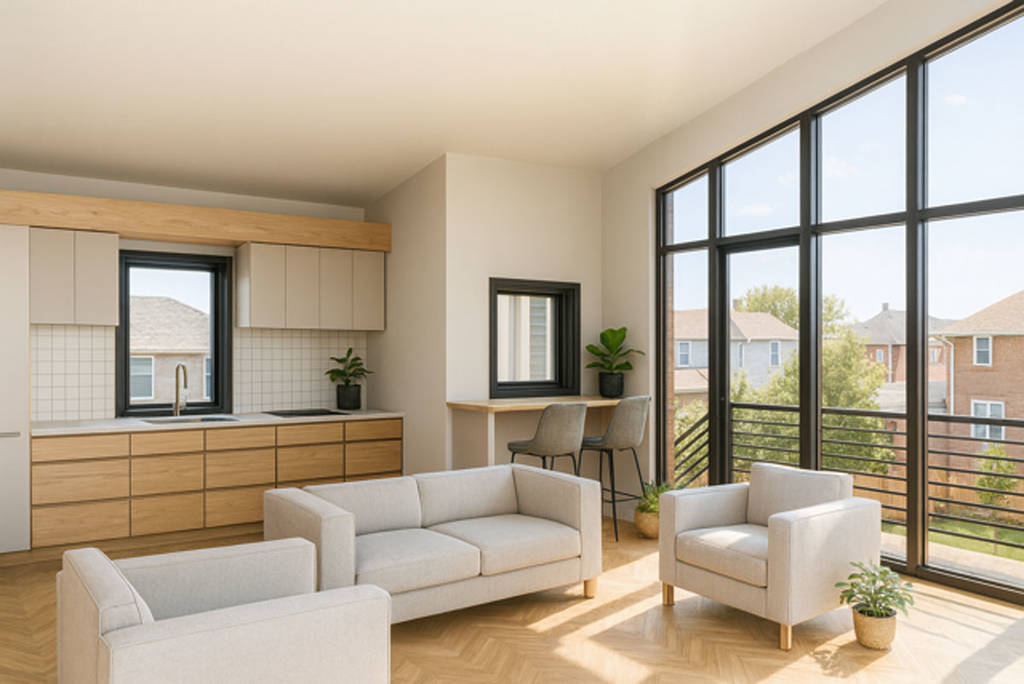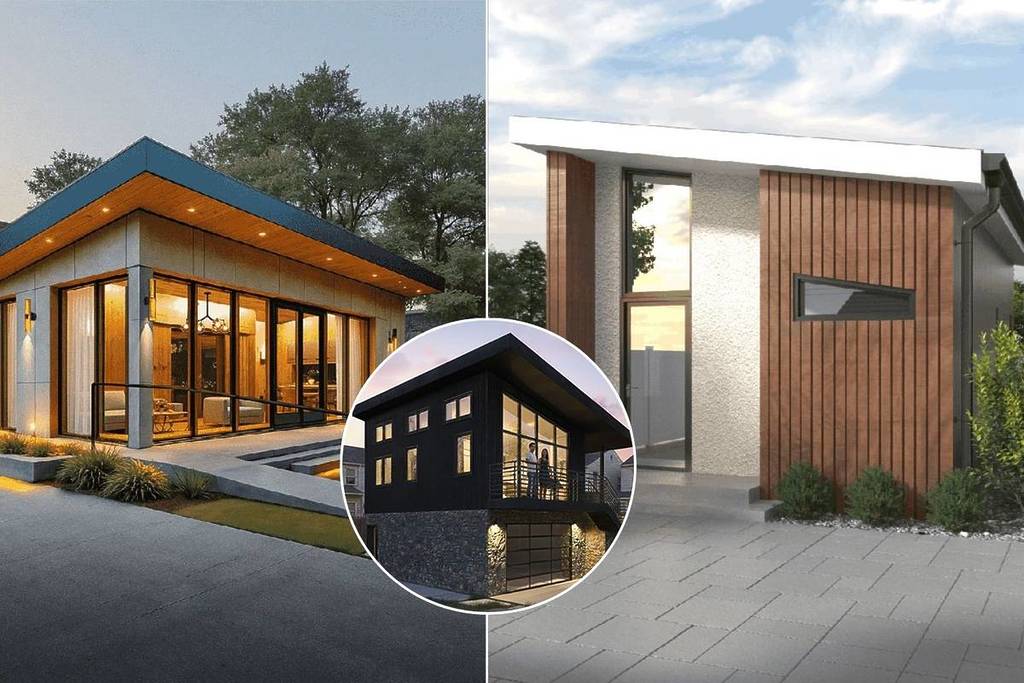

Tiny home living, NYC style? It’s no longer just a trend. It’s becoming a real, tangible solution to one of the city’s biggest challenges.
In January 2026, New York City officially legalized tiny homes and small accessory dwelling units (ADUs), opening the door to a new wave of flexible, small-scale housing across the five boroughs.
And this week brought big news for small homes: New York City has relaunched its Plus One ADU program after a two-year pause, making it easier for homeowners to add accessory dwelling units to their properties, according to a March 18th press release by NYC GOV.
Run by the city’s Department of Housing Preservation and Development, the program is part of the broader “City of Yes for Housing Opportunity” effort to help ease the housing shortage.
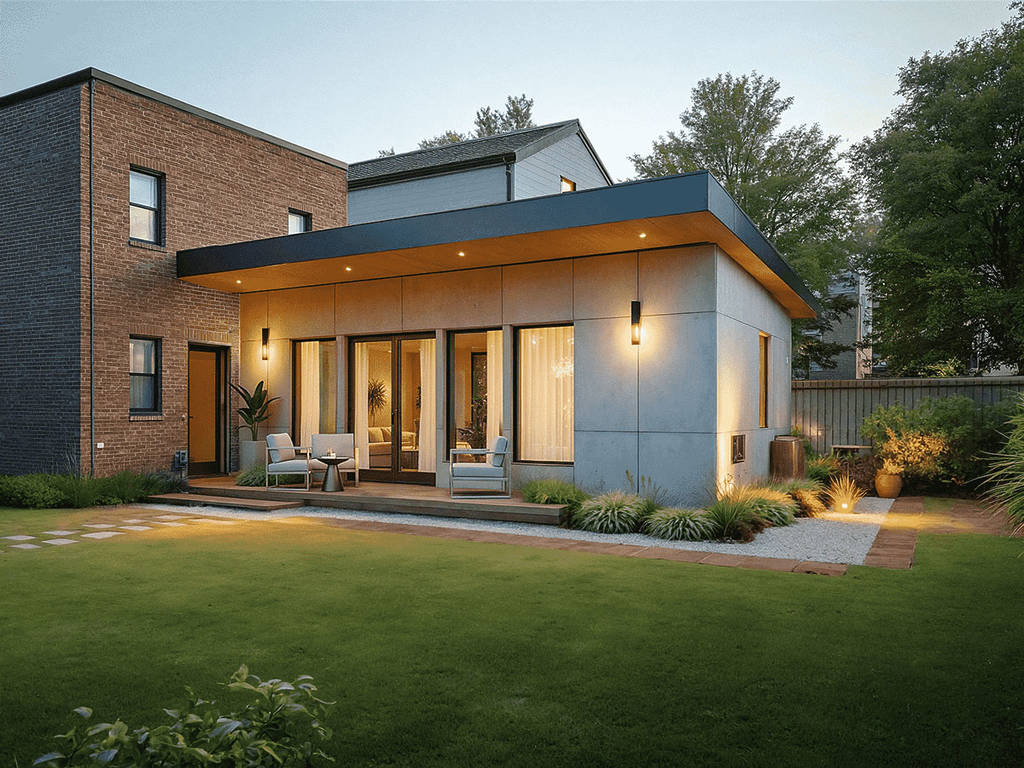
It supports the creation of accessory dwelling units—like basement apartments, garage conversions, or backyard cottages—by cutting red tape and offering major financial help, including up to $395,000 in construction loans. The goal is to let homeowners add space for family or earn extra rental income.
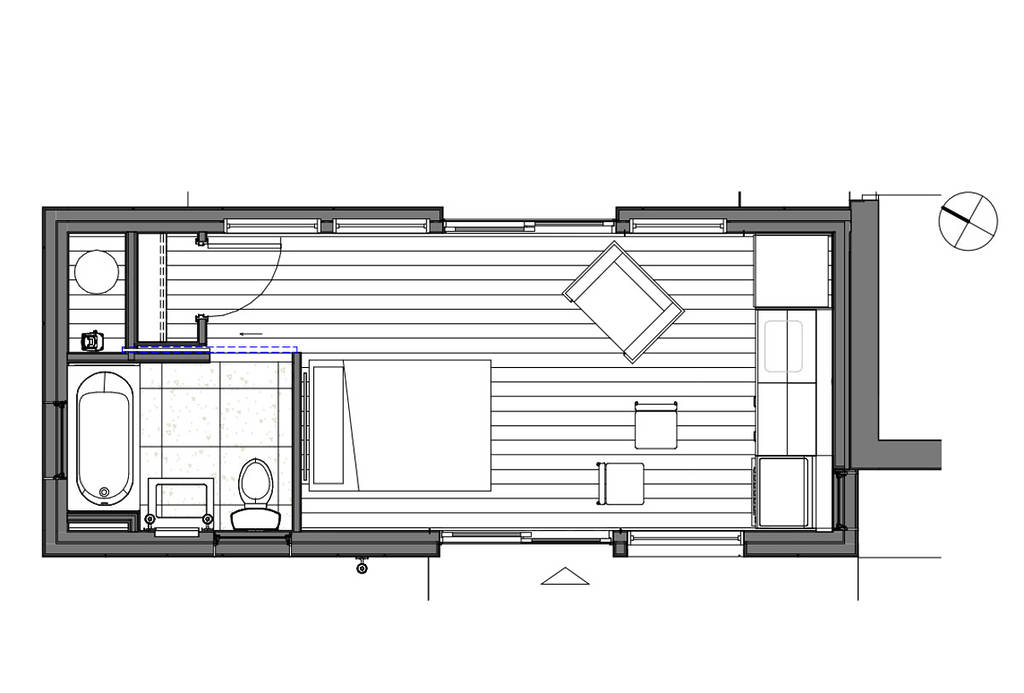
🏠 What is an Accessory Dwelling Unit (ADU)?
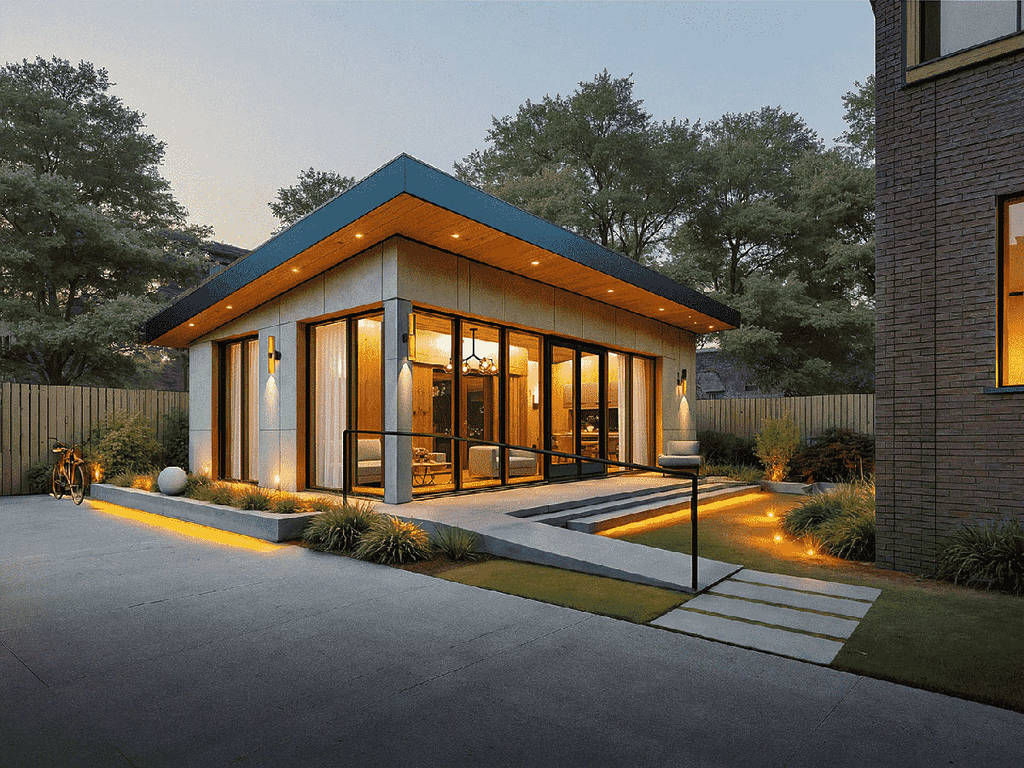
Often referred to as “granny flats” or “ancillary units,” an ADU is a secondary, self-contained residential unit located on the same lot as a primary single-family or two-family home. These units provide independent living facilities, including a kitchen, bathroom, and sleeping area. In the context of New York City, ADUs typically take four forms:
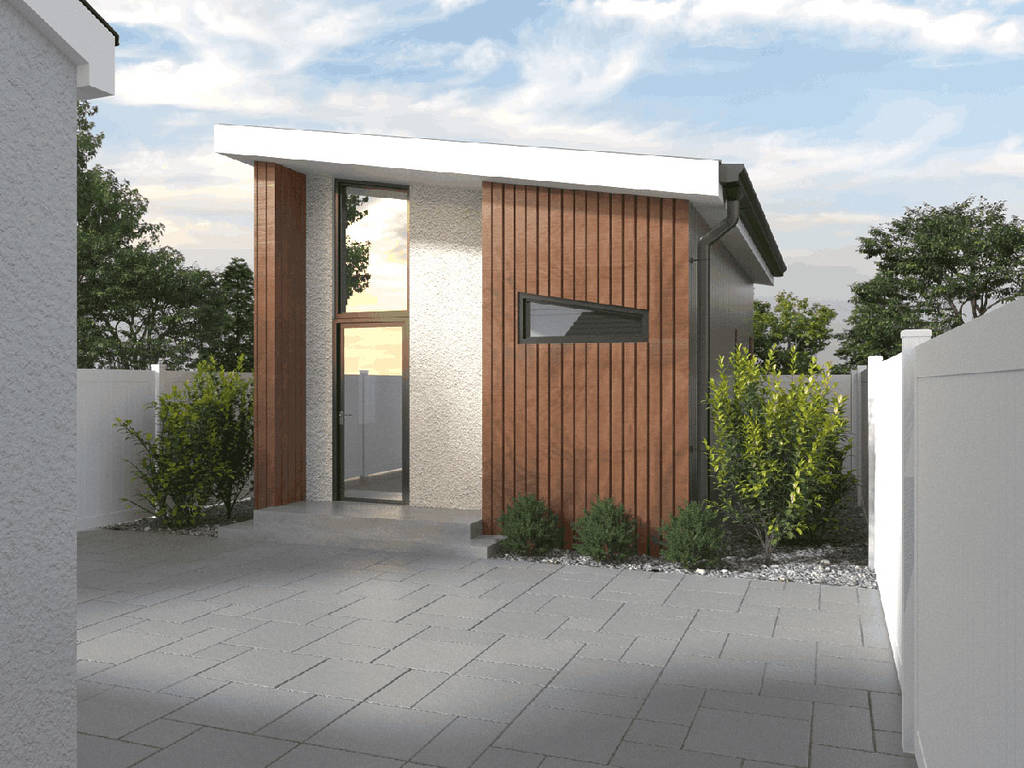
- Backyard Cottages: Detached “tiny homes” or structures located in the rear yard.
- Garage Conversions: Transforming an existing garage into a livable apartment.
- Basement or Attic Units: Converting internal underutilized space into a legal residence.
- Attached Additions: Building a small extension onto the side or rear of the main house
✅ The Plus One ADU Program: NYC’s $395K Incentive
After a two-year pause, the Department of Housing Preservation and Development (HPD) has officially restarted the Plus One ADU program. This initiative is designed to strip away previous rules that historically made building these units nearly impossible for the average homeowner.
- Financial Support: Eligible homeowners can receive up to $395,000 in construction financing per project.
- Technical Assistance: Beyond the money, the city provides “hand-holding” through the construction process, managed by partners like Neighborhood Restore and Restored Homes HDFC.
- Strategic Goal: The city anticipates these units will account for over 30% of new housing generated by recent rezoning, with a target of 25,000 units over the next 15 years.
🛠️ New Tools to Simplify the Build
The city has launched a suite of digital resources to ensure homeowners don’t have to be experts in zoning law to get started:
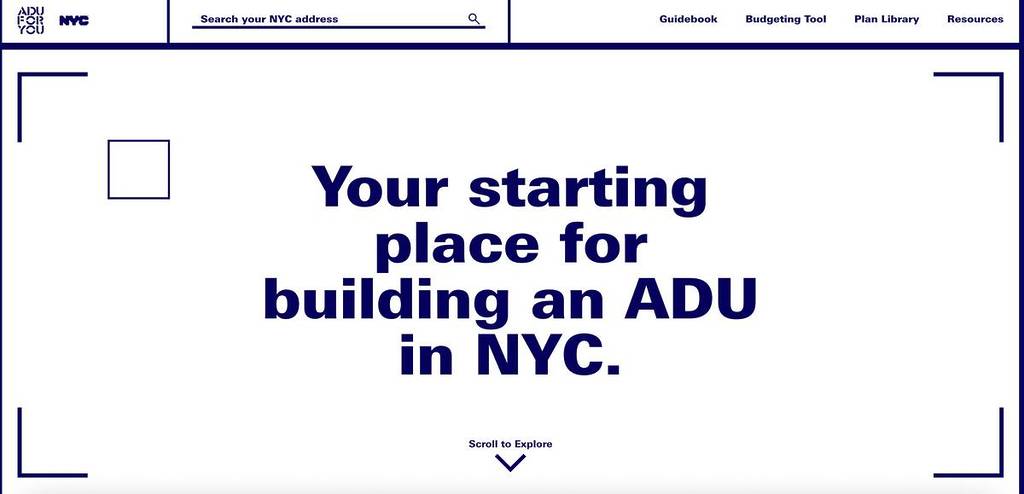
- Address-Based Eligibility Tool: Homeowners can now enter their address to see exactly what type of ADU is legally permitted on their specific lot.
- Pre-Approved Plan Library: To bypass the lengthy Department of Buildings (DOB) review process, the city offers a library of “Rear Yard ADU” designs. Using these pre-vetted templates means faster approvals and fewer architectural surprises.
- Budgeting & Guidebooks: A new “ADU for You” guidebook provides step-by-step instructions from the first permit to the final coat of paint, including realistic construction cost estimates.
While interest is high—roughly 2,800 homeowners applied in the initial round—the eligibility requirements remain strict. Currently, only about 25% of applicants have met the criteria for the program.
The city is currently gearing up for its first official loan closings in early 2026. Applications for the current round of Plus One ADU financing are open now but will close on June 12th, 2026. For more information on how to apply and check your availability, see the official portal.
📋 A Five-Step Process for Homeowners
- Occupancy: Complete final inspections and requirements to receive a Certificate of Occupancy.
- Check Eligibility: Use the online tool to see if your lot’s zoning allows for an ADU.
- Define Your Goals: Decide if the unit is for rental income, housing an aging family member, or increasing property value.
- Plan and Design: Choose between a custom design or a cost-effective design from the Pre-Approved Plan Library.
- Secure Permits and Build: Work with a Registered Design Professional (RDP) to adapt plans and begin construction.