
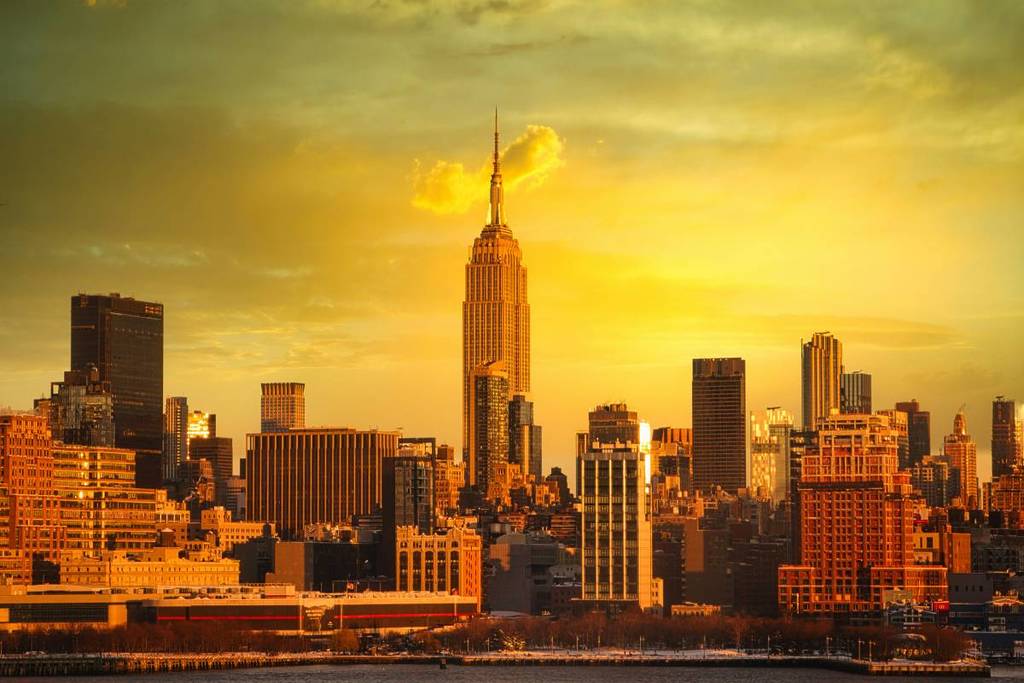

Though we’re still technically in spring, summer’s forecasted “volatile mix” of historic heat has officially arrived early. NYC is shattering a 30-year record this week with a punishing heat wave pushing triple-digit RealFeel temperatures.
The extreme weather has triggered Air Quality Advisories (in effect through 11 pm tonight) and an official Code Red Alert. Additionally, the National Weather Service (NWS) has issued a Heat Advisory from 11 am Tuesday, May 19, through 8 pm Wednesday, May 20.
Here is everything you need to know about what a Code Red means for New Yorkers, how to stay safe, and where to find relief.
What is a Code Red Alert?
The NYC Department of Homeless Services (DHS) officially declares a Code Red during periods of extreme, dangerous heat and humidity.
Specifically, a Code Red is triggered when:
- The heat index hits 95°F or higher for two or more consecutive days
- The heat index hits 100°F or higher for one or more days
During a Code Red, shelter options are expanded and enhanced outreach is deployed to protect the city’s most vulnerable unsheltered populations.
Note: If you see anyone on the street who appears to be in distress due to the heat, please call 311 immediately to dispatch an outreach team.
What Are The Warning Signs Of Heat Illness?
High heat is a silent killer. It’s crucial to monitor yourself, your friends, and your neighbors for warning signs of heat exhaustion or heat stroke:
- Hot dry skin (or excessive sweating)
- Trouble breathing
- Rapid heartbeat
- Confusion, disorientation, or dizziness
- Nausea and vomiting
Who Is Most At Risk?
While the heat affects everyone, those at the highest risk include adults aged 60 and older, young children, and individuals with pre-existing health conditions (like heart disease, diabetes, respiratory issues, or cognitive impairment).

How NYC Is Responding
Mayor Zohran Mamdani and New York City Emergency Management (NYCEM) have activated the City’s Heat Emergency Plan. This coordinates multiple city agencies to deploy immediate relief, including:
- Opening Cooling Centers: Air-conditioned public spaces like libraries, community centers, and museums are open to the public
- Targeted Outreach: Expanding direct wellness checks for high-risk residents
- Real-Time Monitoring: Working closely with healthcare providers and utility companies to prevent power grid failures and track health impacts
How To Stay Safe & Find A Cooling Center
If you do not have air conditioning at home, do not try to tough it out. You can find your nearest public cooling center by checking the Cooling Center Finder or calling 311.
Other essential safety tips include:
- Avoid Peak Sun: Stay indoors and avoid strenuous outdoor activity between 11 am and 4 pm
- Hydrate constantly: Drink water even if you don’t feel thirsty, and avoid caffeine or alcohol
- Dress light: Wear lightweight, loose, and light-colored clothing
- Seek AC: If your apartment is too hot, spend the afternoon at an air-conditioned movie theater, mall, or museum
How To Help Prevent NYC Brownouts
With millions of air conditioners running simultaneously, the city’s power grid faces immense strain. To help avoid localized brownouts and power outages, New Yorkers are urged to conserve energy where possible:
- Postpone using heavy appliances (like washing machines or dishwashers) until the evening
- Set your air conditioner to 78°F or “low” rather than blasting it on high
- Keep shades, blinds, and curtains closed to block out direct sunlight
- Turn off lights and appliances in rooms you aren’t currently using
For real-time updates and more health resources, visit NYC.gov/health or NYC.gov/beattheheat.
Stay safe and check in on your neighbors, NYC!