


Brace yourselves, New York. Just when you finally got used to the historic $3 subway swipe, the MTA is preparing to dip back into your wallet.
The transit agency is planning another round of fare and toll hikes for March 2027, less than four months away. While the exact nickel-and-dime breakdown hasn’t been finalized, the agency has set a firm target: a 4% increase in fare and toll revenue.
Recommended Articles
 $23,405 to own your own Manhattan apartment—applications are now open for an ultra-rare NYC listing
 NYC’s High Line is finally fully open for the first time in years, with a new 2,561-square-foot garden
Here’s a breakdown of what we know so far, why the agency says they need the cash, and what it means for your daily commute.
What to expect for your 2027 commute
The MTA generally aims for biennial 4% increases to keep pace with inflation (a schedule they’ve tried to maintain since 2009, minus a pandemic pause).
Because the agency historically rounds to the nearest nickel, here’s what the math looks like:
- The Projected Base Fare: A 4% bump would raise the current $3.00 base fare to roughly $3.12. Depending on how they round, it could land anywhere between $3.10 and $3.15
- The Weekly Impact: If you ride the subway twice a day, five days a week, you currently spend about $30 a week. At $3.12, that climbs to $31.20
- The Timeline: The MTA plans to implement the changes in March 2027, following public hearings and an official board vote
- Looking Ahead: The preliminary financial plan already pencils in another 4% increase for 2029

The pushback: Affordability and budget holes
The proposed hikes are arriving at a breaking point for many commuters.
A recent survey of over 4,000 adults by the anti-poverty nonprofit Community Service Society revealed a stark reality: 1 in 5 subway and bus riders say they cannot afford the fare when they need to ride.
So why the rush to raise prices?
A recent report from State Comptroller Thomas DiNapoli’s office warned that the MTA is staring down a nearly $900 million budget hole by 2030—even with the planned 2027 and 2029 fare hikes factored in.
Critics and budget watchdogs are pointing fingers directly at the agency’s internal spending.
DiNapoli’s office urged the MTA to crack down on fare evasion and reign in its own costs, explicitly calling out skyrocketing overtime pay, which hit a record $1.5 billion last year.
Meanwhile, MTA Chairman Janno Lieber and Governor Kathy Hochul are actively lobbying the federal government for funding to help cover the gaps.
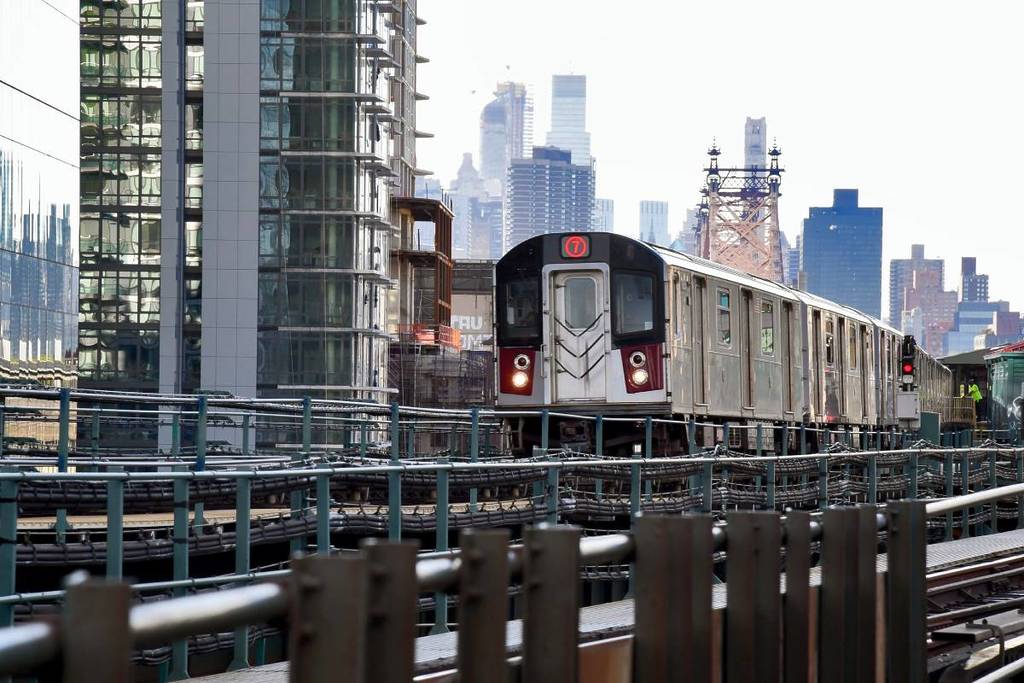
How to get half-price rides with the Fair Fares expansion
If the upcoming hikes are straining your budget, relief is expanding.
Historically, nearly 3 in 10 riders who struggled to pay didn’t qualify for Fair Fares—the city’s half-price transit program—because they earned just over the strict income cutoff. However, the City Council recently passed legislation to expand eligibility.
- New Cutoffs: Eligibility is expanding from 150% to 200% of the federal poverty level
- Wider Reach: This change makes 340,000 more New Yorkers eligible, bringing the total up to 1.3 million people
- How to Apply: The City Council noted that only about 40% of eligible New Yorkers are actually enrolled. Registration has been streamlined, so if you qualify, you can get 50% off subway, bus, and paratransit rides right now
Before any final numbers are locked in, the MTA will hold public hearings. If you have thoughts on the jump to $3.12—or the agency’s $1.5 billion overtime bill—those hearings will be your chance to weigh in.
Don’t miss out! Follow us on Facebook, Instagram, and now on WhatsApp, too!