
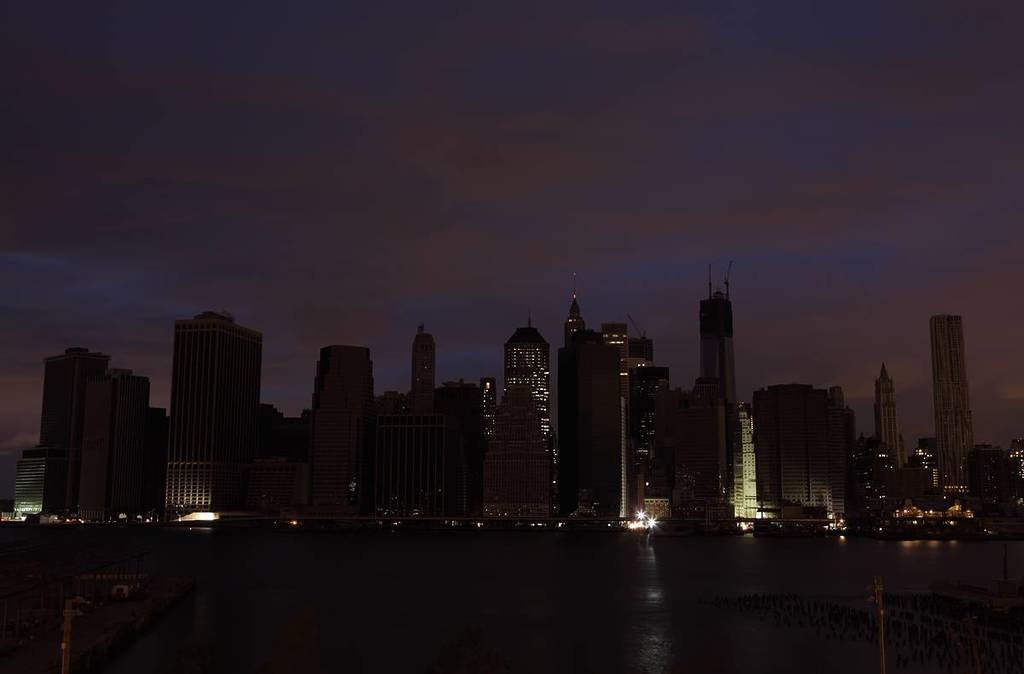

The city never sleeps, but according to a new report by the New York Independent System Operator, it might be quite a bit darker than normal this summer.
On April 24th, the NYISO released its annual Summer Reliability Assessment, and the findings are sobering: New York is facing its narrowest reliability margin in recent history. As the state transitions its energy grid, the cushion between “lights on” and “grid failure” has shrunk to a razor-thin edge.
What To Know: The Numbers Behind the Risk
The reliability margin (or the gap between available power and expected demand) has plummeted to just 417 MW under baseline conditions. To put that in perspective, this is the lowest surplus the state has seen in years.
- Total Available Resources: 34,615 MW
- Forecasted Peak Demand: 31,578 MW
- Required Operating Reserves: 2,620 MW
While the math suggests a surplus, the NYISO is required by the New York State Reliability Council to keep over 2,600 MW in reserve for emergencies. When you factor in those mandatory reserves, the state is operating with little room for error.
Why the Margin is Shrinking
The NYISO identifies three primary “stressors” that are converging this summer to create a high-risk environment:
- Aging Infrastructure: Existing power plants are getting older and becoming less reliable, frequently performing below their rated capacity.
- The Grid in Transition: New York is aggressively moving toward renewable energy. However, older “dispatchable” fossil-fuel resources are retiring faster than new, reliable capacity can be added to the grid.
- Transmission Bottlenecks: Even when power is generated, moving it from upstate sources to the high-demand centers of New York City remains a significant logistical challenge.
New York’s power grid is expected to handle a typical summer, but extreme heat could quickly push it past its limits.
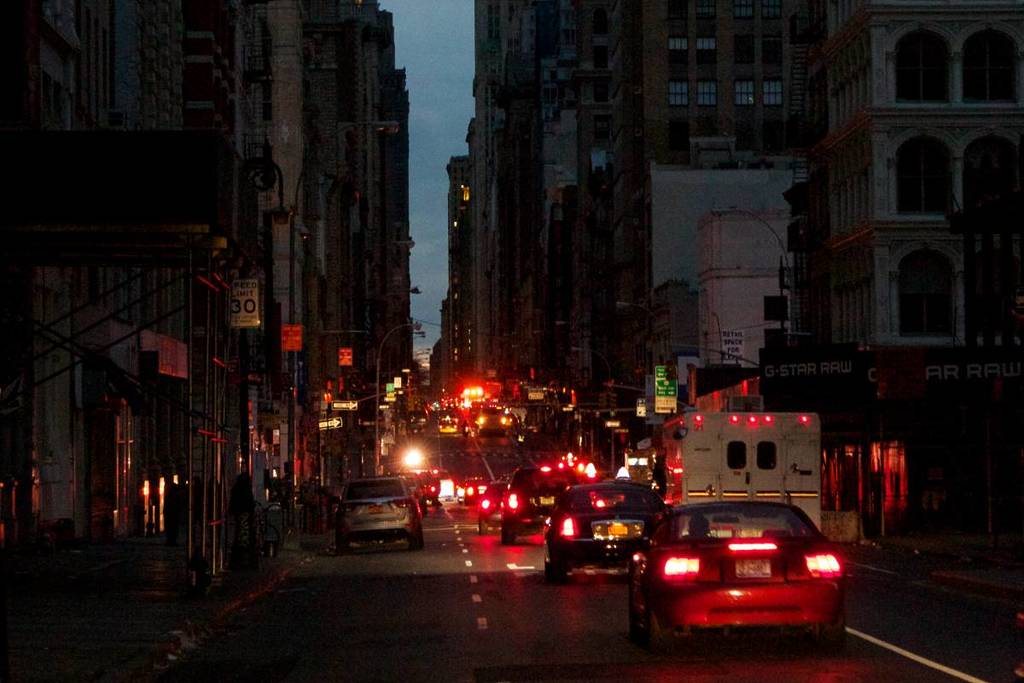
According to recent projections, if the city experiences a heatwave of 95 degrees lasting three or more days, the system could fall short by about 1,679 megawatts.
If temperatures climb even higher to 98 degrees, that deficit could more than double to 3,370 megawatts. In situations like these, electricity demand would exceed supply, forcing grid operators to take emergency measures beyond normal operations.
Officials say a major issue is the lack of new, reliable energy sources that can be quickly turned on when demand spikes.
To address this, grid operators are working with power plant owners to keep older facilities running during peak times, coordinating with neighboring states to import electricity when needed, and partnering with government agencies to speed up the development of new energy projects.
What This Means For New Yorkers
For many residents or business owners in NYC, this summer requires a mindset of preparedness.
- Stay Informed: Subscribing to local utility alerts (like Con Edison) and monitoring NYISO press releases will be essential for navigating the hottest months of 2026.
- Expect “Conservation Days”: On particularly humid, stagnant days, you will likely receive notifications to reduce power usage during peak afternoon hours (typically 2:00 PM to 8:00 PM).
- Reliability vs. Reality: While the NYISO operates under strict federal and state oversight, the “narrow margin” means that a single major equipment failure during a heatwave could trigger localized outages.