
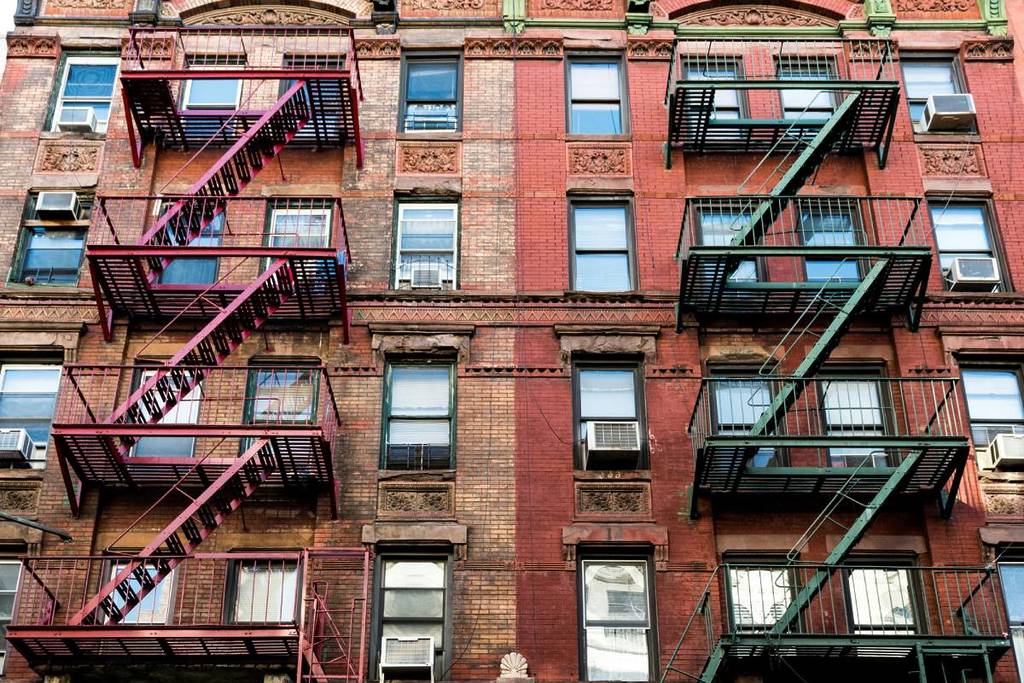

While New Yorkers are used to landlords covering the basics–heat, hot water, and essential safety measures–there’s one rule that continues to catch renters off guard: you may actually have to pay for some of your apartment’s life-saving detectors.
And with New York City preparing to roll out new natural gas detector requirements by 2027, confusion is only growing.
So what’s actually required–and what can landlords legally charge you for?
🏙️ What New York Renters Need To Know
Under NYC law, landlords are required to provide and install smoke detectors, carbon monoxide detectors, and–soon–natural gas detectors in many residential buildings.
But here’s the catch:
- Tenants can be charged $25 per device
- Or $50–$75 for combined detectors
That charge can apply when:
- A detector is first installed
- It’s replaced at the end of its lifespan
- Or if it’s been lost or damaged
Yes–even routine replacement can come with a fee.
🔥 A New Push For Natural Gas Detectors
The biggest shift right now involves natural gas detectors, which are being phased in under a newer city law.
- Buildings with gas piping will be required to install them
- Devices must be placed within 15 feet of sleeping areas
- They must include end-of-life alerts
The deadline to comply is currently set for January 1, 2027, though it could be extended depending on device availability.
This is part of a broader effort to reduce risks tied to gas leaks–something that can happen due to aging infrastructure or damaged pipes.
🧾 Who Pays For What?
Here’s how responsibilities break down:
Landlords must:
- Install all required detectors
- Replace devices when needed
- Ensure they’re working at move-in
Tenants must:
- Maintain the devices
- Replace batteries
- Reimburse the owner for certain installations or replacements (you have one year from the date of installation to make a payment)
One key exception: Tenants in hotels, dorms, and other Class B buildings typically don’t have to pay for detectors.
🚨 The Bottom Line
NYC landlords are still responsible for installing and maintaining safety devices, but tenants may be on the hook for a small fee in certain situations.
With new gas detector rules on the horizon, it’s a good time to double check what’s in your lease and what you might be expected to pay for.
⚠️ Stay Safe: What To Do If You Smell Gas
Officials are clear on this:
- Leave immediately
- Get to a safe location
- Call 911
Natural gas is odorless, but utilities add a chemical that smells like rotten eggs to help detect leaks. Other warning signs include:
- Hissing sounds
- Dizziness or nausea
- Trouble breathing