


You’re standing at the gate. You have your boarding pass in hand and an overpriced iced coffee in the other.
Suddenly, a gate agent flags your bag. It’s too big.
You’re scrambling for a credit card while everyone else boards. Your relaxing getaway is officially off to a stressful start.
This is exactly what thousands of New York travelers are facing in 2026.
Most people assume the TSA changed the rules. They didn’t.
What actually changed is airline enforcement. Airlines are measuring bags at the gate far more consistently than ever before.
Here is the full breakdown of the rules you need to know before you head to the airport.
TSA rules vs. airline rules
Most of the airport confusion comes from mixing up two completely different systems.
The TSA controls security screening. They dictate what you can bring through the checkpoint. This includes liquids, batteries, prohibited items, and identification. (Remember: Real ID is now fully enforced for domestic flights).
Airlines control your physical bag. They set the carry-on size, weight limits, and gate-check fees. The TSA has no say in this whatsoever.
The magic numbers haven’t changed
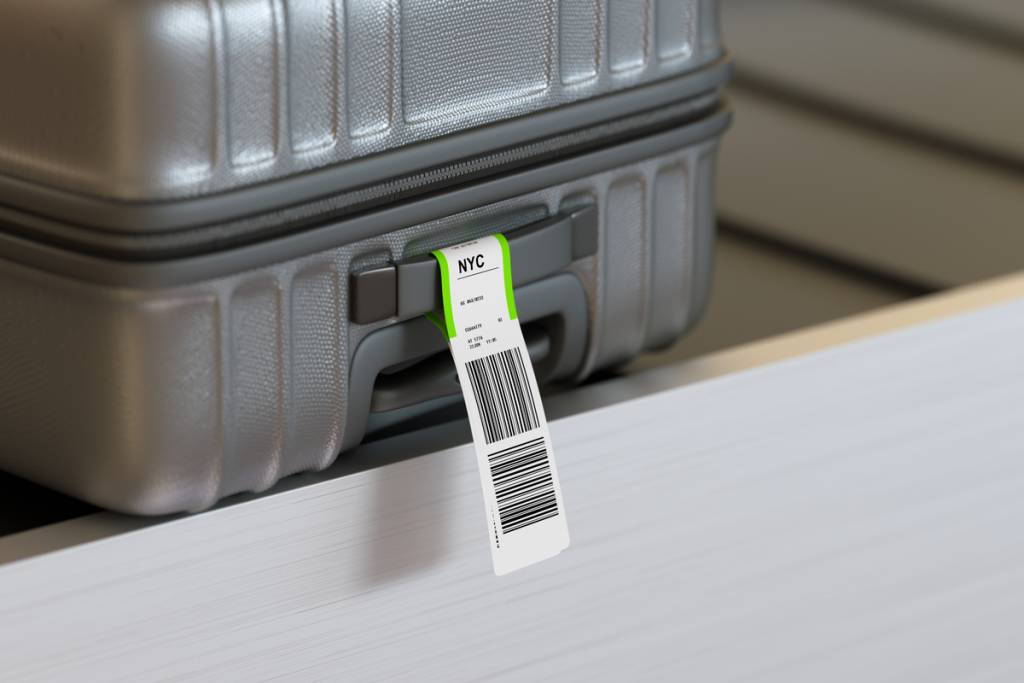
Major domestic carriers all use roughly the same dimensions. If you are flying American, Delta, United, JetBlue, or Alaska, the limit is 22 x 14 x 9 inches.
This strictly includes your wheels and handles. Southwest is slightly more generous, allowing up to 24 x 16 x 10 inches.
Neither the TSA nor the airlines rewrote these size limits for 2026. The dimensions are exactly the same. What is different is the strict, automated gate enforcement.
The ‘including wheels and handle’ trap
Airlines measure your total exterior dimensions. That means the full height from the bottom of the wheels to the top of the handle.
Soft-sided bags used to get some leeway because you could compress them. That grace period is over. If your bag doesn’t drop easily into the metal sizer at the gate, it gets checked.
Gate-check fees easily run $35 to $65, and budget carriers often hit $75 to $100.
Beware the expansion zipper
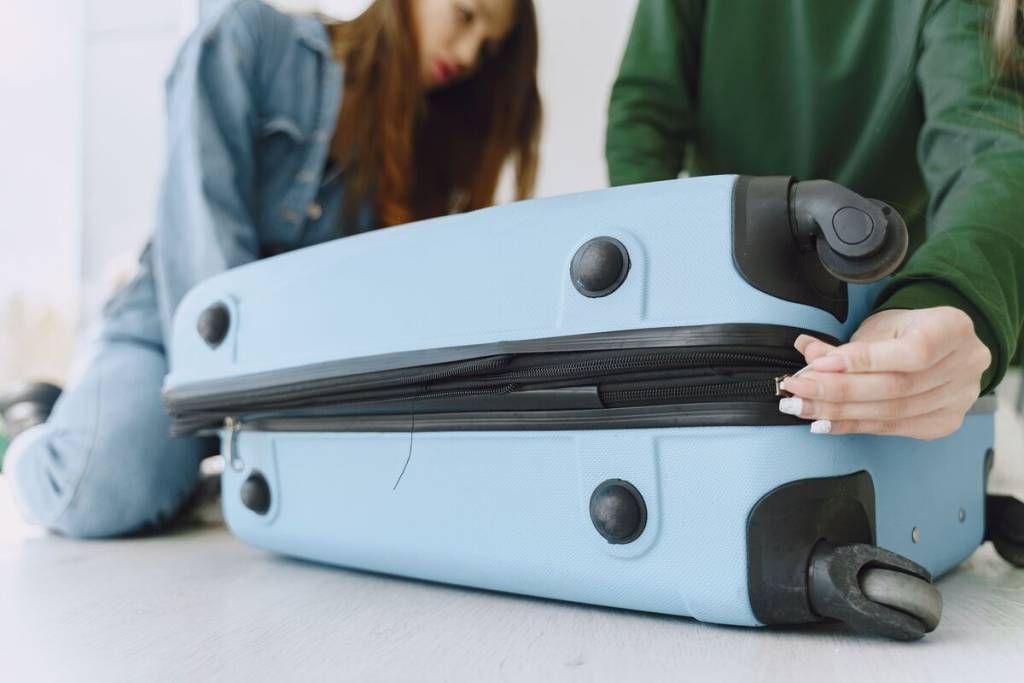
Many roller bags feature a handy expansion zipper. They work perfectly for packing extra clothes. But they also instantly turn compliant bags into oversized ones.
Gate agents spot expanded bags immediately. Even if the bag technically measures within limits, an overstuffed look flags it for a measurement. Always pack expandable bags in their slimmest configuration.
Why your personal item matters more than ever
Every airline allows one personal item in addition to your carry-on. Personal items must fit under the seat in front of you.
This means dimensions should stay around 17 x 10 x 9 inches. Backpacks, laptop bags, and small purses usually qualify. Budget carriers like Frontier and Spirit treat the personal item as your only free bag.
International flights out of NYC are a different game
If you are leaving =AUCLrNzSsN9Mcdo2frWDbVZRT2jO1s8PGjnIbwJ2aHKrO9QHpK1eY3VDcuBiKfxM5hI7YqFKrp6YLOKoUHEf3ZZrpe2KLkdeQYZ0QfGkz9ynv8yI0Gi0riWG_xOK8P3-ZnYGP3NhShfO0hyZ0XPuxAnsxfqpU-7k1sjTEWT6j0R4w7mMmpvU58Hv6WnXWEg”]Newark or JFK for Europe, the domestic size rules do not apply.
International carriers enforce much stricter limits. The universal IATA cabin-bag guideline is 55 x 35 x 20 cm. This is noticeably smaller than the US standard.
European budget carriers restrict carry-ons even further. Asian and European carriers also heavily enforce weight limits (usually 15-22 lbs).
Check both airlines’ policies if you have a connecting flight, and pack to the stricter standard.
How to avoid problems at the airport
- Measure your bag at home. Always include your wheels, handles, and bulging pockets.
- Buy a luggage scale. Weigh your packed carry-on before heading to the airport.
- Keep your power banks close. You must keep lithium batteries in your carry-on. Checked bags strictly prohibit them.
- Use the airport sizer early. Test your bag in the lobby before you get trapped at the gate.
Carry-on limits didn’t shrink this year, but patience definitely did. Pack smart, measure twice, and save your money for your actual destination.
Don’t miss out! Follow us on Facebook, Instagram, and now on WhatsApp, too!