

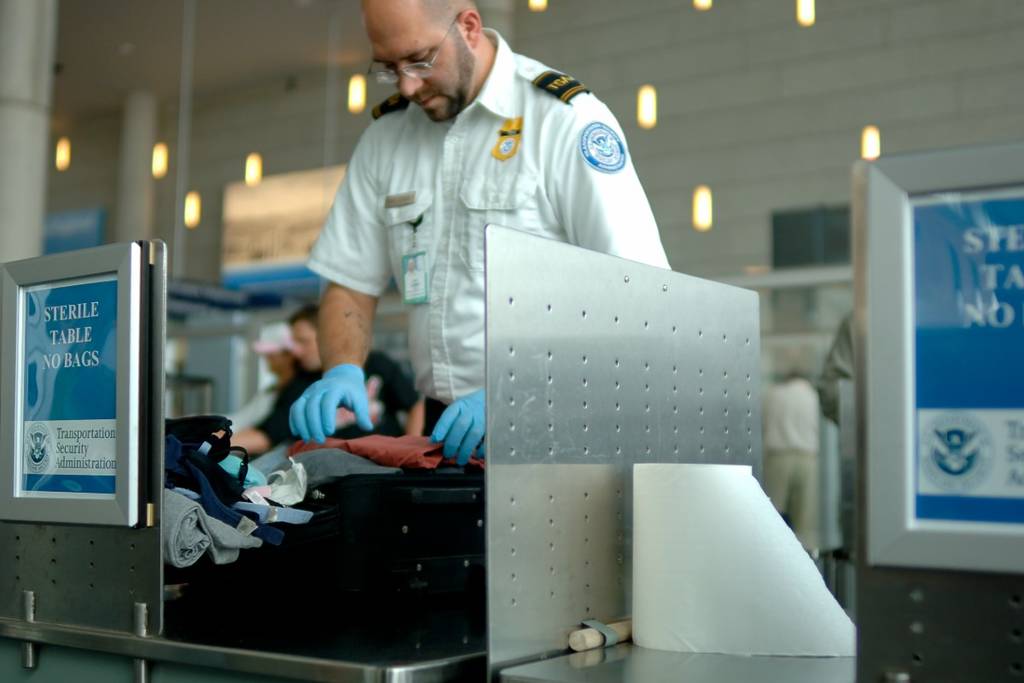
With ever-evolving rules and everyday items newly flagged, traveling in 2025 can be more stressful than anyone would like to admit.
Beyond the official procedures, Transportation Security Officers (TSOs) also have a collection of insider secrets and unwritten practices that most passengers are unaware of—adding another layer of surprises to the airport experience.
1. TSOs use code words to discreetly communicate
Former ORD TSO, Jason Harrington, shared with Mental Floss that there are secret codes used for annoying or attractive passengers. A supervisor even told him that if a particular passenger was being annoying, he could describe them as “very nice” to discreetly signal the need for a prolonged screening.
2. Confiscated or forgotten items get sold
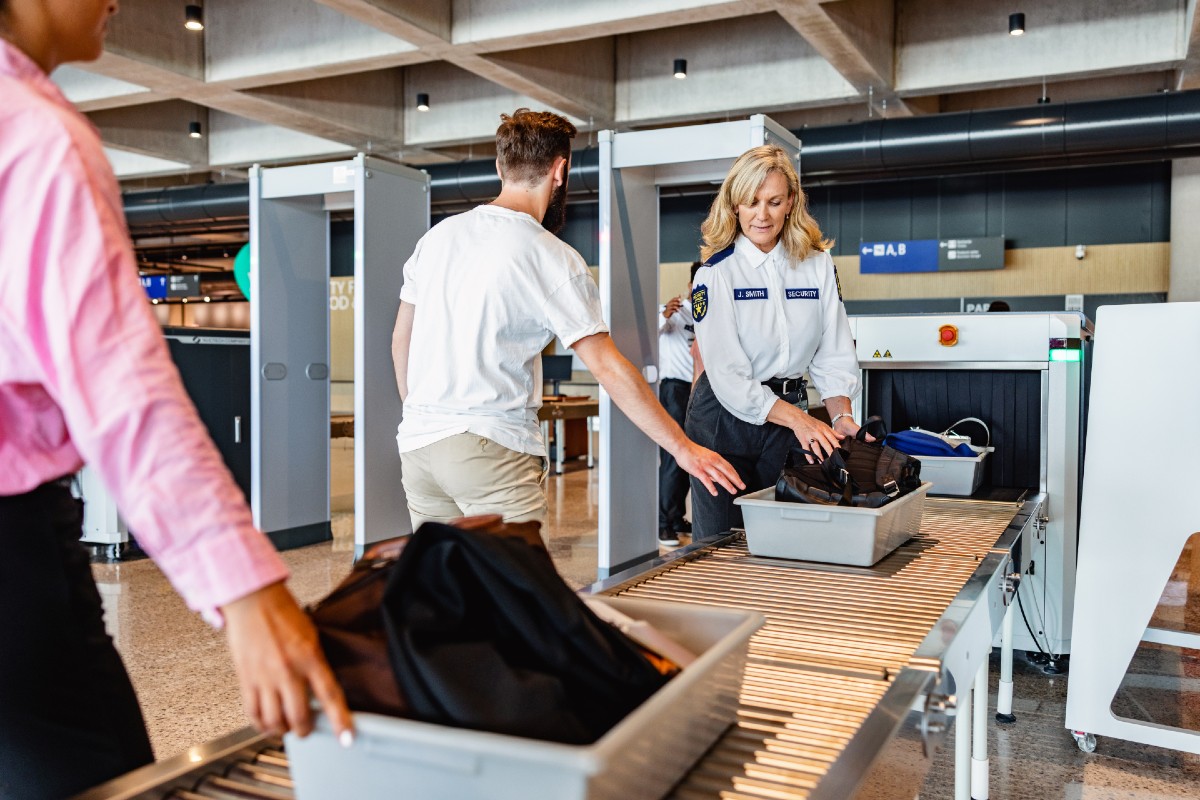
If you’ve ever wondered where your confiscated or lost items go in an attempt to get them back, you might have to purchase them again on a government auction website. Every month, around 90,000-100,000 items are left behind at security checkpoints. If 30 days pass and an item is unclaimed, it can either be destroyed, given to the state as surplus property, or sold by TSA.
Don’t believe us? Peruse GovDeals.com, an online auctioning site for government surplus items, with more than 15,000 sellers and over one million registered buyers.
3. They’re probably gossiping about you

Embarrassed about something that happened during TSA screening? We’re sorry to say you may still be the topic of conversation amongst the TSOs.
In 2019, a collection of gossip was found in a private Facebook group titled “TSA Breakroom” that reportedly had around 18,000 current and former TSA agents. Although the Facebook group chat has since been deactivated after some posts were found to be extremely offensive and harmful, who knows if any new forums have begun for continued gossip.
4. TSOs are already analyzing your behavior before you’re screened
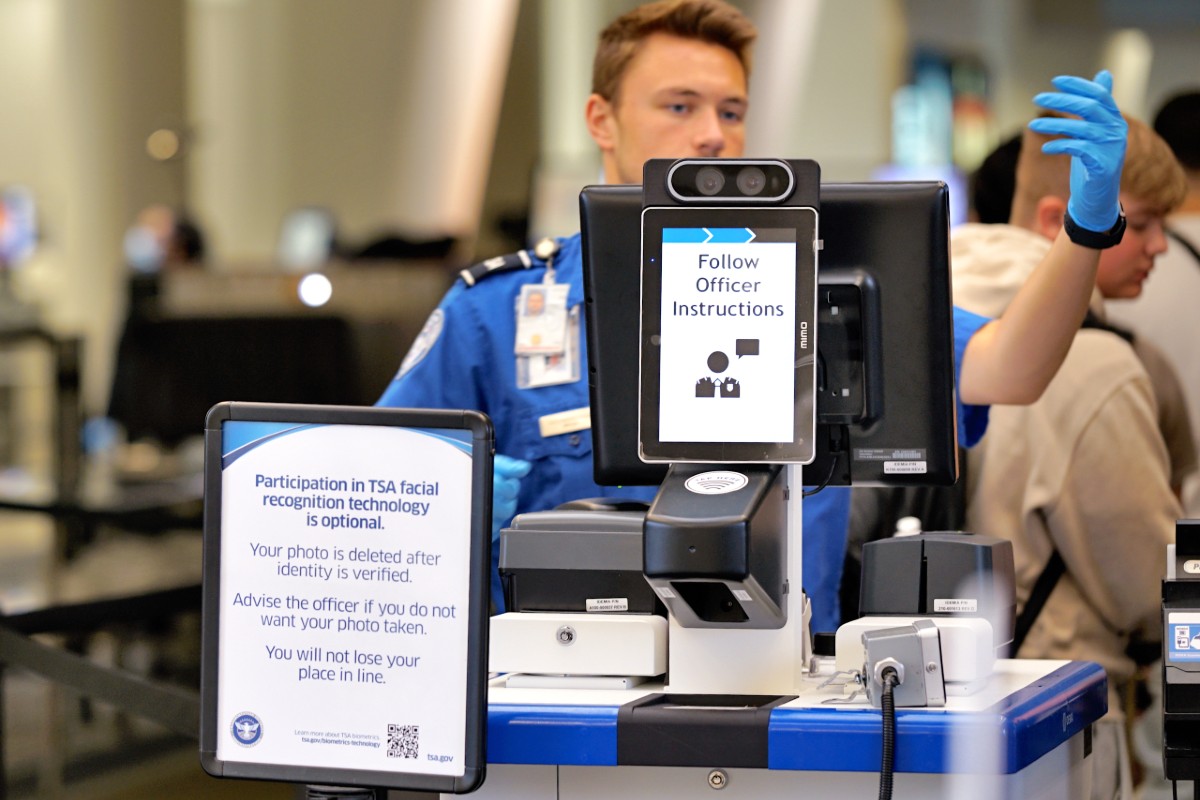
Officers are specifically trained to implement the SPOT method, which stands for screening passengers by observation techniques. As passengers move throughout checkpoints, analyzing passenger behavior and cues allows TSOs to add another layer of security to the screening process. These common behaviors include:
- Appearing distracted
- Avoiding eye contact
- Fidgeting
- Carrying excessive cash
- Being extra chatty
5. Checked bags can be searched without you knowing
Checked luggage is routinely screened with automated technology and if something suspicious is detected, TSA agents are permitted to inspect what’s within the bag. Although most of these searches are conducted without the passenger present, TSOs must leave a Notice of Baggage Inspection slip inside to alert travelers that their bag has been searched.