
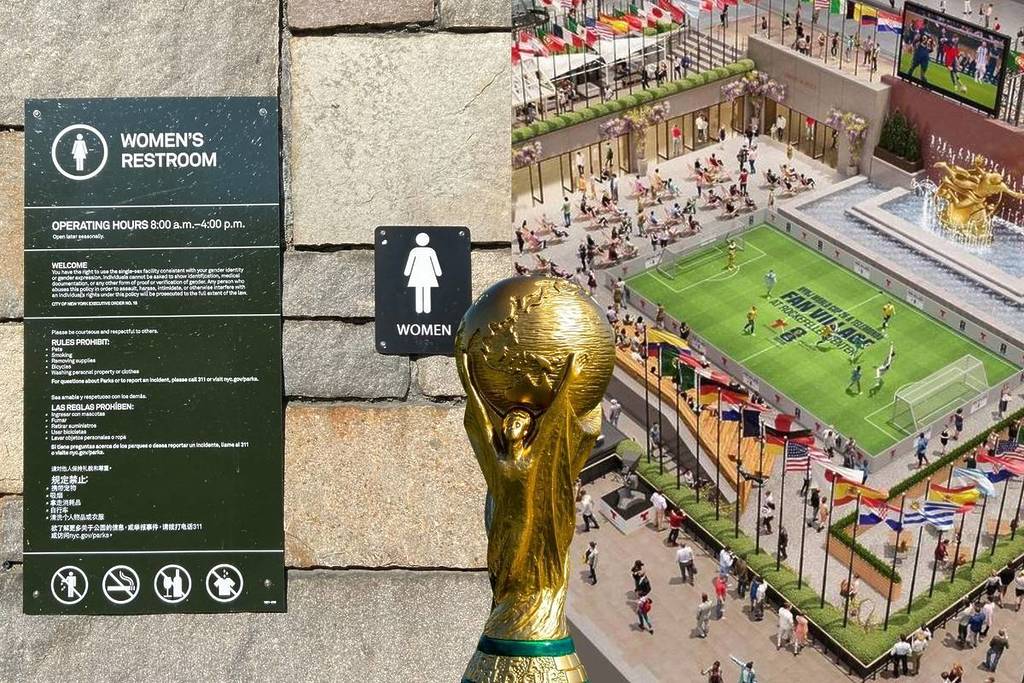

Summer is on its way, NYC, and that means the 2026 FIFA world cup is hot on our heels!
Well, maybe not specifically our heels (which will be in the stands).
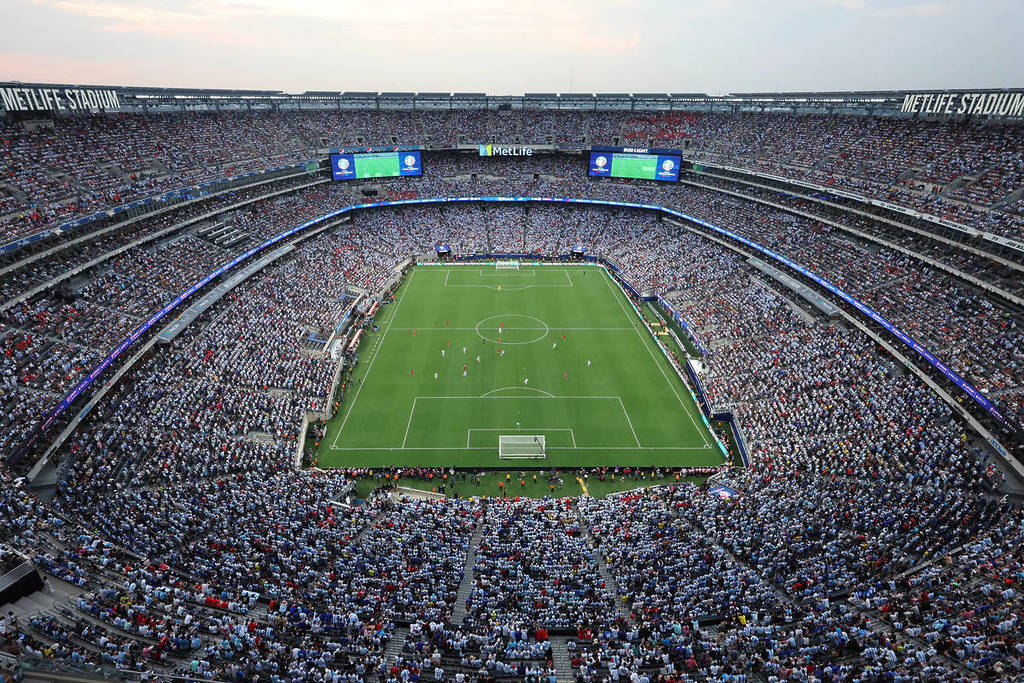
But rather, the heels of the many players headed to MetLife Stadium for eight matches including the final, taking place just across the Hudson from our favorite city.
With the games headed our way, the city has been making its fair share of changes to manage crowd flow, transit, and fan engagement.
While some updates have sparked debate (like the significant price hikes on NJ Transit) the New York City Council’s latest move is focused on ensuring the city’s infrastructure and local economy are ready for the spotlight.
Yesterday, the Council introduced a package of legislation designed to make the World Cup experience smoother for residents and visitors alike.
Here’s what to know about the changes headed to our favorite city before kickoff, during what’s sure to be an iconic summer. ⚽
Public Bathroom Expansion
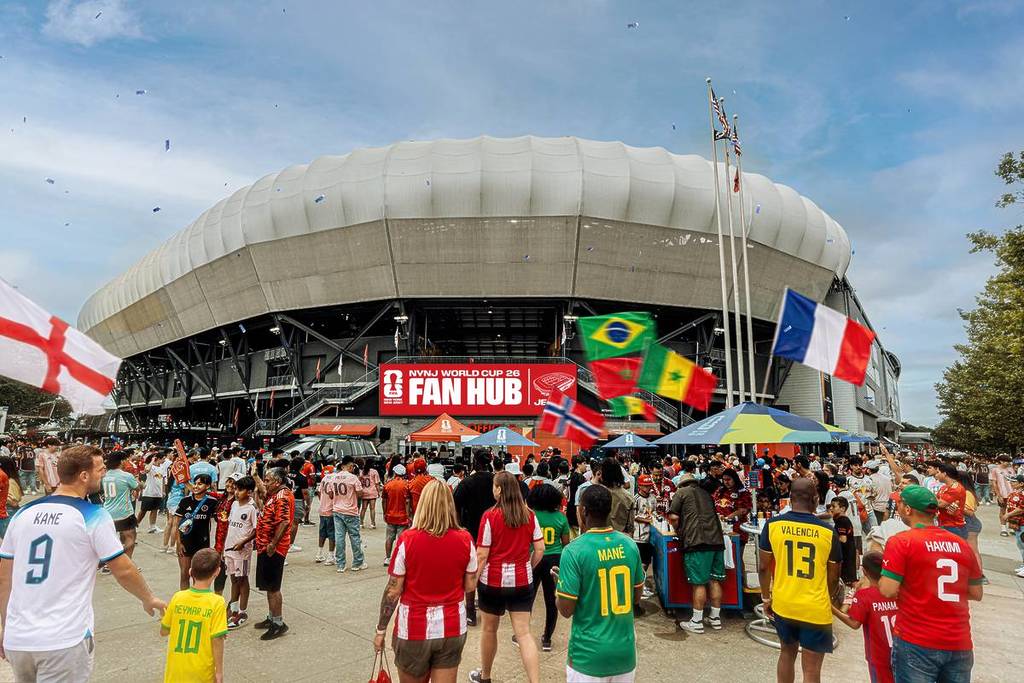
One of the most practical (and much-needed) parts of the legislative package addresses a common New Yorker grievance: the lack of public facilities. Majority Leader Shaun Abreu’s bill requires the city to develop a comprehensive plan to expand bathroom access. This includes:
- Installing temporary public bathrooms in high-traffic areas.
- Increasing the frequency of maintenance for existing facilities.
- Publishing a digital list of available public bathrooms to help crowds navigate the city comfortably during viewing parties and festivals.
Small Business Boost
Beyond being a thrilling sports event, the world cup is also a massive economic engine.
The tournament is expected to generate $3.3 billion in total economic impact for the NY/NJ region, including $1.7 billion in visitor spending.
To ensure this wealth reaches our city’s local shops, the Council is requiring the Department of Small Business Services (SBS) to create a cultural “map” of neighborhoods.
This map will highlight local business corridors that share cultural ties with participating nations, helping fans find “home base” restaurants and shops while driving traffic to mom-and-pop stores in all five boroughs.
Cultural Impacts and Icon Honors
To weave the spirit of the “beautiful game” into the fabric of the city, the Council is introducing a Cultural Passport Program.
Led by Deputy Speaker Nantasha Williams, this program will encourage tourists to explore cultural institutions and landmarks across the city, ensuring the “World Cup boost” extends beyond Manhattan.
Additionally, the city is set to honor soccer legends through several street co-namings. Manhattan will welcome “Thierry Henry Way” alongside Rockefeller Center (the site of major viewing parties), and Queens will establish “Pelé Way” to honor the Brazilian icon who once starred for the New York Cosmos.
What Else To Know About The 2026 FIFA World Cup
The 2026 tournament will be the largest in history, expanding to 48 national teams and 104 matches across North America. For New Yorkers, the stakes are high:
- Economic Boom: The games are projected to support over 26,000 jobs and generate $432 million in state and local tax revenue.
- Fan Fest Activities: A citywide calendar will be published featuring official viewing parties, street festivals, and cultural performances.
- The Big Stage: While the matches are across the river, NYC will serve as the primary hub for fans, media, and celebrations, culminating in the World Cup Final on July 19, 2026.
As Speaker Julie Menin noted, the goal is to ensure the tournament “delivers for all New Yorkers,” making sure the global spotlight leaves a lasting, positive legacy on the city’s streets and small businesses.