

New York City is gearing up for a soccer-filled summer as the 2026 FIFA World Cup comes to North America, with matches set to be played just across the Hudson River at MetLife Stadium.
While the five boroughs won’t host matches themselves, the city will undoubtedly serve as a global hub for supporters, media, and teams, transforming into a fan capital during the tournament’s June–July run.
With kickoff fast approaching and June feeling closer by the day (okay, maybe that’s just wishful thinking due to the recent temperatures), city officials are already preparing for the influx of supporters, watch parties, Fan Festivals, and energy the games will bring.
Mayor Zohran Mamdani has even appointed a dedicated “World Cup czar,” former campaign manager Maya Handa, as stated in a January 27th, 2026 press release. Handa is set to coordinate logistics, public safety, and citywide operations, essentially managing New York’s off-the-pitch strategy for the month-long spectacle.

These preparations also raise the common question of transportation.
As any seasoned supporter knows, a tournament of this magnitude is about more than what happens in the final third. It’s about infrastructure, mobility, and making sure fans can move seamlessly from borough to borough.
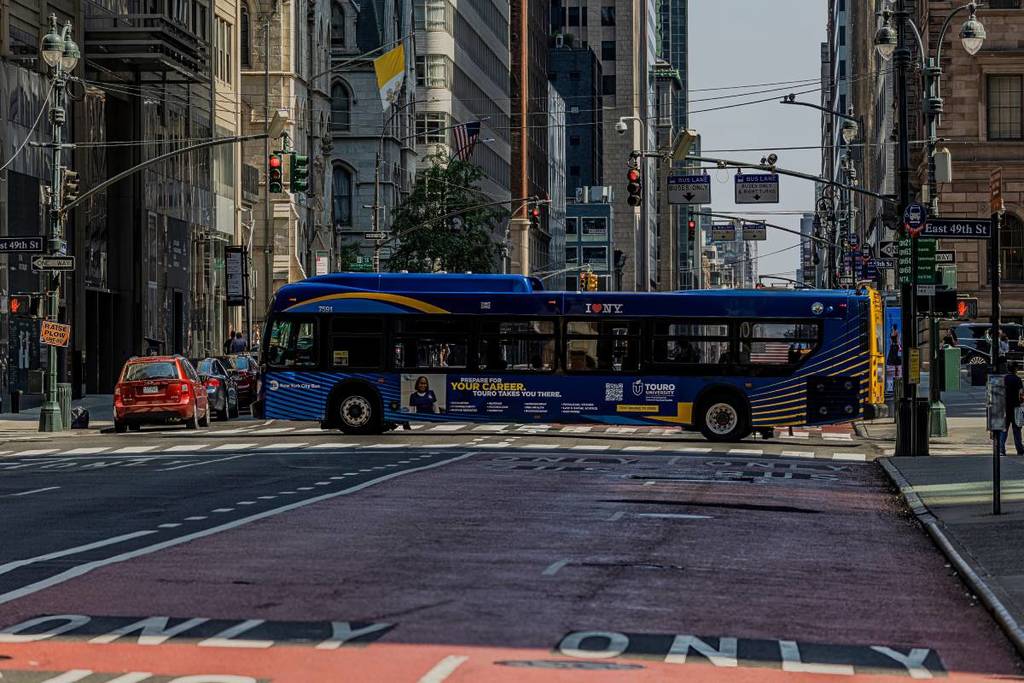
According to a source by New York Daily News, Mayor Mamdani is proposing a five-week, citywide free bus pilot program during the tournament, which would eliminate fares on all MTA-operated local buses across the five boroughs. The estimated cost of the program would be $100 million.
The hope of the plan would be to ease congestion, improve accessibility, and ensure that both New Yorkers and visiting supporters can navigate the city efficiently, whether they’re heading to a supporters’ pub in Astoria, a watch party in Brooklyn, or connecting to NJ Transit for the trip to MetLife Stadium.

The plan does face hurdles. The MTA opposes eliminating fares, noting that bus revenue funds a $21 million annual operating budget. Mamdani is also exploring state support, having discussed including the pilot in the 2026 budget with Governor Kathy Hochul. The push for free buses comes alongside other mayoral priorities, including Hochul’s state funding for universal childcare.
Whatever comes to be for the future of the pilot, the plan highlights a bigger goal: making New York more accessible, connected, and ready for a global spotlight. As the World Cup approaches, all eyes will be on the city—not just for the sport, but for how it moves.