
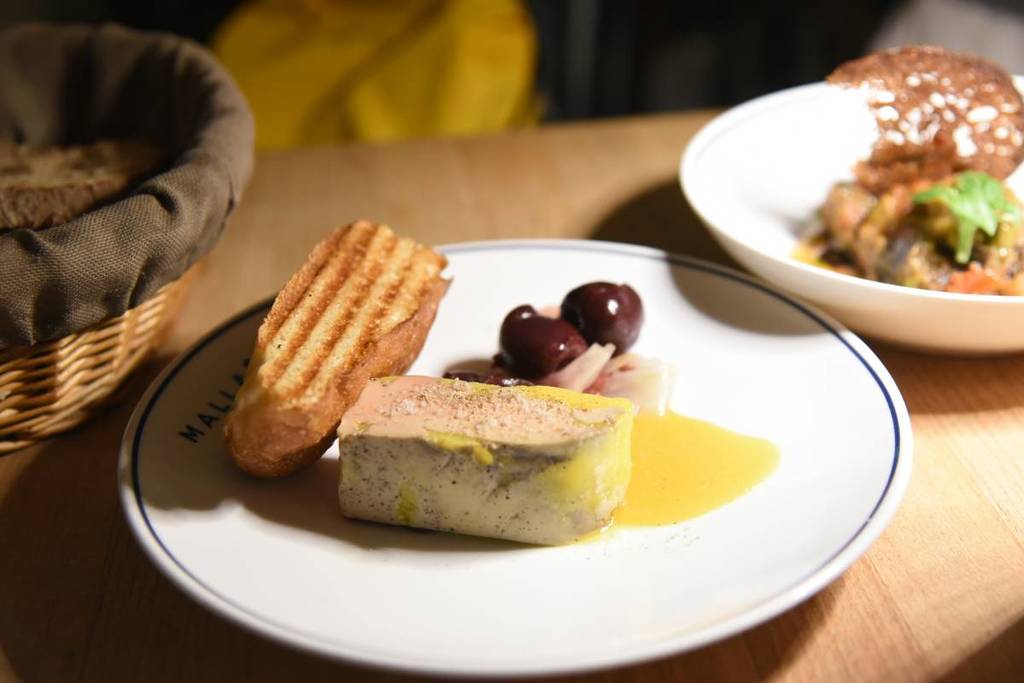

The seven-year legal battle over one of the world’s most polarizing foods has reached a boiling point. Following a landmark court ruling on Thursday, March 12, 2026, New York City has officially received the green light to move forward with a total ban on foie gras.
Here is everything you need to know about the ruling, the controversy, and how it impacts your favorite French bistros.
The Ruling: Why the Ban is Back
In 2019, Manhattan Councilwoman Carlina Rivera introduced Local Law 202 (formerly Intro. 1378), a bill aimed at making the sale of foie gras illegal within city limits.
While it passed years ago, the law has been stuck in legal limbo after the State Department of Agriculture argued it infringed on the rights of upstate farmers. However, the New York Supreme Court’s Appellate Division just changed the game.
The court ruled that NYC can proceed with enforcing the ban, even if it causes “economic ripple effects” for upstate producers, including:
- Hudson Valley Foie Gras
- La Belle Farm
Note: These are two of the only major producers in the entire United States.
What is Foie Gras (And Why the Controversy?)
Foie gras, which translates to “fatty liver,” is a French delicacy prized for its rich, buttery texture. It is typically served as a mousse, parfait, or pâté.
The controversy stems from the production process known as gavage:
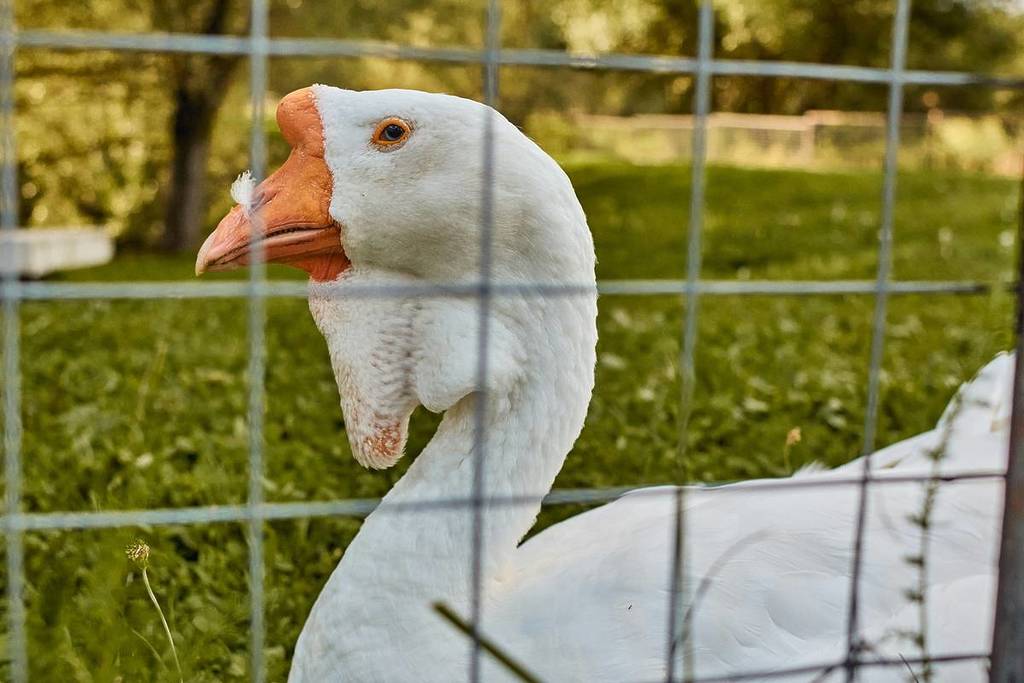
- The Process: ducks or geese are force-fed a high-starch diet via metal tubes inserted into their throats
- The Result: the liver swells to 10 times its normal size (a condition called hepatic lipidosis) before the animal is slaughtered
- The Criticism: animal welfare groups like FOUR PAWS state the process causes esophageal injuries and causes the birds’ legs to snap
By the end of their lives, the animals can hardly move independently because of their corpulent bodies: their thin legs are often unable to support the weight and snap…The brutal manner of force-feeding through metal tubes leads to serious injury of the esophagus, often causing wounds and puncture holes. — FOUR PAWS
What Happens Next?
If the ban is fully enacted, NYC will join the UK, Germany, Italy, and the state of California in outlawing the product.
- The Penalties: once enforcement begins, businesses caught selling foie gras within city limits could face fines ranging from $500 to $2,000 per violation
- The Opposition: local producers and some chefs argue that the cruelty concerns are exaggerated and that the practice is a centuries-old culinary tradition
While the legal battle could still see further appeals, the recent ruling is a massive victory for animal welfare advocates.
The ban won’t make foie gras disappear overnight, but the clock is ticking. For now, it’s still listed on the menus at several well-known NYC restaurants, including:
- La Grande Boucherie (Midtown)
- Le Coucou (SoHo)
- La Sirène (Upper West Side & SoHo)
- Four Twenty Five (Park Ave)