


It is time to say goodbye to our long, sun-drenched evenings.
Daylight Saving Time (DST) officially ends on Sunday, November 1, 2026.
If you have been wondering when the sun will start setting before you even leave the office, this is the date to mark on your calendar.
Here is everything you need to know about the upcoming time change and how it will impact your daily commute.
When exactly do the clocks change?

When local daylight time is about to reach 2:00 a.m. on Sunday, November 1, the clocks will turn backward one hour to 1:00 a.m. local standard time.
Because we “fall back,” we technically gain an extra hour of sleep that weekend.
For most New Yorkers, smartphones and computers will update automatically overnight. However, you will still need to manually adjust your microwave, oven, and car clocks before you start your Sunday.
How this shifts our daily sunlight
Once the clocks turn back, you will notice an immediate difference in the sky.
Sunrise and sunset will happen about one hour earlier on November 1 than the day before. This means you will get more light in the morning for your early commute, but significantly less light in the evening.
The winter darkness will officially settle in before most of us clock out of work for the day.
Is the US getting rid of Daylight Saving Time?
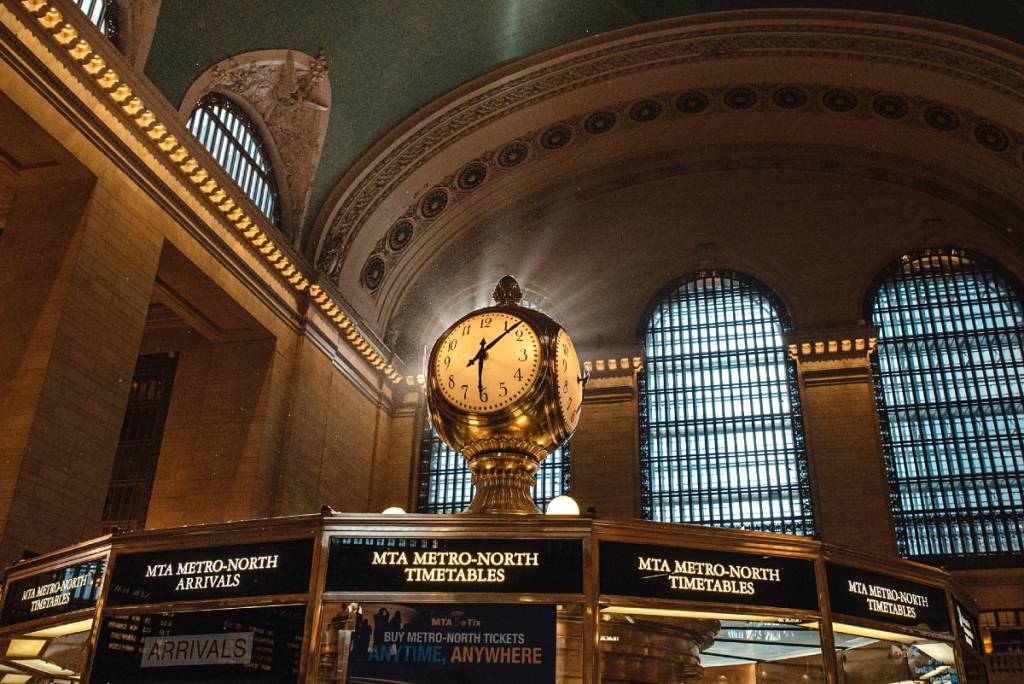
The twice-yearly clock change remains incredibly controversial, but it isn’t going anywhere just yet.
While the US House of Representatives previously passed the Sunshine Protection Act to make DST permanent, the measure has drawn both support and opposition in the Senate.
Lawmakers are still fiercely debating the pros and cons. Some argue permanent DST would push winter sunrises to an absurdly late hour, forcing kids to walk to school in the pitch black.
For now, most of the United States will continue to change its clocks twice a year.
Tips to survive the autumn time shift
Losing our evening sunlight can easily throw off your internal clock. Here is how you can smoothly cope with the sudden change:
- Adjust your sleep gradually. Try going to bed and waking up 10 to 15 minutes later each day leading up to the shift.
- Get some morning light. Step outside early to naturally reset your body clock.
- Limit your caffeine intake. Avoid coffee late in the day to protect your sleep schedule.
- Keep a consistent routine. Stick to your regular meal times and weekend schedule to minimize the overall disruption.