

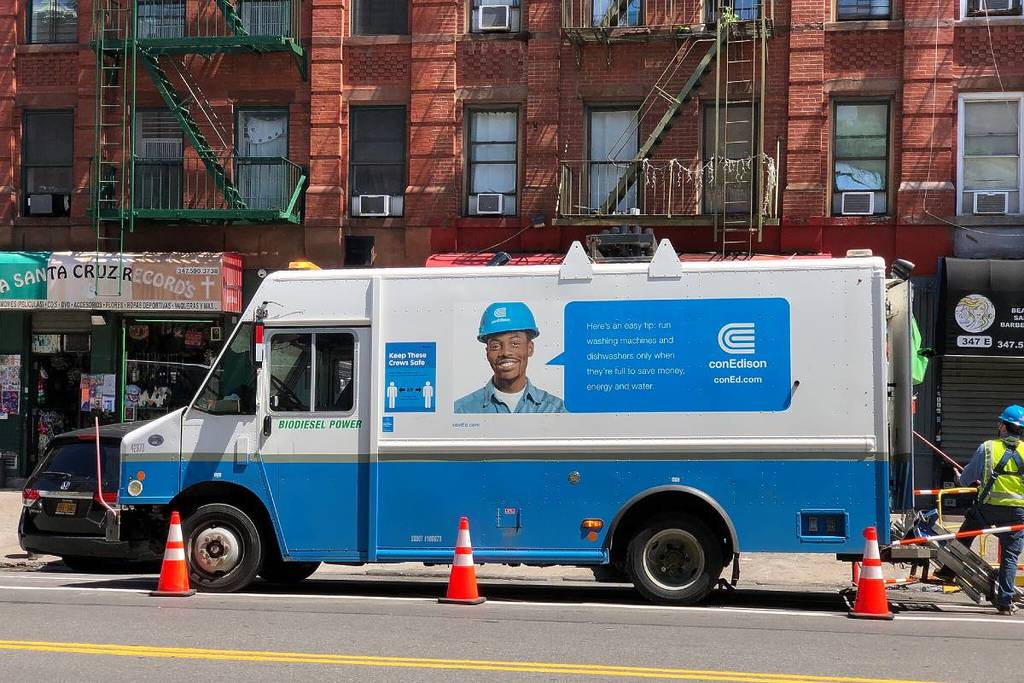
_truck_along_East_138th_Street_in_the_Bronx,_New_York_City,_New_York.jpg)
At a time when New Yorkers are already clinging to survival mode–between record snowfall, sub-zero wind chills, and winter refusing to loosen its grip–there’s another chill in the air: higher Con Edison bills are officially on the way.
On January 22, 2026, New York State regulators approved a multi-year rate hike for both gas and electric service, meaning millions of New Yorkers should brace for gradually rising utility bills starting now.
🔌 Who’s Affected?
The increase impacts:
- 3.7 million electric customers
- 1.1 million gas customers
…across New York City and Westchester County, according to the New York Public Service Commission (PSC).

💸 How Much More Will You Pay?
The PSC unanimously approved rate increases of:
- 9% for electric
- 6% for gas
These increases will spread out over the next three years. For the average NYC household, The City notes that it breaks down to:
Electric bills
- About $4 more per month in 2026
- $3.55 more in 2027
- $3.58 more in 2028
Gas bills
- $5.73 more per month in 2026
- About $19.32 more per month in 2027
- About $15.08 more in 2028
Translation: while the electric bump is modest, gas customers could see nearly a $20 jump in a single month during peak years (no, this is not a typo–gas bills will rise each year unevenly).
📉 Why This Still Hurts—Even If It’s “Lower Than Expected”
Con Ed initially proposed much steeper increases–over 11% for electric and more than 13% for gas. The final approval is roughly 87% lower than what the utility originally requested, and also smaller than past hikes (like the 12% increase approved in 2023).
Still, the impact will be felt–especially by the 414,000 customers already at least 60 days behind on their bills, who collectively owe more than $870 million.

🧾 Where Is The Extra Money Going?
According to Con Edison and state regulators, the increased rates are driven largely by:
- Rising property taxes
- Infrastructure upgrades to aging wires, pipelines, and substations
- Pension and post-employment benefit costs
- Programs tied to energy efficiency, affordability, and climate resilience
- Expanding use of electric heat pumps
- Replacing dangerous gas leaks
Notably, the hikes do not pay for the electricity or gas itself–Con Ed sells energy at cost. What the company does earn is a regulated return of about 9.4% on investments in its distribution system. PSC Chair Rory M. Christian summed it up this way:
What the order represents is a reaction to the world in which we live in, one that is characterized by increasing costs that are far beyond the cost of energy alone, food, housing and inflation are increasing at a rate far faster than wages.
👀 What Customers Get In Return
Under the newly approved agreement, Con Ed must also:
- Provide itemized bills that clearly break out property tax charges
- Offer customer materials in NYC’s 12 most commonly spoken languages
- Increase outreach to tenants and landlords around non-payment issues
- Improve transparency around how rates are set

🆘 Need Help Paying Your Bill?
If you’re already struggling–or worried you might be soon–Con Ed points customers toward financial assistance programs, including:
- HEAP (Home Energy Assistance Program)
- Energy Affordability Programs (EAP)
- Payment plans and bill relief options
You can explore available programs directly through Con Edison’s financial assistance resources.
⚡ The Bottom Line
While regulators say the increases are necessary to keep New York’s power grid safe, reliable, and climate-ready, there’s no getting around it: utility bills are climbing at a time when many New Yorkers are already stretched thin.
For now, the only thing colder than this winter may be opening your next Con Ed bill. Oh, and to add insult to injury, don’t forget that being these rate hikes were not approved by January 1, they will be applied retroactively. More on this here.