

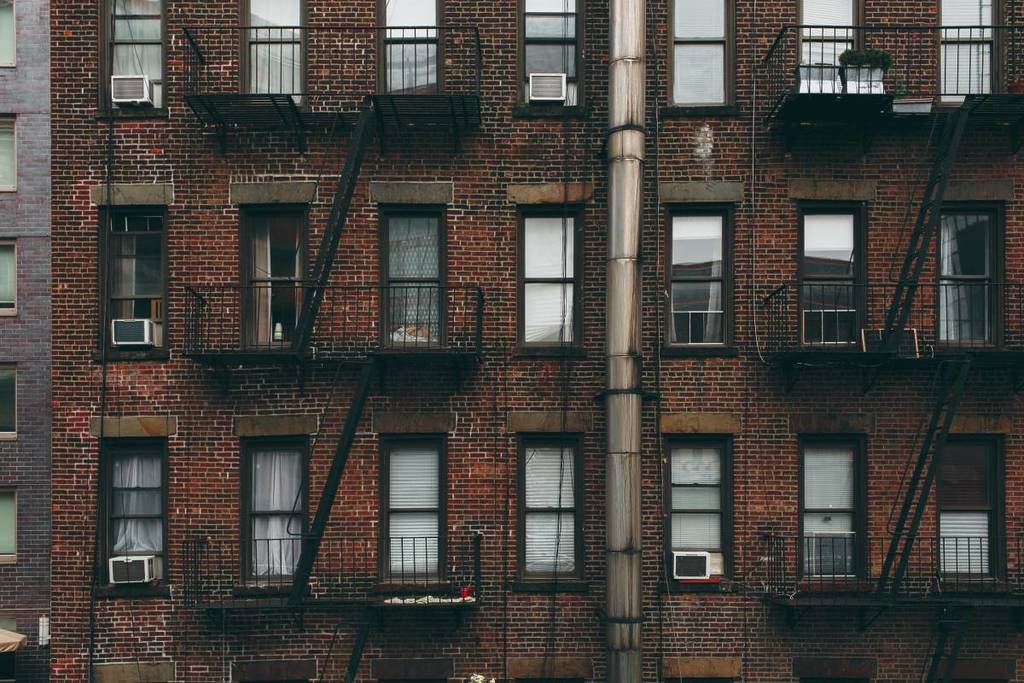
While NYC is currently dealing with 12-inch blizzards and sub-zero wind chills, a landmark new bill just passed that is forcing New Yorkers to think ahead to a very different season: summer. In a major shift for tenant rights, most New York City apartments will soon be required by law to come equipped with air conditioning.
On Saturday, January 17, 2026, the City Council enacted a bill, sponsored by Councilmember Lincoln Restler, that officially classifies cooling as a basic housing necessity, much like heat and running water.
The catch? Renters will still face four more brutally hot NYC summers before the relief fully kicks in.
🏙️ What This Means for New Yorkers
For over a century, NYC landlords have been legally required to provide heat during the winter (a mandate dating back to 1918). This new legislation focuses on the antithesis of that: The Cooling Season.
- The Timeline: while the bill is now law, enforcement won’t officially begin until June 1, 2030
- The Requirement: landlords must provide and maintain cooling systems capable of keeping indoor temperatures at 78°F or lower
- The Window: this mandate applies during the city’s official cooling season, which runs from June 15 through September 15
🛑 Why the Wait Until 2030?
The legislation was first introduced in July 2024, after another summer marked by heat waves and rising heat-related illnesses and deaths. It officially became law after former Mayor Eric Adams neither signed nor vetoed it within the required 30-day window.
Though the four-year delay is intentional. It gives property owners time to upgrade aging electrical grids and apply for state utility subsidies.
However, the clock is ticking. Councilmember Restler emphasized the urgency to Gothamist, stating:
Many people don’t realize, but almost 600 New Yorkers die every single year from extreme heat. And the most common factor among those folks is that they lack access to cooling in the home.

🥵 How Many People Does This Affect?
According to the city’s environment and health data portal, heat-related deaths account for roughly 3% of all deaths during NYC’s warm months. Over the past decade, those numbers have risen as summers grow hotter and the number of days topping 82°F continues to increase.
An estimated 850,000 New Yorkers currently live without air conditioning–the single biggest risk factor for heat-related death.
The burden falls disproportionately on low-income neighborhoods and communities of color, where access to cooling is far less common. City health officials note that most heat-related deaths occur inside homes without air conditioning, underscoring how dangerous indoor heat can become.
🚨 Fines and Enforcement
Once 2030 rolls around, the Department of Housing Preservation and Development (HPD) will handle enforcement. Tenants will be able to report violations via 311, and landlords who fail to provide adequate cooling could face steep penalties:
- Daily Fines: $350 to $1,250 per day
- Quick Fix Incentive: fines may be reduced to $250 if the issue is resolved within 24 hours of the first violation
🧾 Who Pays the Bill?
While landlords are responsible for the unit and installation, the cost of the electricity typically remains with the tenant.
For rent-stabilized apartments, landlords may be allowed to apply for permanent rent increases to cover the cost of the new equipment, though HPD is required to notify tenants of these potential impacts before they opt-in.
🔥 A Hot Debate
Not everyone is on board.
Opponents argue that the mandate will place a financial strain on small property owners and potentially stress the city’s power grid. To address this, the law includes hardship exemptions, allowing owners with proven financial or structural challenges to apply for extensions.
Once fully implemented, New York City will join a growing list of “cool” cities–including Chicago, Phoenix, and Los Angeles–that already have similar laws in place.
In the meantime, while snow boots may still be the footwear of choice, this new law signals a major shift in how the city prepares for a hotter–and more dangerous–future.