
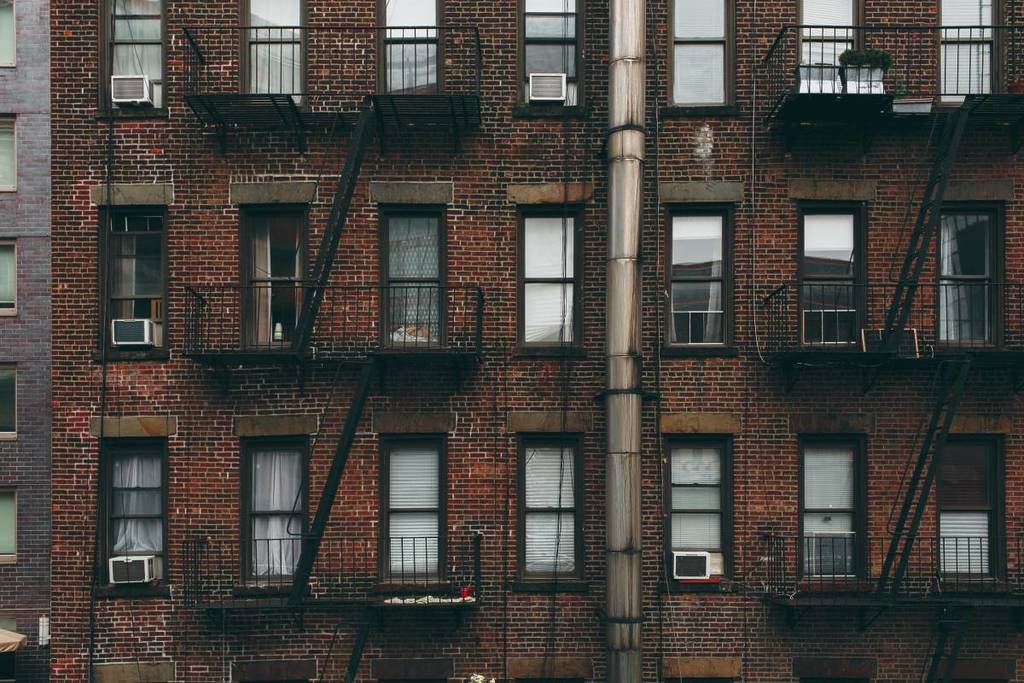

With a summer forecasted to bring a “volatile mix” of historic heat, severe thunderstorms, and seemingly endless 90º days to New York City, residents won’t just feel the impact on sweltering subway platforms–they’ll feel it in their wallets, too.
Electricity prices have been soaring far beyond general inflation levels, and according to the latest National Energy Assistance Directors Association (NEADA) projections, New Yorkers are facing some of the highest summer energy bills in recent history.
A 37% Jump Since 2020
The NEADA recently released its Summer Residential Cooling Outlook, and spoiler alert: it isn’t pretty.
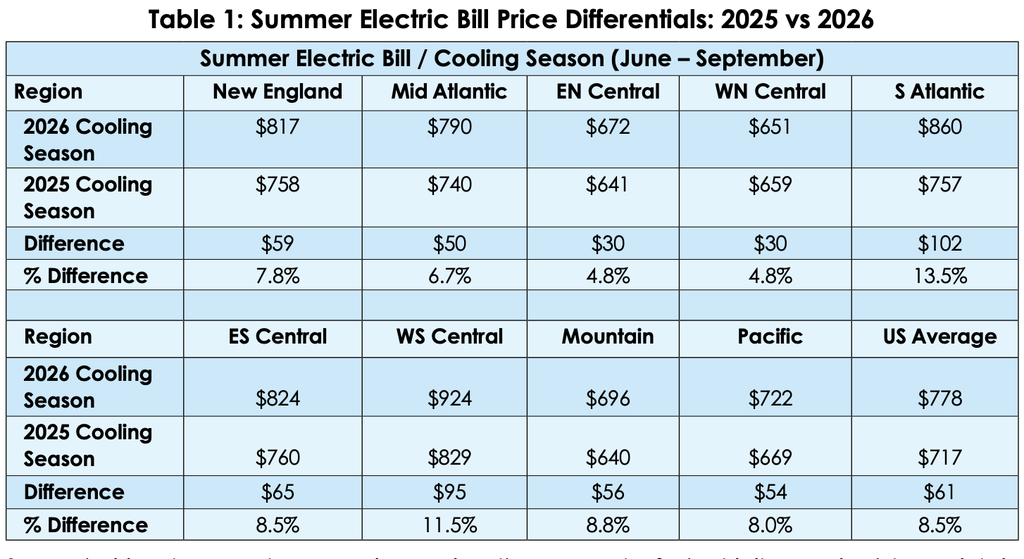
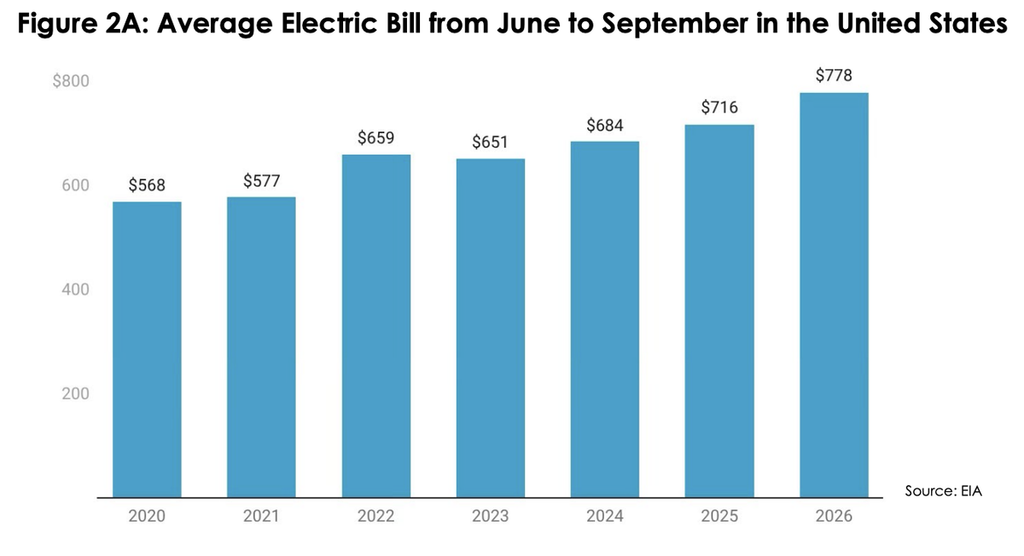
This summer, seasonal electricity bills are projected to reach an average of $778–an 8.5% increase from last year and a staggering 37.2% increase from 2020. These higher costs are driven by two main factors:
- Infrastructure Costs: Upward pressure from grid investments, utility rate adjustments, and increased demand from data centers
- The Heat Factor: Rising temperatures are forcing air conditioners to run longer and harder just to maintain safe indoor conditions
The National Crisis: 1 in 6 Households Behind on Bills
The financial strain isn’t unique to the five boroughs. Currently, total utility debt in the U.S. has reached $25 billion, with one in six households already behind on their payments.
Low-income families are hit the hardest, forced to choose between paying utility bills and covering essentials like food, rent, and medication.
Even more, nearly 20% of those households lack air conditioning, leaving them especially vulnerable during prolonged heat waves, which are becoming more frequent and intense. Mark Wolfe, Executive Director of NEADA, stated:
Families are squeezed from both directions. They are paying more for electricity, and they need more of it to stay safe during increasingly hot summers.
What this means for New Yorkers
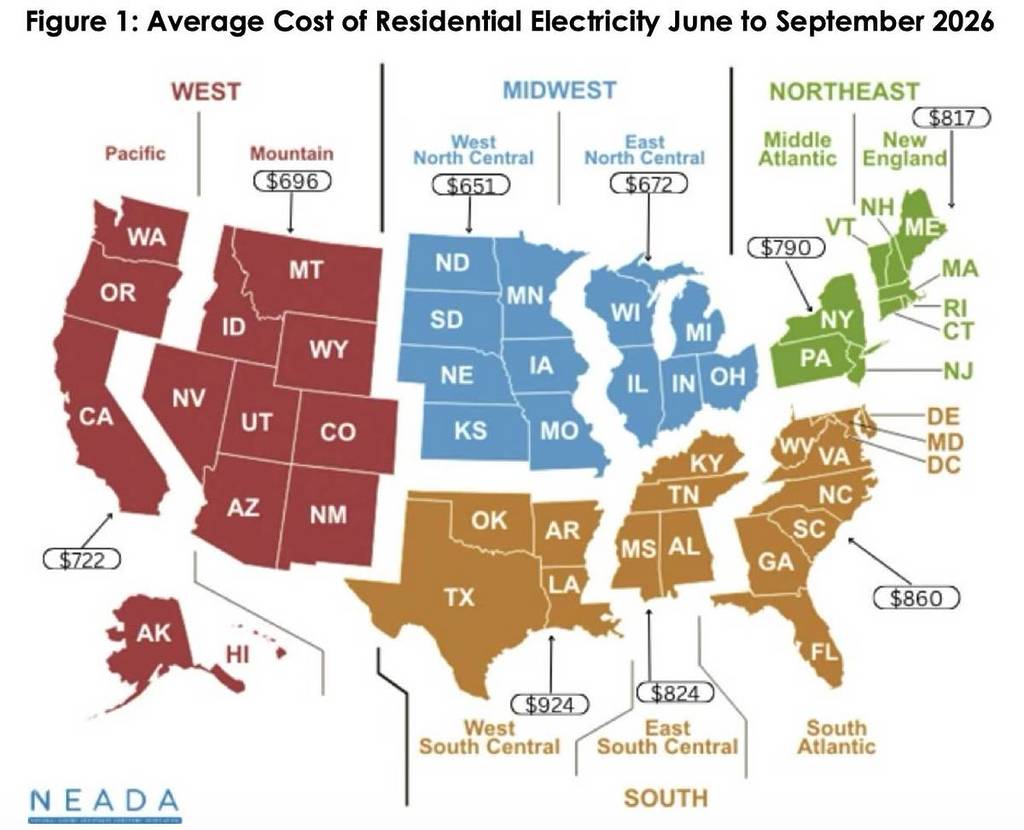
Though electricity bills are projected to reach an average of $778 in the U.S. this summer, that number is even higher in New York.
According to the data, the average cost of residential electricity June to September 2026 will reach $790–not the highest cost compared to other regions, but alarming for residents nonetheless; particularly when rent recently just hit an all-time high.
An extra $60–$100 in seasonal energy costs can be the difference between making rent and facing eviction.
How To Get Help: The HEAP Cooling Benefit
If you’re struggling to keep up with rising costs, New York’s Home Energy Assistance Program (HEAP) can help.
What’s available?
- Cooling Assistance: Eligible households can receive one benefit per year for the purchase and installation of an air conditioner or a fan
- Emergency HEAP: If you’re in danger of having your utility service shut off, you may be eligible for emergency financial aid
- Essential Plan Cooling: New for 2026, those on the Essential Plan with qualifying health conditions (like asthma or heart disease) may qualify for a free AC unit and installation
NEADA is calling on Congress to increase funding for program to $7 billion in FY2027, up from the current $4.1 billion.
How to Apply for HEAP in NYC:
- Online: Use the ACCESS HRA website or mobile app
- In Person: Visit a local HEAP District Contact or HRA Benefits Access Center
- By Mail: NYC residents can mail applications to:
- HRA/HEAP PO Box 1401, Church Street Station New York, NY 10008
Quick Tips to Lower Your Bill This Summer
While waiting for assistance, these small shifts can help mitigate the price hike:
- The 78° Rule: Con Edison recommends setting your AC to 78º when you’re home for the best balance of comfort and savings
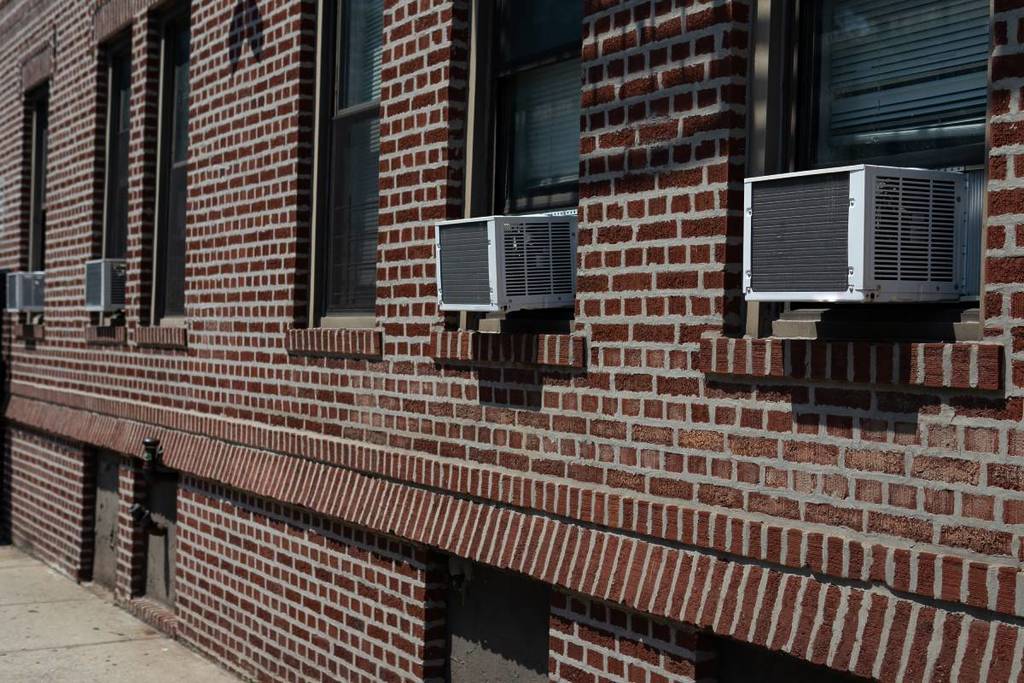
- Seal the Leaks: Use weatherstripping on window AC units to prevent cold air from escaping
- Use Fans: A ceiling fan allows you to raise the thermostat by about 4º without losing comfort
Thankfully, a newly enacted city law will soon require landlords to provide air conditioning in most NYC apartments, reshaping renters’ rights as summers grow hotter.