
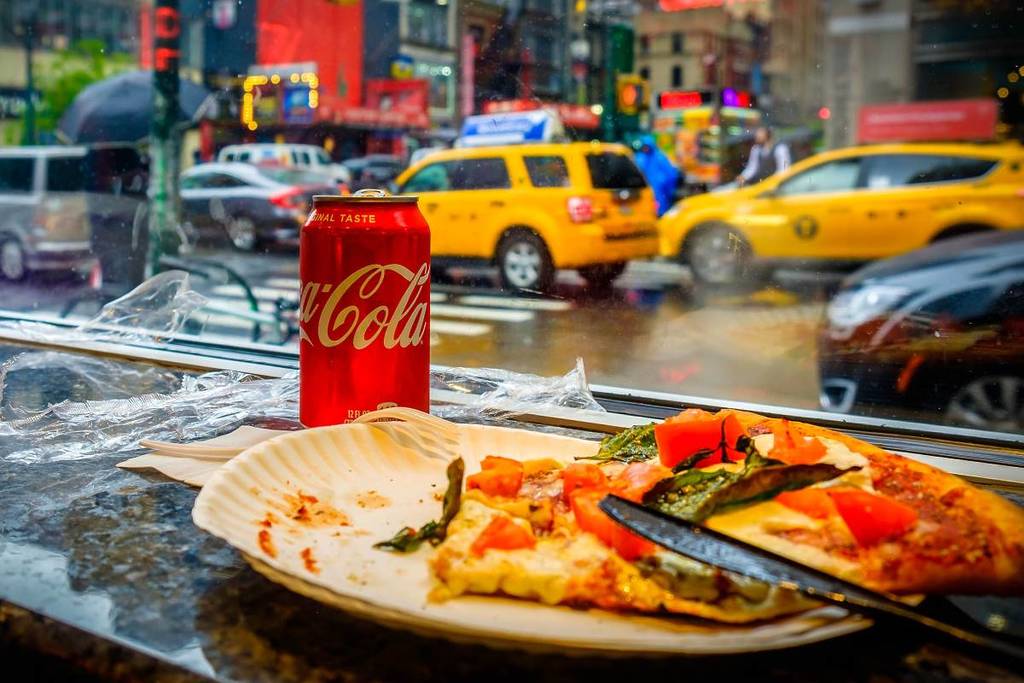

Many New Yorkers—and plenty of visitors—will tell you that the true heart and soul of the city lives in its pizza slices and bagel runs.
From grabbing a late-night slice on a corner you swear tastes better at 2 am, to standing in line for a perfectly chewy bagel that somehow ruins all other bagels forever, eating flour-based perfection in New York is it’s own tradition.
But behind all that golden, blistered crust and glossy bakery windows, there’s a quieter ingredient conversation happening in Albany that could change the way those iconic bites are made.
A newly introduced state bill—the Food Safety and Chemical Disclosure Act (A1556/S1239)—would require clearer labeling of certain food additives and move to ban potassium bromate, a flour additive long used in some commercial baking.

What to Know: The Bromate Breakdown
Potassium bromate is an oxidizing agent that strengthens dough, improves elasticity, and yields a higher rise and a whiter finished product. While it makes baking faster and more consistent, it has been a point of contention for decades. The additives have been banned in multiple other states including California.
- The Health Risks: Studies have linked potassium bromate to cancer (specifically kidney and thyroid tumors) in laboratory animals. It is also associated with kidney damage and hearing loss upon chronic exposure.
- Global Context: While the FDA currently allows it in the U.S. (with a recommended limit of 75 parts per million), it has been banned in the European Union, Canada, China, Brazil, and the UK (since 1990).
What This Means for New Yorkers
If you’re a fan of the local bakery or the corner pizzeria, you might notice some subtle shifts over the next few years.
- For the Foodie: You might see slightly different textures. Unbromated flour often requires a longer fermentation time to achieve the same “stretch” and “spring” as bromated dough. Many high-end pizzerias already use imported Italian flour (like “00”) or domestic unbromated flour for a cleaner, more traditional taste.
- For the Health-Conscious: Transparency is the big win here. The law will create a public database of food chemicals, meaning you won’t have to “guess” what’s in your morning bagel.
Is the Ban Currently Affecting New York City?
The short answer is no, not right now.
While the law has officially cleared the State Senate and Assembly as of April 21, 2026, it is currently awaiting approval from Governor Kathy Hochul.
- Current Status (May 2026): Potassium bromate is still legal. You won’t see any immediate changes to your local pizza or bagels today.
- The “Start” Date: Once the Governor signs the bill, a one-year countdown begins. Only after that year passes will it be illegal for companies to manufacture or distribute new food with the additive in New York.
- The Transition Period: Because the state doesn’t want to force businesses to throw away perfectly edible food, stores and bakeries have a three-year grace period to sell through their existing stock.
- The NYC Impact: You likely won’t notice a major shift in NYC’s food scene until 2027 or 2028. However, many larger flour mills and national brands may start switching their recipes earlier to comply with the new New York and California standards, so the change might happen behind the scenes before the deadline even hits.
Once the law is fully enacted, New York will join California in leading the charge toward stricter state-level food safety standards, potentially forcing a national shift in how flour is produced and sold.