
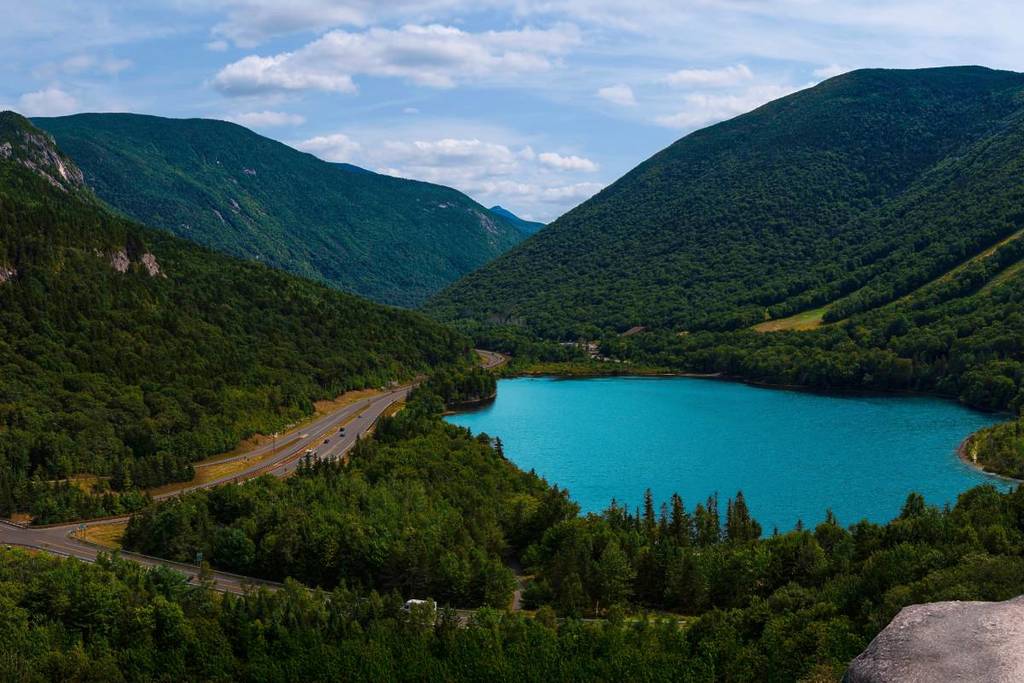

Forget peak fall foliage season.
According to a newly published feature from National Geographic, spring may actually be the best time to experience New Hampshire’s legendary White Mountains–when waterfalls roar with snowmelt, alpine wildflowers burst into bloom, and normally packed hiking trails sit surprisingly empty.
And yes, this is the same mountain region home to the tallest peak in the Northeast.
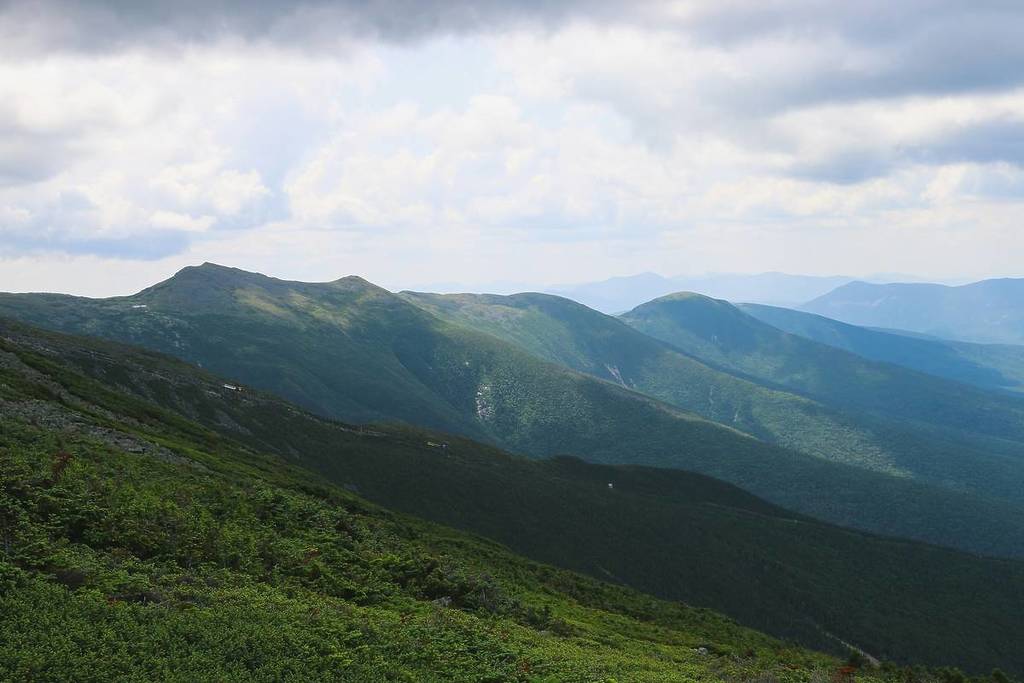
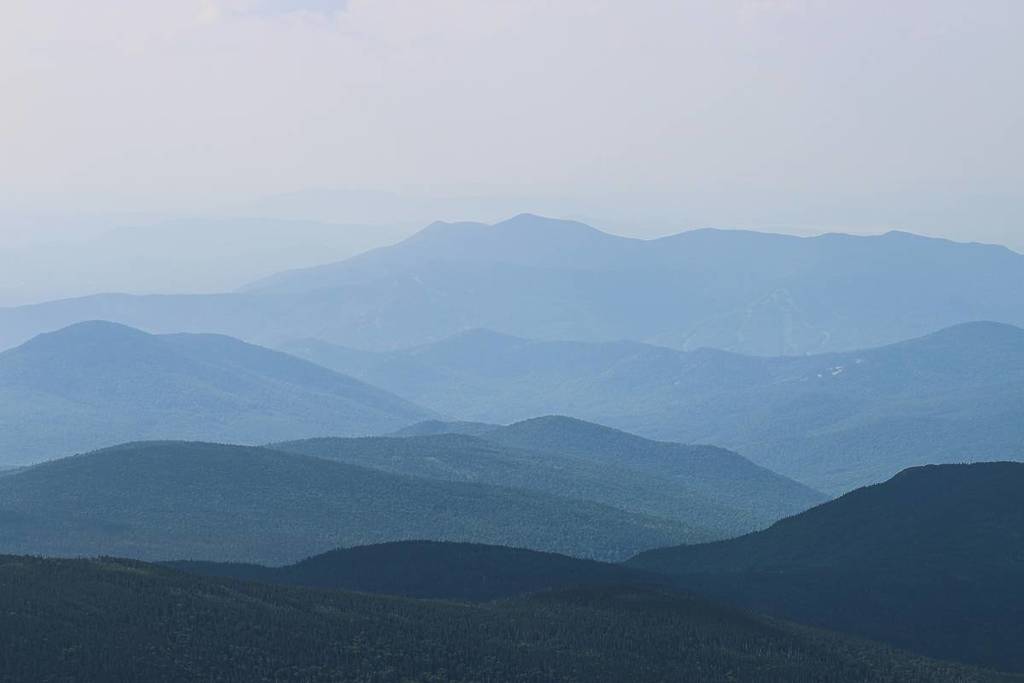
Stretching across more than 800,000 acres of rugged wilderness, the White Mountains feel almost prehistoric in scale. Massive glaciers carved the landscape thousands of years ago, creating dramatic ravines, deep notches, rocky gorges, and sweeping mountain valleys that still define the region today.
At the center of it all is Mount Washington, the 6,288-foot summit known for having some of the most extreme weather on Earth.
But while most travelers flock to the White Mountains in autumn for leaf-peeping season, spring quietly transforms the region into one of the Northeast’s most underrated outdoor escapes.
Why spring is secretly the best time to visit the White Mountains
Instead of bumper-to-bumper foliage traffic and overcrowded overlooks, spring offers something increasingly rare in the Northeast: space.
National Geographic reports that spring visitors can often pull up to scenic overlooks and hiking trailheads without fighting crowds–something nearly impossible during peak fall weekends.
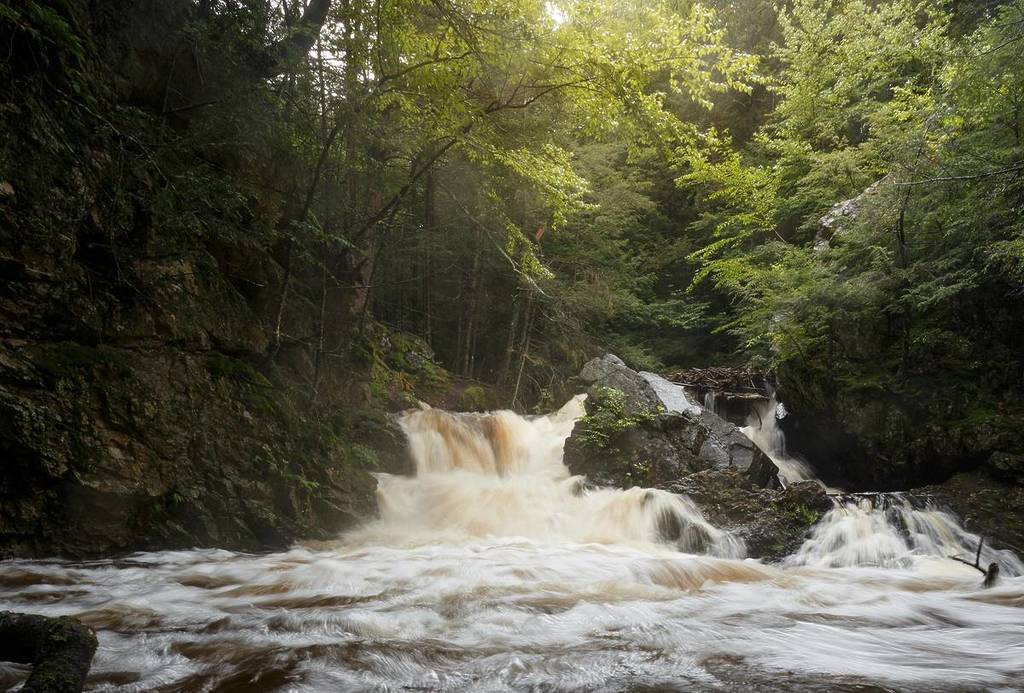
And thanks to melting mountain snow, waterfalls across the region become especially dramatic this time of year. Some of the most beautiful include:
- Sabbaday Falls
- Diana’s Baths
- Glen Ellis Falls
- Jackson Falls
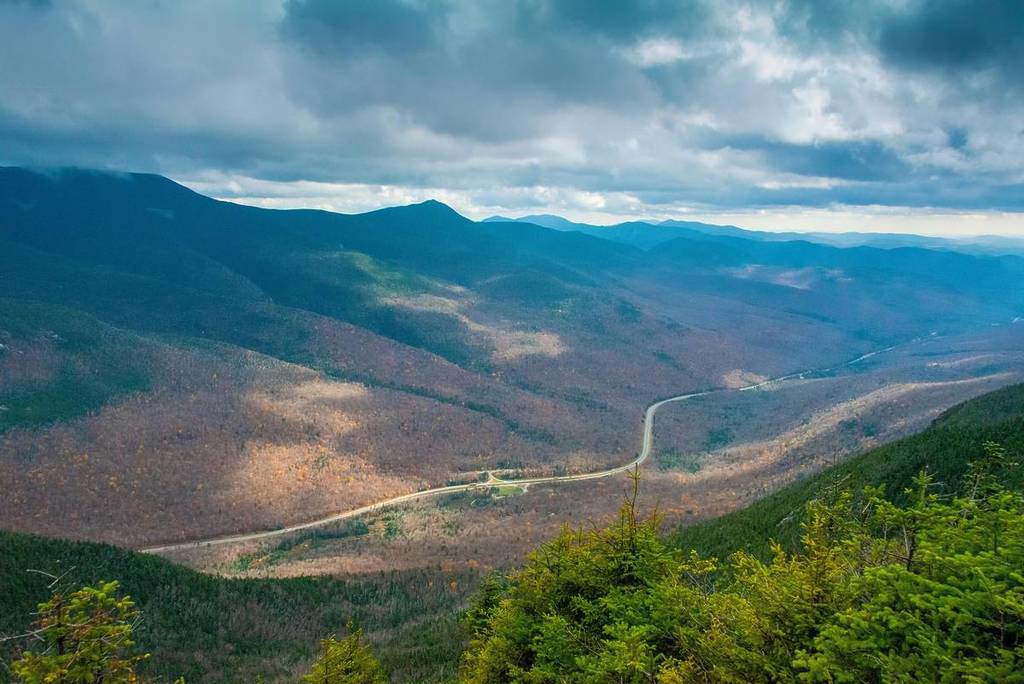
Many are accessible through short scenic walks off the famous Kancamagus Highway–a 34.5-mile National Scenic Byway often ranked among America’s most beautiful drives.
One of America’s most scenic mountain roads
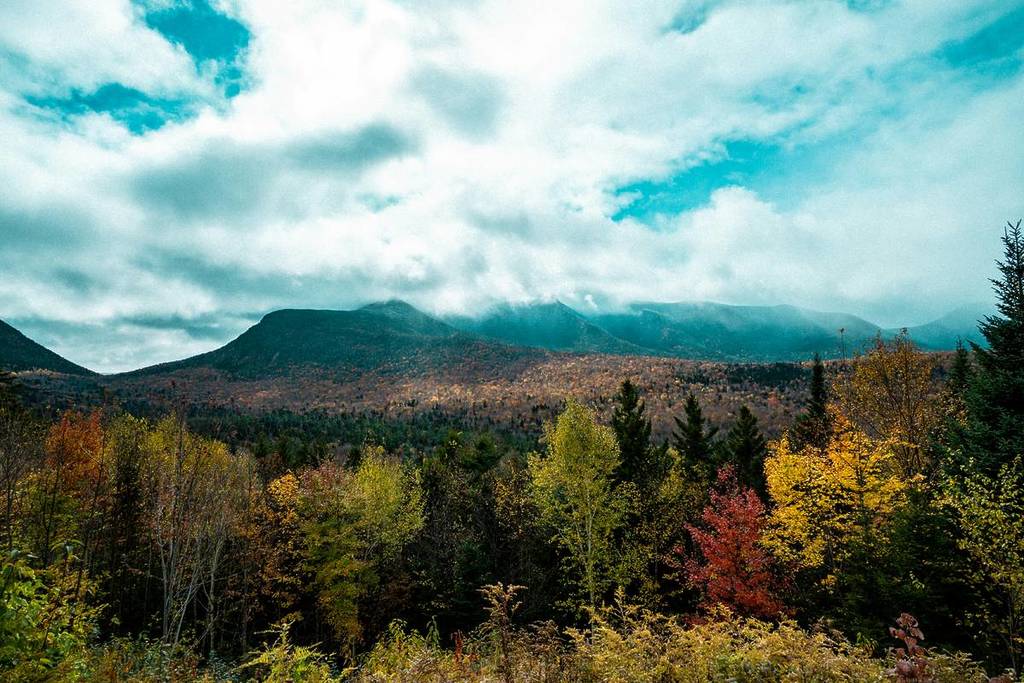
Driving the Kancamagus Highway in spring means trading foliage traffic for rushing rivers, misty mountain overlooks, and forests turning green again.
Locals even have a name for the season: “second foliage.”
By late spring and early summer, valleys throughout the region begin exploding with fresh green leaves, blooming lupines, and rare alpine flowers.
Fields in towns like Franconia, Sugar Hill, and Bethlehem become filled with purple, pink, and white blossoms, while the higher elevations of the Presidential Range bloom with arctic plants rarely found anywhere else in the Northeast.
The scenery feels straight out of a fantasy movie–all without the shoulder-to-shoulder crowds.
Hiking trails without the fall chaos
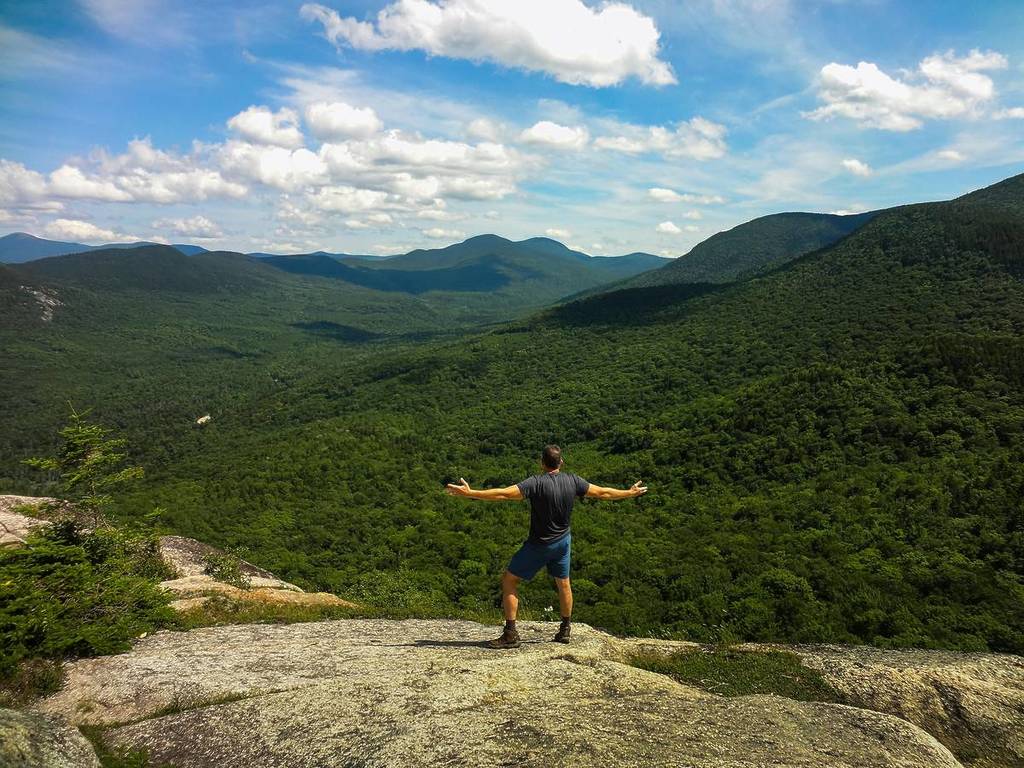
The White Mountains are home to more than 1,200 miles of hiking trails, including parts of the legendary Appalachian Trail.
And spring may be the only time you can experience some of the region’s most famous hikes peacefully.
Popular trails like Artist Bluff–which often see lines of hikers during fall foliage season–become far quieter this time of year.
Meanwhile, adventurous hikers can head toward the glacier-carved Tuckerman Ravine, a dramatic alpine cirque often called the “birthplace of extreme skiing in the U.S.”
The region is also home to the Crawford Path, the oldest continuously maintained hiking trail in America, originally established in 1819.
The world’s first mountain-climbing cog railway is here, too
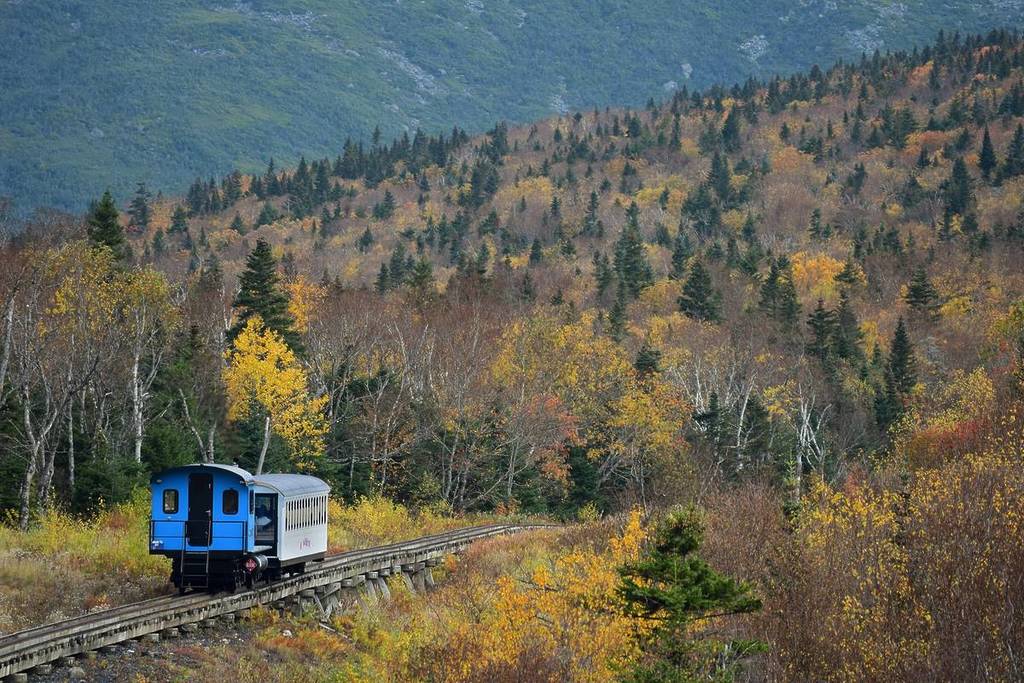
One of the coolest experiences in the White Mountains is riding the historic Mount Washington Cog Railway–the world’s first mountain-climbing cog railway.
Dating back to 1869, the train slowly climbs the slopes of Mount Washington with jaw-dropping panoramic views across New England and into Canada on clear days.
You can also drive the legendary Mount Washington Auto Road, considered America’s oldest man-made tourist attraction.
What New Yorkers should know before visiting
Despite the peaceful scenery, the White Mountains are known for rapidly changing weather conditions.
Even spring hikes can bring mud, chilly temperatures, fog, and sudden wind shifts–especially at higher elevations. Experts recommend packing:
- Waterproof layers
- Hiking boots
- Extra water
- Warm clothing
- A flashlight or headlamp
Visitors should also know that cell service can disappear entirely in parts of the mountains, especially along the Kancamagus Highway.
How far are the White Mountains from NYC?
Depending on where you’re heading, the White Mountains are roughly a 5-to-6-hour drive from NYC, making them ideal for a long weekend road trip.
Many visitors stay in mountain towns like:
- North Conway
- Lincoln
- Jackson
- Franconia
The area is filled with historic inns, breweries, scenic campgrounds, glamping retreats, and cozy mountain lodges tucked between the peaks.
And during spring’s shoulder season, accommodations are often significantly cheaper than they are in the fall.
Why this trip feels especially worth it right now
For New Yorkers used to packed parks, crowded beaches, and shoulder-to-shoulder hiking trails, the White Mountains offer something increasingly difficult to find in the Northeast: genuine quiet.
You still get dramatic mountain scenery, roaring waterfalls, scenic drives, and world-class hiking–just without the chaos of peak foliage season.
And according to National Geographic, that may be exactly why spring is the perfect time to go.