
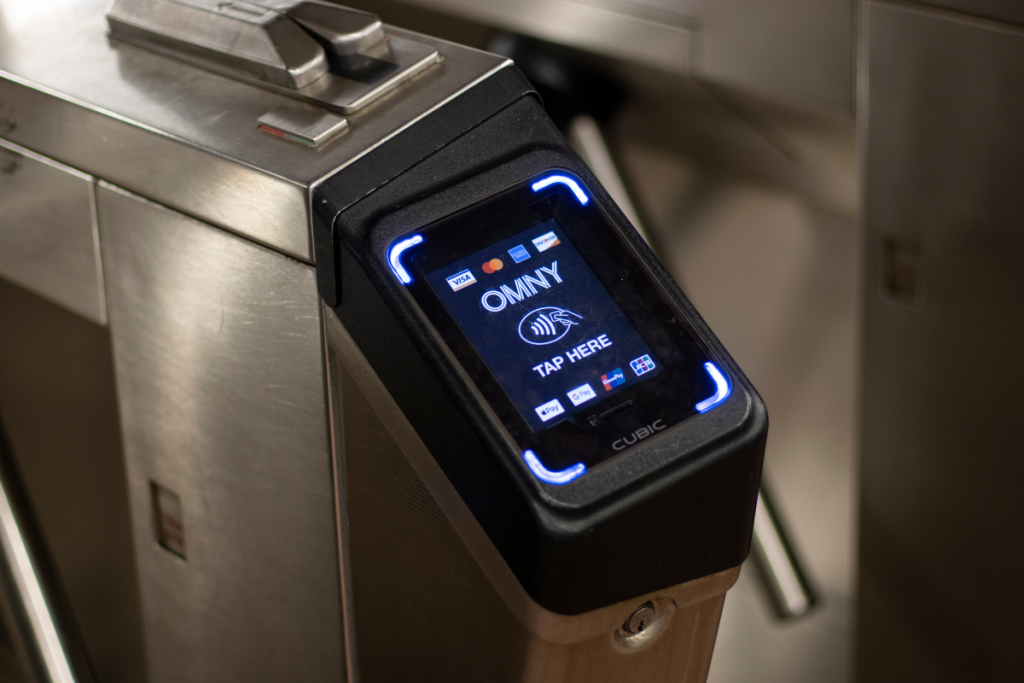

For years, NYC subway riders have been asking for one major upgrade to OMNY: a monthly fare cap. Now, for the first time since rolling out the tap-to-pay system, the MTA says broader payment structures are finally on the table.
Speaking at a Citizens Budget Commission (CBC) breakfast on September 22, 2026 MTA Chair and CEO Janno Lieber revealed the agency is working with its board to study new, “equity-oriented” fare approaches. This marks a significant shift in the agency’s payment strategy, which currently maxes out at a seven-day rolling fare cap.
While officials study future fare structures, the MTA is actively addressing immediate frustrations with the current system. Ahead of a new public information campaign that will run on digital displays across the transit network, here’s how the system currently works—and what could change next.
Don’t miss out: How to unlock the current weekly cap
Currently, the MTA’s fare-capping system is straightforward but rigid: after paying for 12 rides—totaling $35 at the current base fare—any subsequent bus or subway rides within a seven-day period are free.
For example: If your first ride is Monday morning, you’ll pay for your first 12 rides. Once you hit ride number 12, every bus or subway ride you take through Sunday is free.
However, many riders miss out on the cap due to a common tapping mistake. To ensure your rides are counted, you must follow these rules:
- Never switch devices: Consistency is mandatory. If you tap your physical credit card on Monday, do not use Apple Pay on your phone on Tuesday. This splits your ride count and breaks the cap from triggering. You must use the exact same payment medium for every single tap
- Track your progress online: Currently, turnstile screens do not display fare cap progress upon tapping due to software struggles with OMNY developer Cubic Transportation. To monitor your ride count and check balances, riders must create an account at OMNY.info
For a daily commuter taking two trips a day, hitting that 12-ride threshold means riding for free all weekend. But for those who buy traditional 30-day unlimited passes, the math has always favored a longer-term cap.
What could change: Monthly caps on the table
Historically, Lieber defended the seven-day limitation, arguing that the upfront $132 cost of a traditional 30-day unlimited MetroCard was fundamentally inequitable for lower-income New Yorkers who couldn’t afford to pay it all at once.
The rolling digital cap, he noted, removes the risk of riders wasting money on pre-paid passes they don’t fully use.
Now, with farebox revenue still trailing pre-pandemic levels and a scheduled transit fare hike looming in 2027, the MTA is searching for new ways to incentivize ridership.
At the CBC event, Lieber expressed a newfound willingness to leverage OMNY’s technology to offer a wider array of automatic discounts, including potential monthly or single-day fare caps.

The push for flexibility
Transit advocates have heavily pushed for this exact flexibility.
Lisa Daglian, Executive Director of the Permanent Citizens Advisory Committee to the MTA (PCAC), noted that riders frequently request a 30-day fare cap. Daglian has also suggested expanding free transfer policies—such as allowing two free transfers on a multi-leg transit trip instead of just one.
Advocates point to recent spikes in Long Island Rail Road ridership following expanded senior and family discounts as proof of concept. As Daglian emphasized, when you make it more affordable for people to ride, they’re going to ride.
In the meantime, advocates remain frustrated by the delay in real-time OMNY data, noting it’s well past time for Cubic to fix these lingering blind spots so riders have the information they need right at the point of entry.