


They say time flies when you’re having fun, and here in New York City, it seems there’s rarely a dull moment. Perhaps that’s why it feels like we were just packing away our winter coats for spring, and somehow, we’re already gearing up for another season of icy sidewalks and snow-covered streets.
But that’s just part of life in the five boroughs, and we wouldn’t have it any other way. Still, if last winter taught New Yorkers anything, it’s that a little preparation can go a long way when the temperatures drop, and state officials are urging residents not to wait until the first major snowfall to get ready.
Recommended Articles
 $23,405 to own your own Manhattan apartment—applications are now open for an ultra-rare NYC listing
 $751/month for a new 1-bedroom Williamsburg apartment—applications are now open for this affordable housing lottery
With winter approaching, New York emergency management officials are encouraging households to take a few important steps now. The warning comes as the state’s power grid operator also anticipates potentially tight energy conditions in the months ahead, making it especially important for residents to think ahead about what they would do if severe winter weather leaves them without electricity.
Here’s what New Yorkers should know — and the four things officials recommend doing now before winter arrives.
When does winter officially start in NYC?
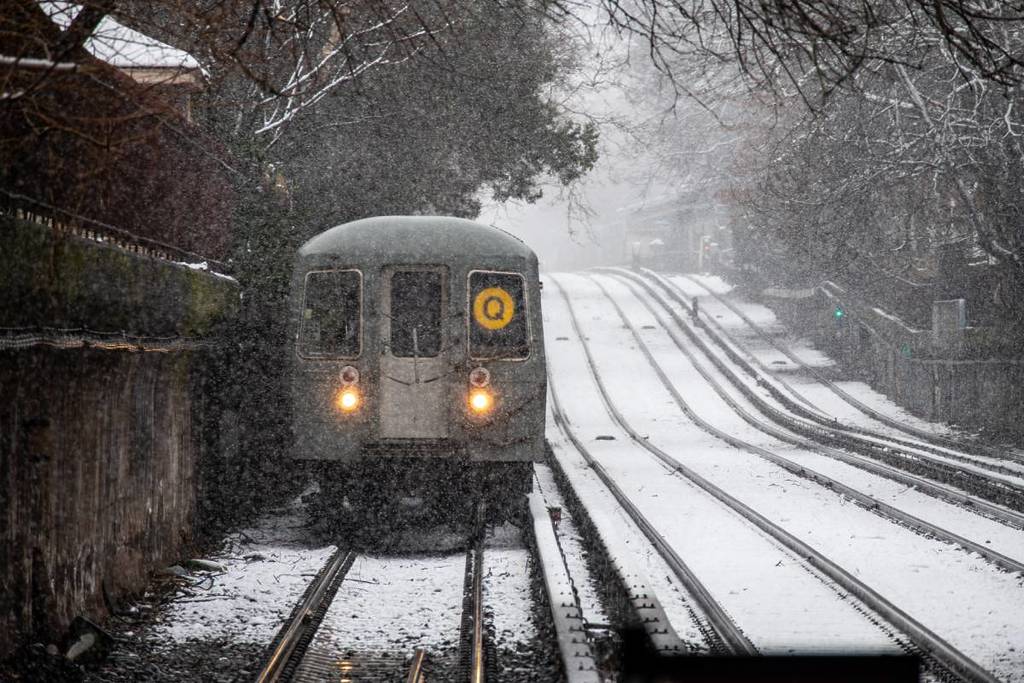
Meteorological winter begins on December 1, while astronomical winter officially arrives with the winter solstice on Monday, December 21, 2026, at 3:50 p.m. EST.
While a developing “Super El Niño” could make this season milder and wetter overall than last year’s snowy stretch, forecasters warn that sudden Arctic air outbreaks and major East Coast storms—especially in late January and February—can still catch unprepared residents off guard.
Why New York’s power grid is on high alert
Winter blackouts are significantly more dangerous than summer outages because unheated apartments and homes lose warmth rapidly. This year, the New York Independent System Operator (NYISO), which manages the state’s electric grid, is warning of “tight conditions” as cold weather sets in.
According to NYISO Senior Vice President of External Affairs Kevin Lanahan, fuel supply constraints are a primary concern.
Constrained natural gas infrastructure and tight liquid fuel reserves mean the grid has a shrinking cushion during periods of ultra-cold weather.
While NYISO expects to have enough capacity to get through the season—using tools like importing power from neighboring regions and asking large energy users to cut back during peak hours—officials stress that households should be ready for potential disruptions.

What state emergency officials want you to know
Pete Cichetti, director of the New York State Office of Emergency Management, is urging households across the state to treat winter readiness as a top priority before storms arrive.
For residents considering backup power during an outage, officials issued a critical safety reminder: never run a portable generator indoors, including inside a basement, garage, or near open windows, due to the deadly risk of carbon monoxide poisoning.
4 things NY officials say to do before winter arrives
State emergency management officials outlined four straightforward steps every household should take right now:
- Test smoke and carbon monoxide detectors: Install and test both smoke and carbon monoxide alarms on every floor of your home or apartment to ensure they have fresh batteries and are working properly before heating systems run nonstop.
- Pack an emergency go-kit for your car: If you drive, keep cold-weather essentials in your trunk, including blankets, a sleeping bag, extra warm clothes, a flashlight with spare batteries, a phone charger, a first aid kit, an ice scraper, and a snow brush. Cichetti also recommends keeping a bag of sand or cat litter in the vehicle to give your tires traction if you get stuck in snow or ice. (Tip: If trunk space is tight, prioritize the ice scraper, brush, extra clothes, sleeping bag, and flashlight.)
- Sign up for real-time emergency alerts: Stay ahead of sudden weather shifts and local emergencies by texting your county or borough name (such as Manhattan, Brooklyn, Queens, Bronx, or Staten Island) to 333-111 to receive real-time alerts directly from state emergency officials.
- Check surrounding trees for damaged limbs: Before heavy snow and ice weigh down branches, inspect the trees around your property—or notify your landlord or building management—about any dead or broken limbs. Weak branches are prime candidates to snap during windstorms or heavy snow, posing serious safety hazards and knocking down power lines.
For more information, see the Division of Homeland Security and Emergency Services official website.
Don’t miss out! Follow us on Facebook, Instagram, and now on WhatsApp, too!