


The leaves may still be falling here in New York City, but anyone who was in the five boroughs last winter surely still has a chill down their spine. From record-breaking cold snaps to enough snow to have just about every New Yorker declaring they’ll never take outdoor summer plans for granted again, it was a rough season for neighbors across the tri-state area and beyond.
And whether we want it to or not (and we think we speak for many of our neighbors when we say…maybe not just yet), winter is coming. Despite forecasts predicting a warmer, wetter season than the one we experienced last year, if there’s one thing about a New York winter, it’s that it’s about as predictable as a rush-hour train schedule. In other words, not very.
To get ahead of whatever Mother Nature has in store, New York City officials are already rolling out an extensive winter preparedness plan. On November 9, Mayor Zohran Mamdani announced a sweeping citywide effort backed by $25 million in new funding, aimed at keeping New Yorkers safe, warm, and moving throughout the colder months.
🧣 How NYC Is Preparing For The 2026–2027 Winter Season
The plan includes an expanded Code Blue system, which will bring additional outreach teams, mobile medical units, warming centers, and shelter beds to vulnerable New Yorkers during prolonged cold spells.
Meanwhile, the Department of Sanitation is gearing up for another snowy season with more than 2,200 vehicles ready to be converted into snowplows, 120 new snow blowers, 700+ salt spreaders, and a stockpile of 500 million pounds of salt.
The city is also introducing new measures to make clearing sidewalks, crosswalks, bus stops, and bike lanes faster and more efficient, while expanding snow-clearing coverage in some of Staten Island’s hilliest neighborhoods.
❄️ New Snow Removal Equipment And Upgrades Coming To NYC This Winter
- Pedestrian-First Route Mapping: For the first time, crosswalks, sidewalk corners, and bus stops have been digitally mapped directly into DSNY snow routes so clearing pedestrian hubs is baked right into the schedule.
- Targeted Gear for Sidewalks and Corners: DSNY added its first fleet of 120 dedicated snow blowers alongside smaller pickup haulers to clear curb cuts and bus shelters rapidly without blocking traffic.
- Terrain-Conforming Plow Blades: A total of 678 plows and salt spreaders have been fitted with flexible composite blades that hug road contours, scraping slush down to the asphalt while preventing pavement and bridge damage.
- Steep Hill Coverage on Staten Island: DSNY added eight dedicated plow sector routes specifically tailored for Staten Island’s steepest, narrowest roadways.
- Massive Stockpiles and Staffing: Sanitation has prepped over 2,200 convert-ready plow vehicles, 700+ salt spreaders, 500 million pounds of salt, and a roster of more than 3,000 registered Emergency Snow Shovelers.
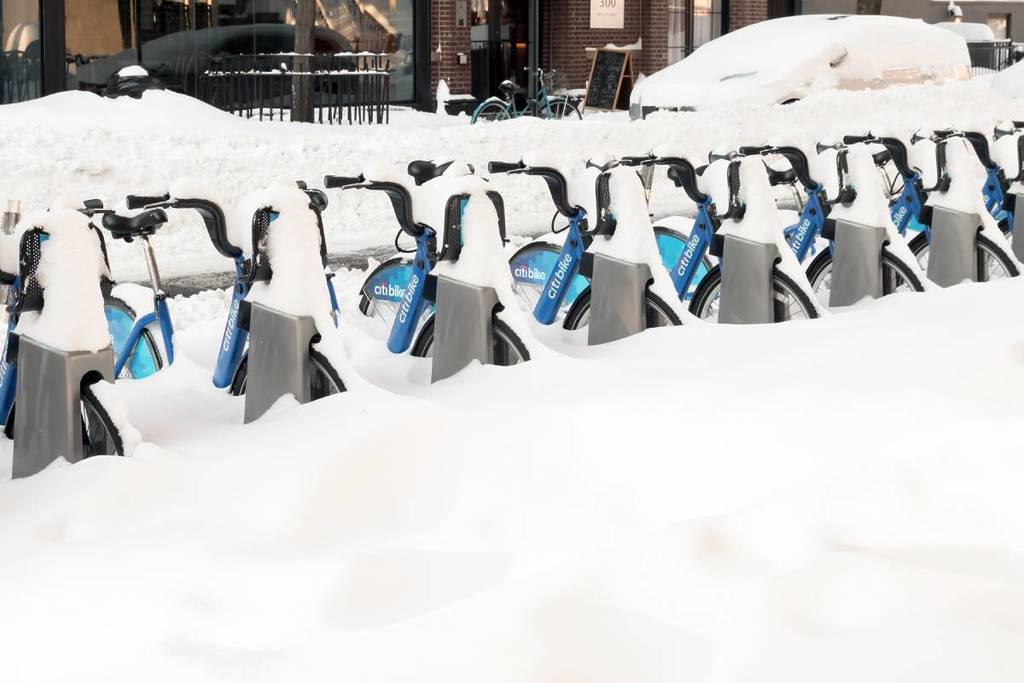
- Support Across Sister Agencies: NYC DOT invested $2 million in nimble tractor plows for bike shares and pedestrian areas; NYC Parks readied nearly 400 vehicles to clear 2,000 miles of park pathways; and NYC Public Schools prepped hundreds of snow blowers and plows to keep school perimeters accessible.

🩵 NYC’s Expanded Code Blue System: New Warming Centers, Shelter Beds And Mobile Medical Units
When temperatures drop to dangerous levels, NYC’s expanded $25 million Code Blue response will bring relief directly to vulnerable New Yorkers, rather than waiting for them to seek help.
More than 300 street canvassers will cover 75% of known gathering points across all five boroughs, while up to 55 mobile medical units staffed by nurses and nurse practitioners provide on-the-spot care and warm transportation to safety.
The city is also expanding access to warming centers at public hospitals, adding four emergency warming locations and eight drop-in centers, and preparing up to 20 heated warming buses.
Alongside extended overnight hours at four syringe service sites, NYC has secured more than 600 rooms to create at least 800 low-barrier shelter beds. Outreach teams will also conduct wellness checks on more than 12,000 vulnerable New Yorkers to ensure they have adequate heat and winter supplies.

🛠️ How To Utilize These Resources
Knowing what resources exist is half the battle; knowing how to tap into them when the weather turns is what keeps you and your family safe.
- Get Real-Time Weather Alerts: Subscribe to the city’s official alert system by downloading the Notify NYC app or texting NOTIFYNYC to 692-692 to receive instant updates on storms, transit halts, and warming activations.
- Enforce Your Heat Rights: By NYC law (October 1 to May 31), indoor temperatures must reach at least 68°F between 6 AM and 10 PM if it’s below 55°F outside, and stay at least 62°F overnight regardless of the outdoor low. If your landlord ignores heating issues, file a complaint immediately by calling 311 or reporting it online at nyc.gov/311 for an HPD inspection.
- Lower Your Winter Utility Bills: If heating bills are stretching your budget, apply for bill relief and heating subsidies through the Home Energy Assistance Program (HEAP) or check local support programs at nyc.gov/utility-advocacy.
- Help a Neighbor Staying Outside: If you see someone out in extreme cold who appears at risk, call 311 to dispatch an outreach and mobile medical team directly to their location.
- Clear Your Sidewalks: Property owners, superintendents, and homeowners must clear a four-foot-wide path along sidewalks and curb ramps after snowfall to keep walkways accessible for strollers and wheelchairs.
- Prevent Frozen Pipes: Keep indoor airflow moving around exterior plumbing and check the Department of Environmental Protection’s freezing prevention guidelines at on.nyc.gov/485DQ8O before severe freezes hit.
Don’t miss out! Follow us on Facebook, Instagram, and now on WhatsApp, too!