


New Yorkers, it is time to prepare for those 4:30 p.m. sunsets.
In just a week, our clocks will fall back an hour on November 1 as daylight saving time officially ends.
While the seasonal shift brings earlier sunrises and potentially some health benefits, this fall could have looked drastically different.
According to Nexstar, lawmakers introduced three distinct legislative approaches this year to alter or end our twice-a-year time change.
The push to lock the clocks
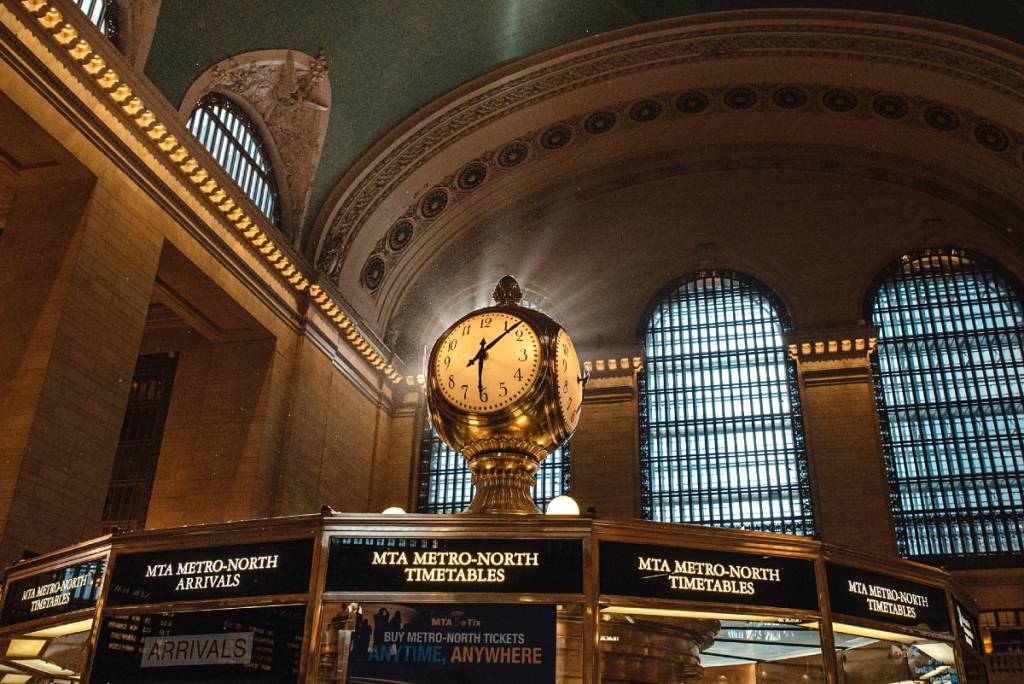
The U.S. came remarkably close to locking in permanent daylight saving time. The House passed the Sunshine Protection Act, sending it to the Senate with presidential support.
However, the Senate adjourned without taking action and is not expected back until after Election Day. Senate Majority Leader John Thune noted the legislation currently lacks a clear path forward.
If enacted, New York clocks would not be falling back this November, joining Hawaii and parts of Arizona in ditching the seasonal switch.
The year-round standard time proposal
In July, lawmakers introduced a completely different strategy. The bipartisan Sunshine for Our Kids Act called for year-round standard time across the country.
This bill would also grant states the explicit option to make daylight saving time permanent.
If standard time became the permanent rule, our Empire State winters would feel exactly the same, but the sun would rise and set an entire hour earlier during our spring and summer months. The bill remains stalled in the House Committee on Energy and Commerce.
The 30-minute compromise

A third, highly unusual approach surfaced in February.
The Daylight Act of 2026 proposed setting our clocks back just 30 minutes in November instead of a full hour, before ceasing the time change entirely.
While less drastic, a half-hour shift would create massive logistical headaches for New Yorkers. International business, flights out of JFK, and cross-border travel to Canada would have to account for unusual, fractured time zones. This bill is also currently sitting in committee.
State-level options remain stalled
Congress also saw two bills introduced that would grant individual states the authority to observe year-round daylight saving time. Nearly 20 states have been waiting for this exact congressional action to move forward with their own permanent time laws.
Neither bill progressed out of committee this year. For now, the standard seasonal routine remains the law of the land, and our clocks will officially fall back on November 1.
Don’t miss out! Follow us on Facebook, Instagram, and now on WhatsApp, too!