

Key Takeaways:
- The NYC City Council officially voted today to ban horse-drawn carriages in Central Park, defeating a last-minute amendment to delay the vote
- The legislation, backed by a veto-proof majority of 29 co-sponsors, phases out the industry by June 1, 2028
- The legislation, named “Romanch’s Law,” follows the tragic death of an 18-year-old tourist, whose family pleaded with the city for “true justice” outside City Hall today
- The ban follows decades of controversy, succeeding where former Mayor Bill de Blasio’s 2013 campaign promises failed
- The mayor is legally required to establish a transition plan for drivers by April 2027, and all horses will be relocated to sanctuaries
- The Transport Workers Union (TWU) is threatening legal action, arguing the bill leaves drivers without proper protections
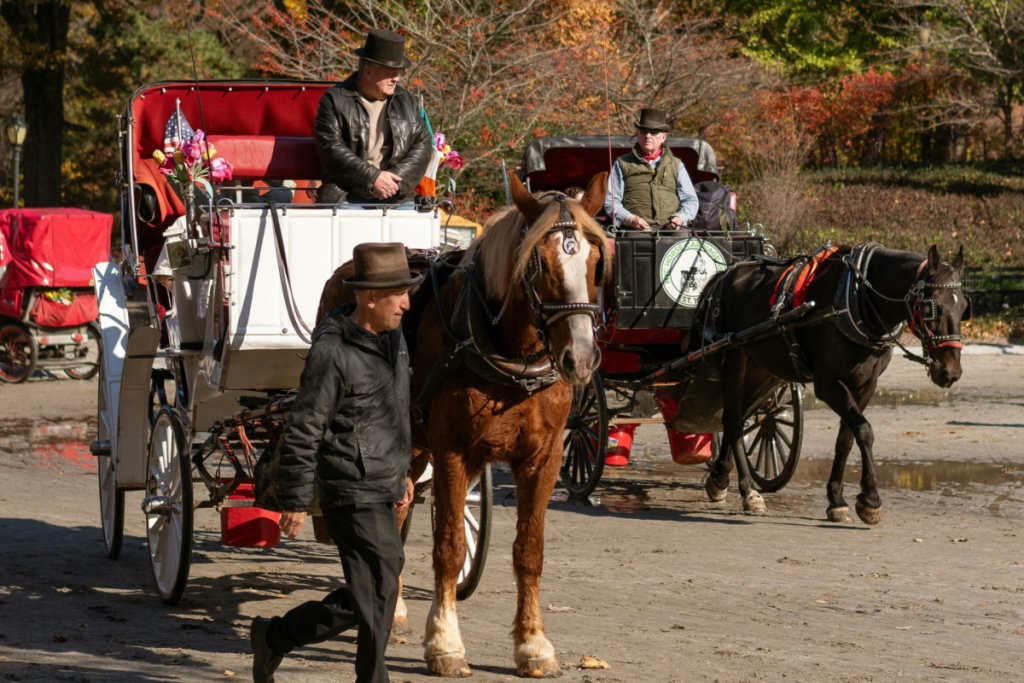
After a decades-long battle between animal rights activists and the carriage industry, tourists will soon have to explore Central Park on foot. In a landmark Thursday afternoon vote, the New York City Council officially passed legislation to permanently ban horse-drawn carriages from Central Park.
The historic agreement, sponsored by Council Member Christopher Marte and spearheaded by Speaker Julie Menin, cleared the Health Committee by a 6–3 vote earlier in the day before passing the full 51-member chamber with a veto-proof majority.
The Council also voted down a last-minute amendment attempting to delay the ban.
Mayor Zohran Mamdani is expected to sign the bill into law, marking the official end of an industry that has been a staple of the city since 1858.

Why is NYC banning Central Park horse carriages?
The push to ban horse-drawn carriages gained unprecedented momentum this past summer following a devastating tragedy.
On June 17, an 18-year-old tourist, Romanch Mahajan, fell to his death after a carriage horse got spooked and bolted through the park.
The new legislation was officially named “Romanch’s Law” in memory of the young tourist. Gaurav Mahajan, Romanch’s uncle, said outside of City Hall:
True justice means recognizing that these gentle, majestic horses do not belong on the congested asphalt or trapped in dangerous traffic. On behalf of his parents and his brother, I leave New Yorkers with one final sacred request: please do not forget Romanch.
Previously, the bill was drafted as “Ryder’s Law,” named after a carriage horse that tragically collapsed from exhaustion on the bustling streets of Hell’s Kitchen and died months later.
For years, animal welfare groups have argued that the traffic-heavy, congested streets of Manhattan create a dangerous environment for both the animals and the public.
Banning the rides has been a long-sought goal for local politicians; former Mayor Bill de Blasio made shuttering the industry a centerpiece of his 2013 campaign, but ultimately failed to enact a ban during his eight-year tenure.
Curtis Sliwa, founder of the Guardian Angels and a former mayoral candidate, stated, “This is a campaign that’s been going on since the late ‘60s and ‘70s. But at least the horses will be free.”

The Backlash: legal threats and industry outrage
A major sticking point in the controversy has been the livelihood of the carriage drivers.
Following the advancement of the legislation earlier this month, several drivers told Gothamist they felt betrayed by the city and argued they are being unfairly forced out of business.
That outrage escalated Thursday. Leaders from the Transport Workers Union (TWU) promised to take legal action against the city, stating that Romanch’s Law leaves current drivers and owners without proper protections for their livelihoods.
When will the carriage ban take effect?
While the vote passed today, the carriages will not disappear overnight.
Under the new legislation, officials will completely phase out the Central Park horse carriage industry by June 1, 2028.
This gives the city less than two years to wind down the operations of the 68 currently licensed carriages, many of whose owners have invested hundreds of thousands of dollars into city-issued medallions and licenses.
Mayor Mamdani stated in support of the bill:
The horse carriage industry is coming to an end in New York City. The administration will make sure workers and owners are protected and the horses are safe.
What happens to the horses and carriage drivers?
A major sticking point in the decades-long controversy has been the livelihood of the carriage drivers and the future of the animals.
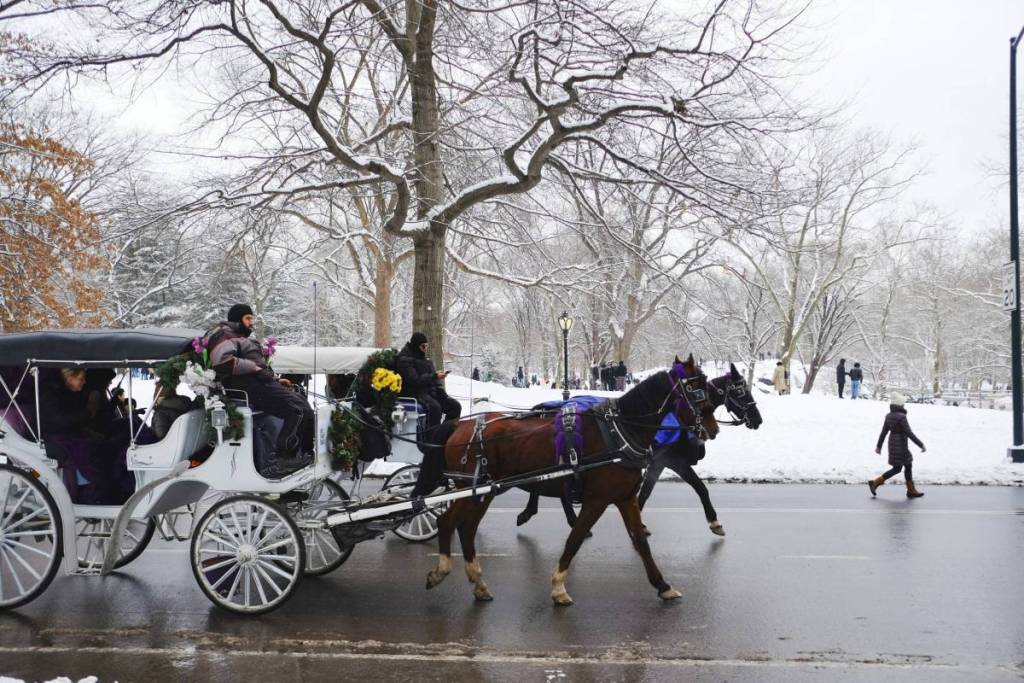
To address workforce concerns, Romanch’s Law legally requires the mayor’s office to establish a formal transition and workforce development plan for current industry workers by April of next year.
Additionally, the legislation ensures that all remaining carriage horses will be safely relocated to vetted animal sanctuaries rather than being sold or euthanized.
Don’t miss out! Follow us on Facebook, Instagram, and now on WhatsApp, too!