
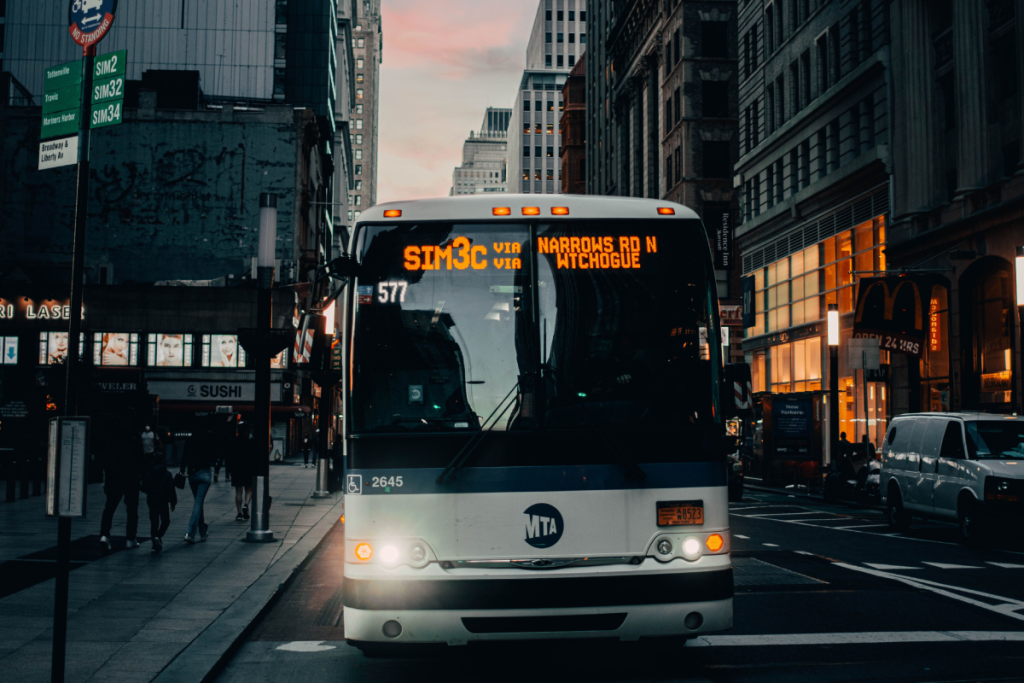

New York City’s expansive bus network has been helping residents and visitors navigate the five boroughs for generations. And while the city’s streets and transportation technology have changed dramatically over the years, one thing remains the same: New Yorkers want to get where they’re going as quickly and reliably as possible.
Now, the MTA is expanding its use of automated cameras to help buses move through traffic with fewer delays. Three more routes—the B1 and B6 in Brooklyn and the Q65 in Queens—are joining the agency’s Automated Camera Enforcement (ACE) program, which targets drivers who illegally use bus lanes, block bus stops, or double-park in ways that obstruct buses.
Recommended Articles
 The MTA is planning another fare hike for 2027; here’s what your commute could cost
 $23,405 to own your own Manhattan apartment—applications are now open for an ultra-rare NYC listing
The expansion is part of the MTA’s broader Next Stop: Fast Buses, Better Service plan, which aims to improve bus speeds and reliability across the city. The goal is straightforward: keep bus lanes clear, prevent vehicles from blocking stops, and help riders spend less time stuck in traffic. The MTA says some sections of camera-enforced routes have already seen bus-speed improvements of nearly 30%.
Here’s what Brooklyn and Queens riders—and drivers who share the road with them—should know about the latest expansion.
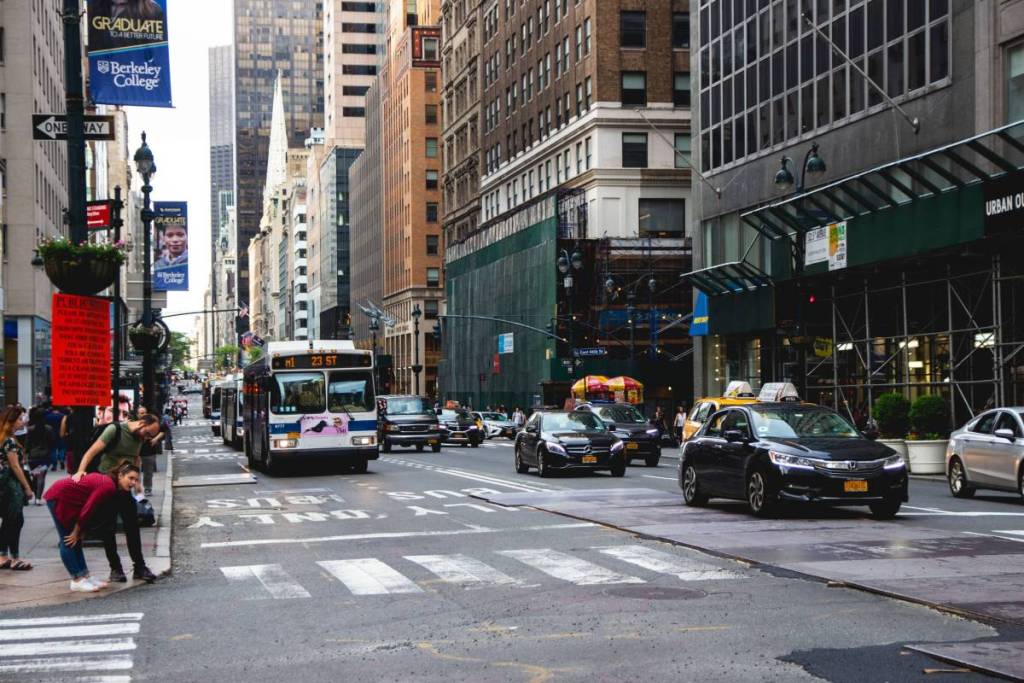
Which NYC bus routes are getting automated cameras?
The MTA is expanding Automated Camera Enforcement (ACE) to three high-rider bus routes in Brooklyn and Queens:
- B1 (Brooklyn): Operating primarily along 86th Street and Ocean Parkway.
- B6 (Brooklyn): Serving key corridors across Bay Parkway, Avenue J, and Flatlands Avenue.
- Q65 (Queens): Travelling along Sanford Avenue and 164th Street.
Together, these three additions serve over 80,000 daily commuters.
When do fines begin for bus lane violations?
A 60-day warning period began on Monday, October 12, 2026.
During this window, drivers who block bus lanes, double-park along routes, or obstruct bus stops receive warning notices by mail instead of monetary penalties. Actual fine-bearing summonses will be issued once the 60-day warning period concludes in December 2026.
How much are the fines for blocking bus lanes and bus stops?
Fines operate on an escalating tier system to deter repeat offenses:
- First offense: $50
- Repeat offenses: Escalate progressively up to $250 per violation
Violations are issued when vehicles stand illegally in bus lanes (longer than 5 minutes while observed by two separate buses) or block bus stops (longer than 2.5 minutes).
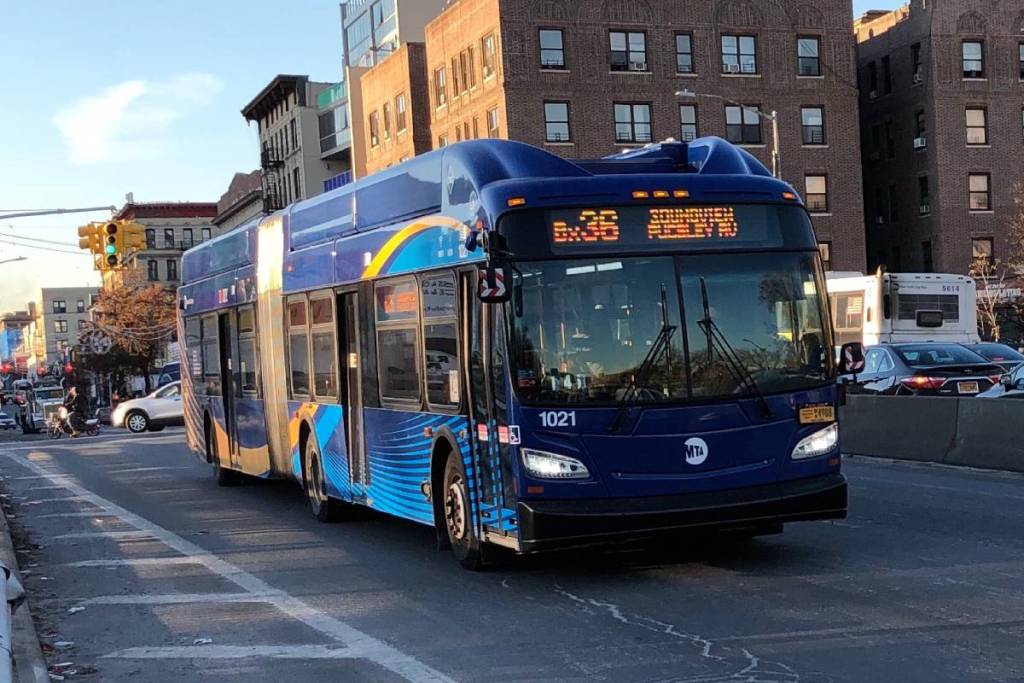

Which NYC bus routes already have automated cameras?
With these 3 additions, ACE covers 76 routes citywide across all five boroughs, powered by more than 2,000 camera-equipped buses (one-third of the total fleet):
- Brooklyn: B1, B6, B8, B9, B11, B12, B15, B25, B26, B35, B41, B42, B44-SBS, B46-SBS, B60, B62, B63, B68, B82-SBS, B103, and others.
- Queens: Q5, Q6, Q8, Q10/Q80, Q17, Q58, Q60, Q63, Q65, Q66, Q69, Q101, and select Select Bus Service lines.
- The Bronx: Bx2, Bx3, Bx5, Bx6-SBS, Bx7, Bx9, Bx11, Bx15, Bx17, Bx19, Bx20, Bx22, Bx28, Bx35, Bx36, Bx38, among others.
- Manhattan & Staten Island: Major crosstown corridors (M14, M15, M23, M34, M57, M60-SBS, M79-SBS, M86-SBS) and key express corridors.
🌐 For more information, see the MTA’s official press release.