

Starting today, the MTA is officially issuing cash fines to motorists caught speeding through active work zones on New York City bridges and tunnels.
The Automated Work Zone Speed Enforcement program first activated its cameras in late June. Over the summer, the agency mailed more than 15,780 written warnings to drivers. Now, the grace period is officially over.
How the fines work
The new speed cameras target drivers going more than 10 miles per hour over the posted limit. All violations are validated by a certified technician before they are mailed. Here is the penalty breakdown:
- First offense: $50
- Second offense: $75 (if within 18 months of the first)
- Third offense and beyond: $100 for each violation (subject to additional late fees)
These penalties are considered non-moving infractions. This means they will not add points to your driving record.
They also will not be reported to your insurance provider. You can pay your fines online, by mail, via mobile app, or in person at any NYC Department of Finance Business Center.
Where the cameras are located
State lawmakers originally authorized speed cameras for state highways in 2021, and expanded the program in 2025 to protect road workers across nine MTA facilities.
The cameras operate out of unmarked vehicles equipped with radar technology. They are stationed in active construction zones and operate during working hours.
You will see posted warning signs ahead of the enforcement areas at these locations:
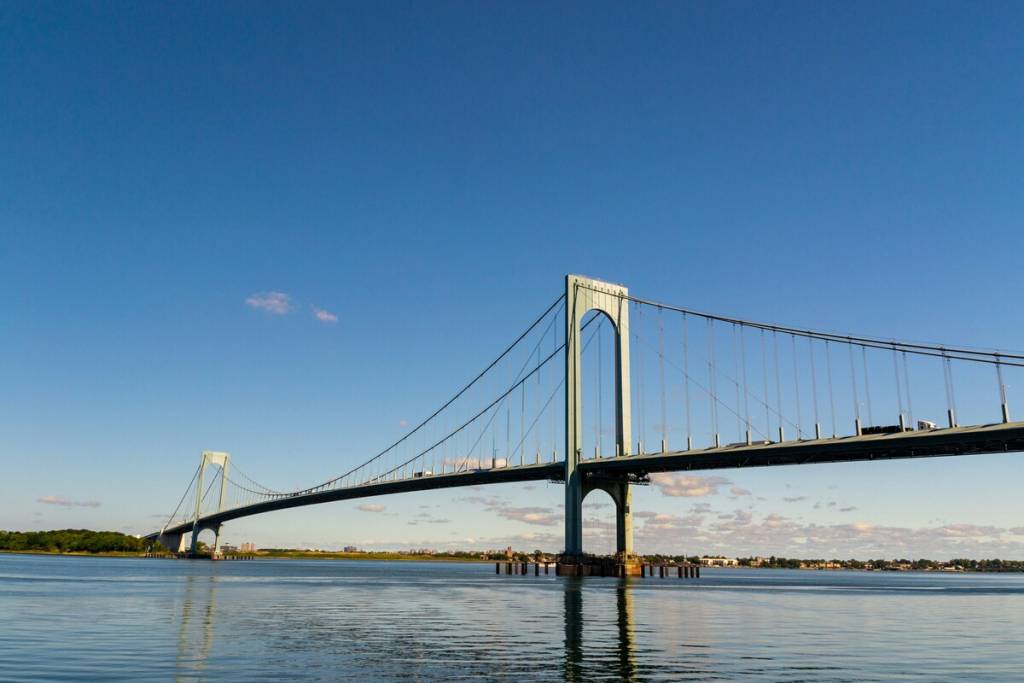
- Bronx-Whitestone Bridge
- Cross Bay Veterans Memorial Bridge
- Henry Hudson Bridge
- Hugh L. Carey Tunnel
- Marine Parkway-Gil Hodges Memorial Bridge
- Queens Midtown Tunnel
- Robert F. Kennedy Bridge
- Throgs Neck Bridge
- Verrazzano-Narrows Bridge
The extreme speeds behind the shift
During the initial warning phase, the MTA captured over 33,000 vehicles exceeding the speed limit by at least 10 mph. On average, drivers were going 14.5 mph over the posted limit.
In the most extreme cases, the cameras caught vehicles traveling 111 mph in a 45 mph zone. Another driver was recorded hitting 109 mph in a 35 mph zone.
According to the MTA, almost 900 fatalities and 40,000 injuries occurred in U.S. work zones in 2023.
Similar speed enforcement programs on state highways and the New York State Thruway have already proven successful. The majority of road workers report feeling significantly safer on the job when these cameras are actively enforced.