
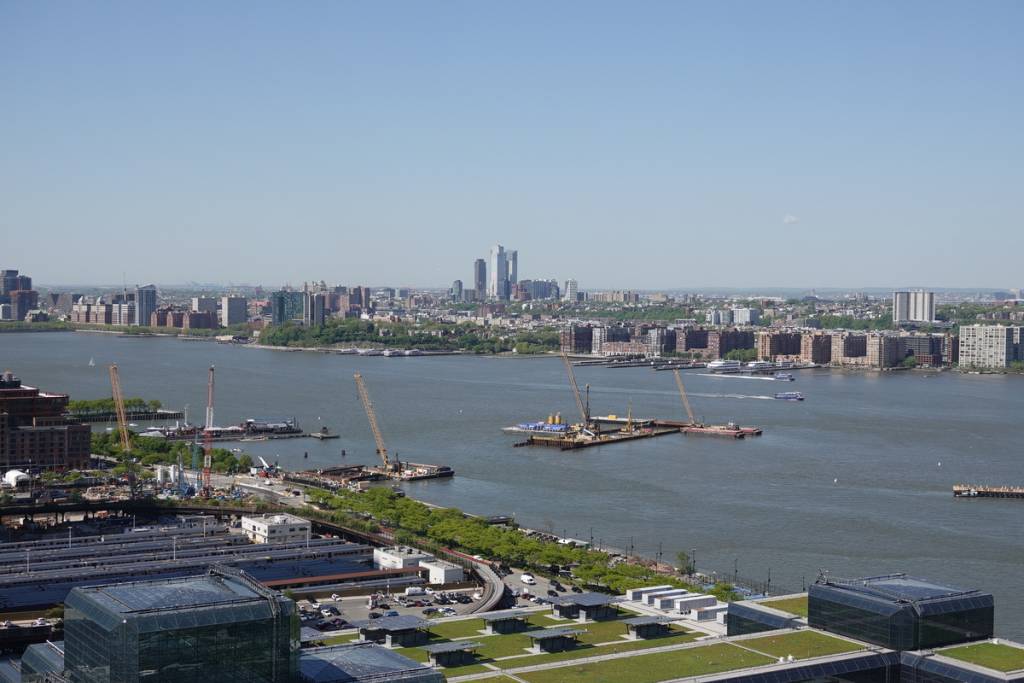

Trekking across the river to New Jersey can be a major headache for New Yorkers. But the Gateway Program’s massive Hudson Tunnel Project is on a mission to make your trip to commuter towns like Hoboken and Newark significantly smoother.
Widely considered the ‘most urgent’ infrastructure project in America, this $16 billion undertaking is finally picking up major steam with some impressive new updates.
Here is a look at how this historic construction effort will reshape the future of travel along the East Coast.
What the transit project actually entails
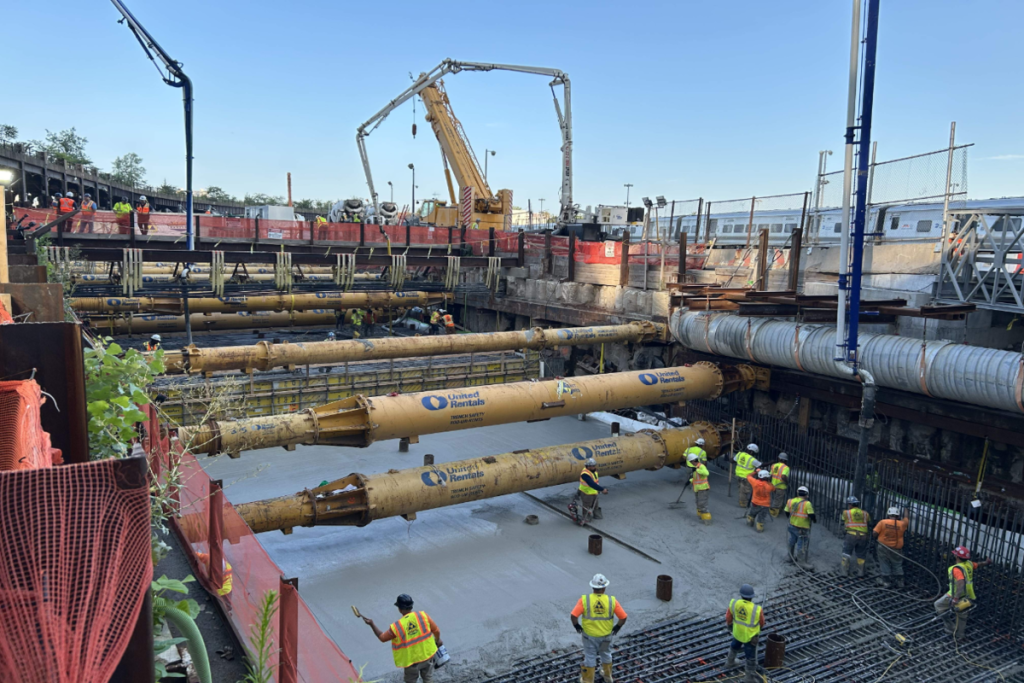
When all the construction dust finally settles, the Northeast Corridor is going to look completely different. The project focuses on building nine miles of new passenger rail track connecting New York and New Jersey.
This ambitious expansion includes nearly five miles of heavy tunnel boring to create a brand-new, two-tube tunnel running directly beneath the Hudson River.
At the same time, crews will be completely rehabilitating the existing North River Tunnel. By the end of the project, commuters will get to utilize four modern tracks between the states instead of just two.
This will vastly improve Amtrak and NJ TRANSIT reliability and put an end to those frustrating, out-of-nowhere delays.
Why this massive overhaul is so deeply urgent
The Northeast Corridor is the most heavily used passenger rail line in the United States. This stretch from Washington, D.C. to Boston acts as a massive economic engine, moving a region that generates 20% of the nation’s GDP.
The heavily congested 10-mile stretch between Newark and New York Penn Station is currently relying on a crumbling foundation. Right now, service depends entirely on the North River Tunnel, which has been operating continuously since 1910.
The Pennsylvania Railroad originally built it by hand using a historic “shield method” where workers installed massive cast-iron rings as they dug. Interestingly, they originally planned for two tunnels, but only ever finished one.
To make matters worse, wear and tear compounded dramatically when Hurricane Sandy flooded the tubes in 2012.
Lingering chlorides from the floodwaters are still damaging the aging electrical equipment today. Because there are only two tubes carrying trains in and out of the city, a single disruption impacts travel in both directions instantly.
The official timeline and local economic benefits
The Hudson Tunnel Project is essentially a mega-project split into 10 distinct construction packages. As of right now, seven of those projects are currently in progress or completed.
While we still have a bit of waiting to do, the major milestones are officially set:
- The brand-new train tunnel is expected to open for service in 2035.
- The full rehabilitation of the historic North River Tunnel will be completed in 2038.
Beyond fixing our daily commutes, the project is a major win for the local economy. It is currently generating $19.6 billion in economic activity and supporting over 95,000 direct, indirect, and induced jobs.
Thanks to federally funded Buy America requirements, the project is also creating crucial new business for U.S. suppliers and manufacturers.