

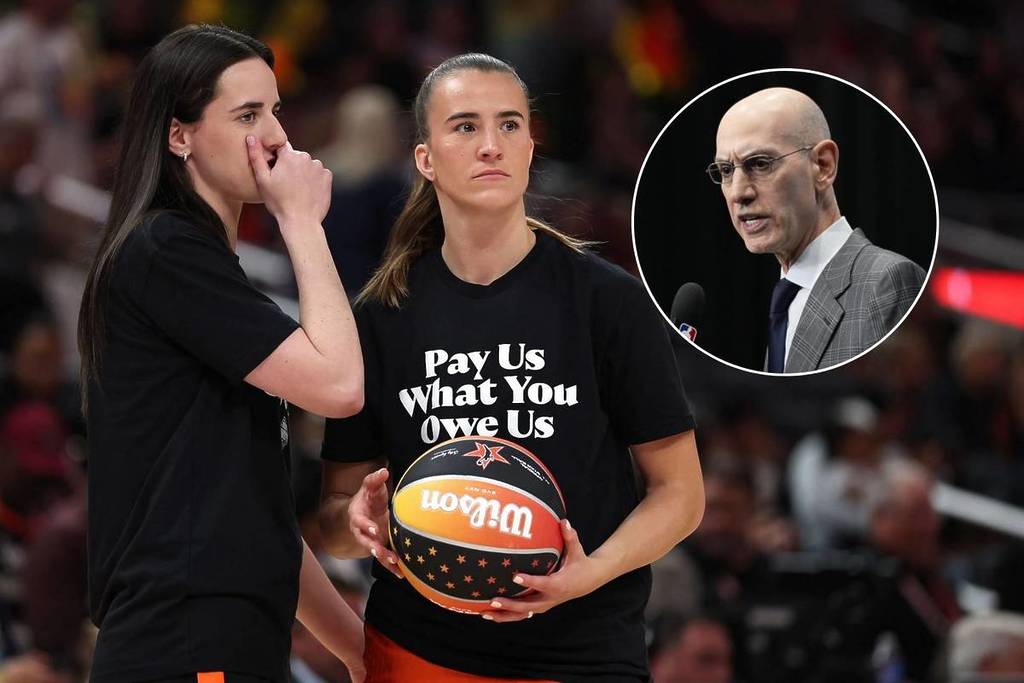
The WNBA All-Star game isn’t just about showcasing top-tier basketball talent; it’s a platform for players to voice important issues. This year, the WNBA athletes donned shirts that sparked conversations beyond the court, highlighting a critical revenue-sharing issue.
Currently, WNBA players receive only 10% of league revenue, while their NBA counterparts enjoy a 50-50 split with the owners. The WNBA players are not asking for the same salaries as NBA stars, but rather a fair share of the revenue pie.
The start of the conflict
As the league continues to grow, with rising attendance and viewership, the call for a fair share becomes even more pressing. So, should WNBA players get a bigger slice of the pie? Let’s delve deeper into the financial structure of the league and explore its implications for the future of women’s basketball.
The players are advocating for a fairer distribution, not equal pay to NBA players, but the same percentage, 50% of the revenue. This call for fairness is not just about increasing salaries; it’s about gaining respect and ensuring transparency.
Understanding the WNBA revenue puzzle
The WNBA has struggled financially since its inception, with the NBA shouldering around $10 million per year to cover its losses.
In 2022, the WNBA made significant strides, raising $75 million from investors like Nike, but it still faces hurdles in reaching a 50% revenue split. Even with a new $2 billion media rights deal, the league and its players see less than half of that money. This financial structure makes reaching a 50% revenue split challenging.
A call for respect and growth
Despite these financial complexities, there are promising signs for the WNBA. Attendance is up, viewership is on the rise, and expansion efforts are underway. However, while salaries are expected to increase gradually, the prospect of million-dollar contracts remains distant.
The core of the WNBA players’ movement is about more than just money; it’s a plea for respect and a real seat at the decision-making table.
The WNBA players’ quest for a fair revenue share is more than a financial issue—it’s a movement for respect and equality. As the league continues to grow and gain traction, the voices of its athletes must be heard and respected.
In conclusion, the WNBA players’ message transcends the basketball court. It’s a bold declaration for a fairer future, not just in terms of revenue, but in fostering an environment of respect and equality in professional sports.
After all, the future of sports is brighter when it’s inclusive and fair for all.