
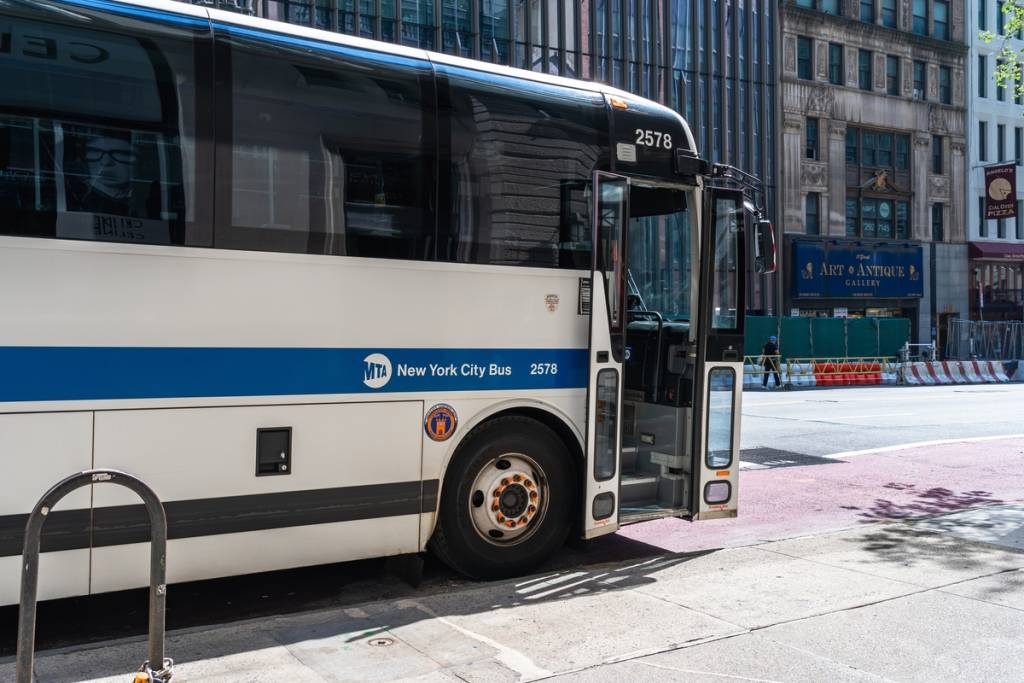

If you have ever found yourself staring out a bus window while a toddler on a scooter overtakes you, you are not alone. New York City famously has some of the slowest buses in America, with the average bus crawling at a dismal 8 mph.
But a fix is finally on the horizon. Mayor Zohran Mamdani and Governor Kathy Hochul teamed up to unveil a sweeping new transit initiative called “Next Stop: Better Buses, Faster Service“. The joint plan between the city and the MTA aims to boost bus speeds by 20% across 50 “priority corridors” spanning all five boroughs.
While Mayor Mamdani originally campaigned on making city buses completely free, the state-run MTA has resisted dropping fares. However, because the mayor controls the city’s streets, this plan focuses heavily on transforming our actual roadways to get commuters moving.
Shaving minutes off your daily grind
For the 2 million New Yorkers who depend on the bus network every day, the changes could save up to six minutes per ride—which adds up to 12 minutes saved on a daily round trip.
The plan relies on a mix of modern street engineering, stricter traffic enforcement, and updated technology. To kick things off, the city is moving forward with 28 ongoing street redesign projects to add dedicated bus lanes before the end of the year.
Smart streetlights and all-door boarding
The city is betting on tech to help clear gridlock. Here is a breakdown of what is coming to our intersections and bus routes:
- All-door boarding by 2027: To stop passengers from bottlenecking at the front door, riders will eventually be allowed to board through either the front or rear doors using tap-and-ride.
- Queue jump signals: The city will install 25 separate traffic lights per year specifically for buses, giving them a green light before any other vehicles can move.
- Bus-detecting intersections: Another 35 corridors per year will get smart signals that recognize an approaching bus and hold the green light longer so the bus can slide through.
- Heavier enforcement: To keep drivers out of dedicated lanes, the automated camera enforcement (ACE) system will expand to over 50 additional routes by 2027. Plus, NYPD on-site traffic enforcement will expand from 14 routes to 20 routes daily.
A massive fleet refresh and cozy shelters
Waiting in the pouring rain or blazing heat is easily the worst part of any commute. Fortunately, the “Next Stop” plan includes some highly anticipated upgrades to the actual bus stop environment.
The city has committed to building 300 new bus shelters by 2028. They are also tackling a massive goal of universal seating by 2035, starting by adding benches or leaning bars at 875 bus stops this year alone. To help fight extreme summer heat, the city is also planting trees at stops and even piloting a green roof bus shelter.
As for the actual ride? The MTA plans to buy 2,500 new, modern buses, replacing more than 40% of its aging fleet with vehicles that have better accessibility features and fewer mechanical breakdowns.
The ultimate goal is to build a high-capacity, world-class rapid bus network—including a signature center-running lane project on Flatbush Avenue by 2030—so that 90% of New Yorkers live within a half-mile of a reliable train or rapid bus station.
It is going to take a few years to see the full plan rollout, but it is a massive step toward giving local riders the faster commutes they deserve.