
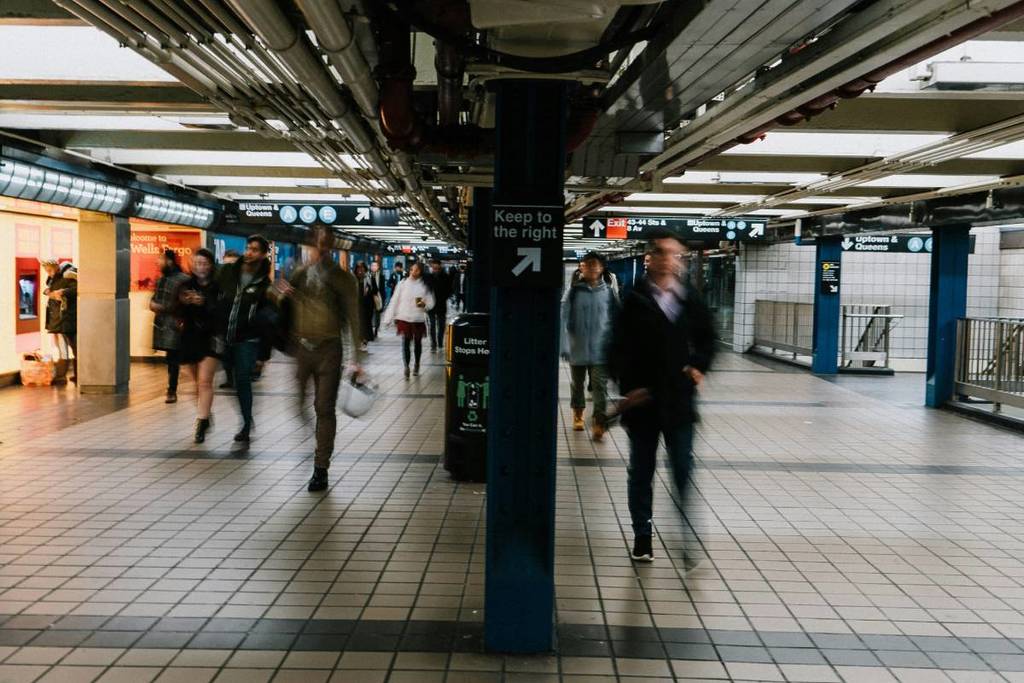

Big-city living comes with its fair share of daily worries and what–ifs, many that our suburban neighbors may not have to think about quite as much.
Whether it’s a crowded commute, a late-night train ride, or simply navigating life among millions of people, safety is never far from New Yorkers’ minds. But according to the latest data, citygoers can breathe a collective sigh of relief.
After 2025 marked the safest year on the subway system in more than two decades, the city has continued building on that momentum. New York recorded its safest January and February on record, and that hasn’t slowed down since. This standard has continued well into the year, as now, we’ve officially experienced our safest first 5 months of any year ever.
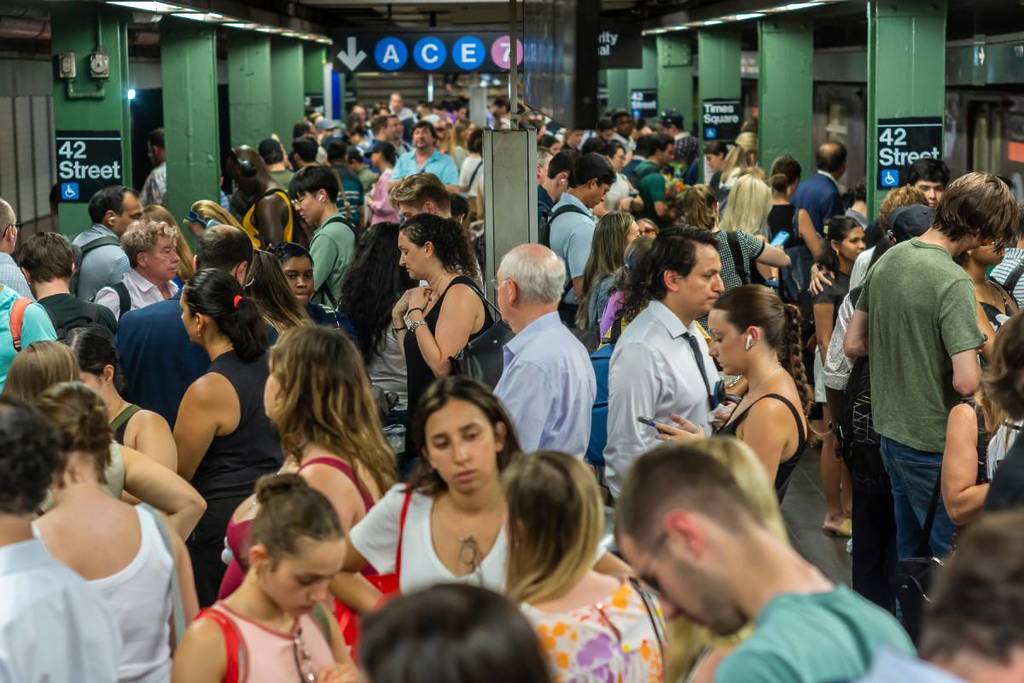
A Historic Milestone in Public Safety
The NYPD announced that the first five months of 2026 were the safest on record across several key public safety measures in New York City. Under Police Commissioner Jessica S. Tisch, the department reported double-digit drops in several major crime categories, alongside plummeting numbers in public housing and a continued downward trend in the transit system.
For the month of May alone, overall major index crime plunged by 10.6% citywide compared to last year, representing 1,147 fewer reported crimes. Year-to-date (YTD), major crime is down 6.2% across the entire city, with all five boroughs experiencing reductions.
Tracking Major Crime Trends
Property and theft crimes saw significant pullbacks in May, driven in large part by a targeted strategy to combat retail theft. By pivoting from pass-through enforcement to deep, pattern-based investigations, the NYPD drove retail theft down 15% in May and 18.8% year-to-date citywide.
The monthly breakdown of major index crimes shows across-the-board drops, with one notable exception:
- Robbery: Fell 18.1% in May (1,165 vs. 1,423) and is down 11% YTD.
- Burglary: Dropped 19.5% in May (871 vs. 1,082), hitting the second-lowest level in recorded history.
- Grand Larceny Auto: Declined 13.0% in May (1,072 vs. 1,232), with Manhattan alone seeing a 44.3% drop.
- Felony Assault: Rose slightly by 0.4% in May (2,734 vs. 2,722).
The multi-year rise in felony assaults stems primarily from three areas: domestic incidents (up 54% since 2020), assaults on police officers (up 103% since 2020), and assaults on other government employees (up 200% since 2020). To combat this, a new 450-investigator Domestic Violence Unit was launched, pushing domestic violence arrests up 2.9% so far this year.
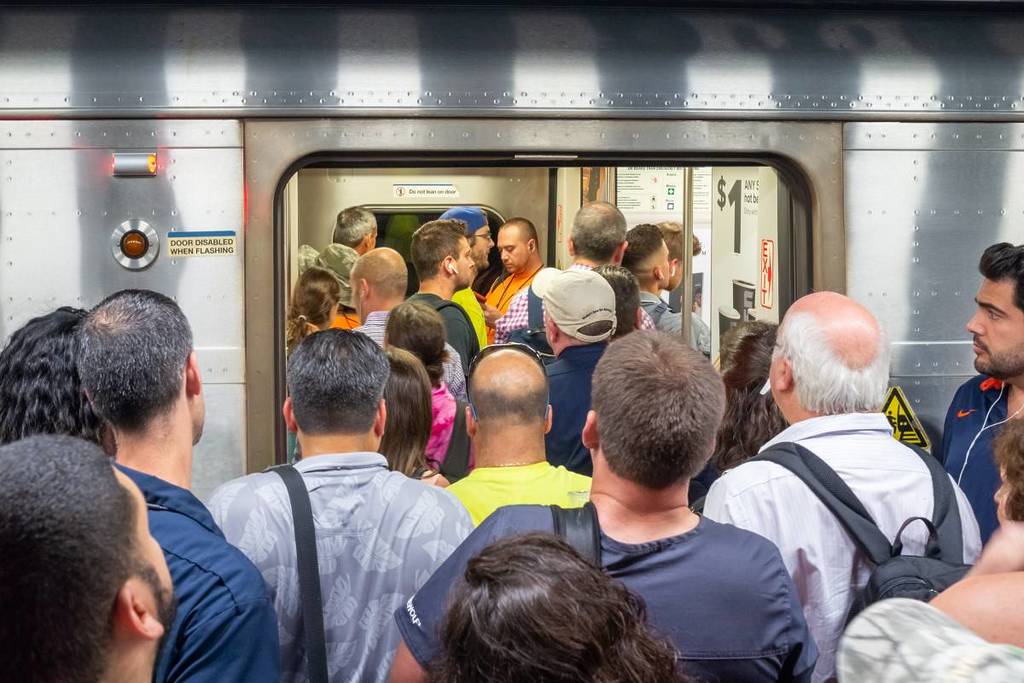
The Bronx led all five boroughs in crime reduction this year, public housing developments are experiencing their safest start to a year on record, and crime in the subway system continues to trend downward following an already historic 2025. For New Yorkers, that means safer train rides, safer neighborhoods, and safer communities across the city, from rush-hour commutes to walks home at night.
And for a city that’s often defined by its hustle, noise, and larger–than–life reputation (to say the least), it’s comforting to have a reminder that New York is becoming something else, too: safer.
While there’s always more work to be done in a city of more than eight million people, these numbers point to real progress in the places New Yorkers care about most, the neighborhoods they call home, the trains they ride every day, and the communities that keep the city moving.
And for the parents, grandparents, siblings, partners, and friends who have someone they love living in New York City, these numbers offer something that’s harder to measure than statistics: a little extra peace of mind.
New Yorkers will always be New Yorkers, rushing for trains, staying out too late, chasing big dreams, and somehow surviving on far too little sleep, but it’s reassuring to know that the city they’re navigating every day is becoming a safer place to do it. After all, this city may belong to all of us, but it also belongs to the people we love most. ❤️🗽