

New York City is built on layers of history, but every once in a while, you stumble upon a place where the past feels especially close.
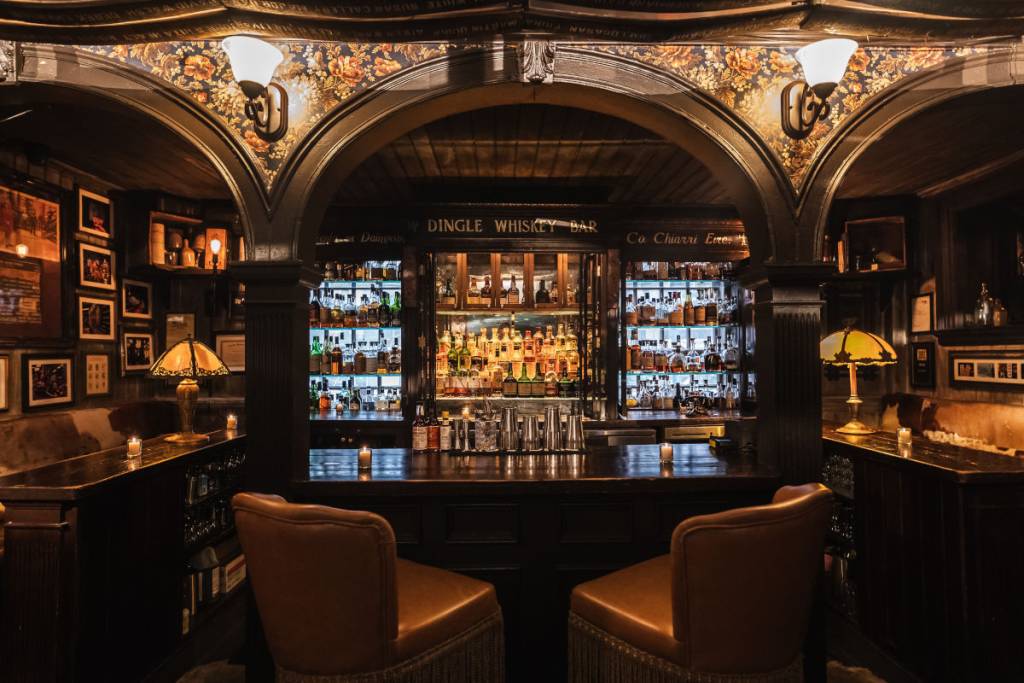
Take Fraunces Tavern, one of the city’s oldest and most historic watering holes. The building dates all the way back to 1719, and Samuel Fraunces turned it into a tavern in 1762—meaning New Yorkers have been gathering here for centuries. Today, you can still walk through the same historic building, grab a drink or a bite downstairs, and visit the museum tucked into the floors above.
And the history here is anything but boring. During the Revolutionary War, a British cannonball came crashing through the tavern’s roof, the building served as a meeting place for the Sons of Liberty, and some of the country’s earliest government offices were later housed here.
But the tavern isn’t frozen in the past. The landmark still operates as a bar and restaurant, while the museum above continues to add exhibitions exploring New York’s role in the American Revolution.
The history of Fraunces Tavern
Long before 54 Pearl Street became Fraunces Tavern, the land was part of the Lenape homeland and was created through a 1691 landfill project supporting New York’s growing port. Merchant Stephen De Lancey built the structure in 1719, and after passing through several uses, Samuel Fraunces purchased it in 1762 and transformed it into a bustling tavern and hub of colonial social and political life.
During the Revolutionary era, the tavern hosted the Birch Trials, where British officials evaluated Black Loyalists—including many formerly enslaved people who had escaped to British lines—for emancipation. More than 3,000 people were recorded as gaining their freedom in the Book of Negroes before the British evacuation of New York.
The building later survived three major fires in the 1800s and several renovations before facing demolition in 1900. Preservationists stepped in, and the Sons of the Revolution in the State of New York purchased the property in 1904, restoring it to its 18th-century appearance. It officially reopened as a historic landmark in 1907.
What’s new in 2026
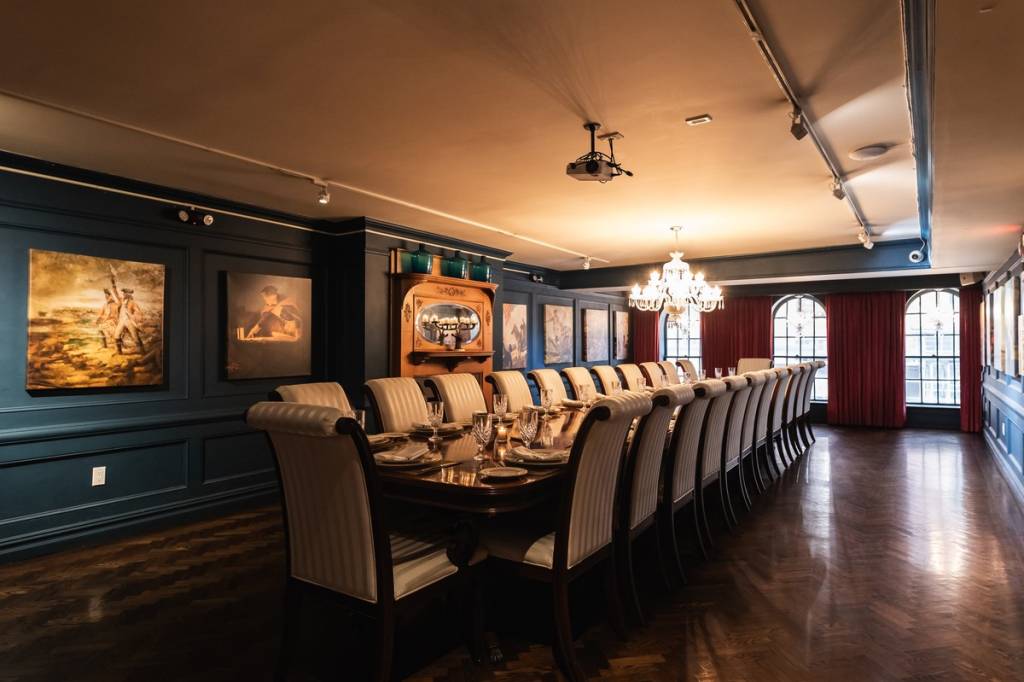
While Fraunces Tavern honors centuries of history, the site regularly updates its experience for visitors with new permanent and temporary museum installations:
- Lodging at Fraunces Tavern: Opened as a permanent exhibition, this display explores how 18th- and 19th-century travelers and boarding house guests lived on the upper floors of 54 Pearl Street.
- Fraunces Tavern: Over 300 Years of Building History: This retrospective details the building’s transformation from a waterfront home to a landmark museum complex, accompanied by the short documentary film Fraunces Tavern: It Happened Here!
- The Birch Trials at Fraunces Tavern: A detailed permanent exhibition showcasing the historic 1783 proceedings that led to the emancipation and evacuation of thousands of Black Loyalists.
- Governing the Nation from Fraunces Tavern: Dedicated to the years between 1785 and 1788 when John Jay and Henry Knox operated early departments of the Confederation Congress out of the tavern’s upper rooms.
The George Washington connection
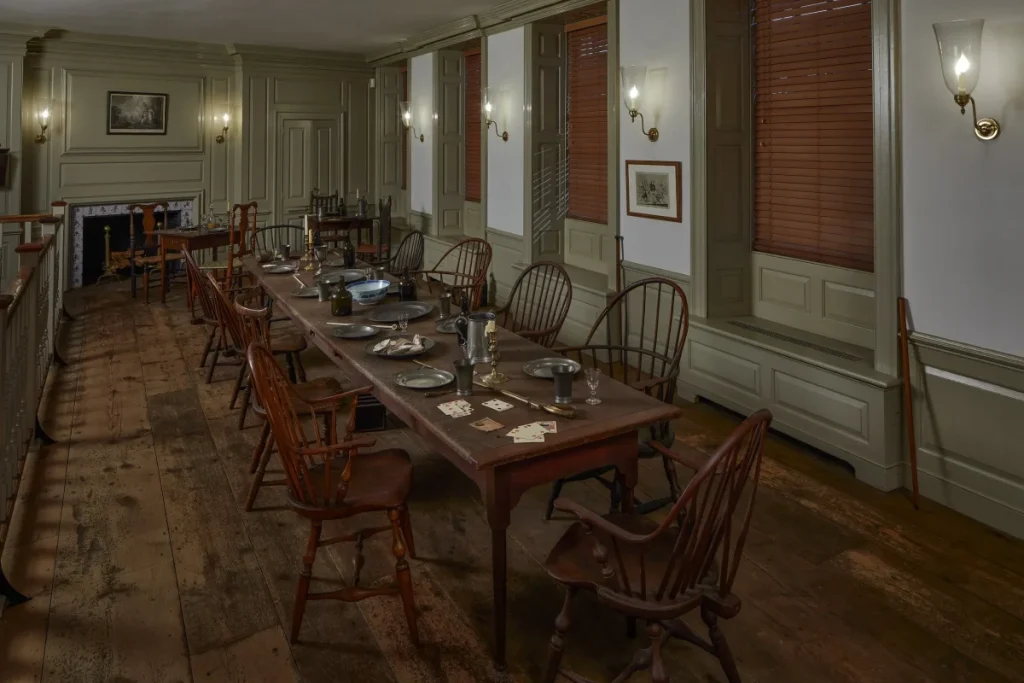
Fraunces Tavern has a remarkable connection to George Washington. On June 14, 1776, the New York Provincial Congress hosted a 31-toast banquet in the tavern’s Long Room for Washington and his officers, with a final bill that included 78 bottles of Madeira and 30 bottles of port.
But Washington’s most famous visit came on December 4, 1783, just days after British troops evacuated New York. He gathered his Continental Army officers in the Long Room for an emotional farewell at the end of the Revolutionary War, raising a glass before embracing each officer and departing to resign his commission.
The tavern’s list of famous guests didn’t stop there. On July 4, 1804, Alexander Hamilton and Aaron Burr both attended a meeting at Fraunces Tavern—just one week before their infamous duel.
Know before you go
- Address: 54 Pearl Street (at Broad Street), Lower Manhattan, New York, NY 10004
- Museum Hours: Open daily from 12:00 PM to 5:00 PM
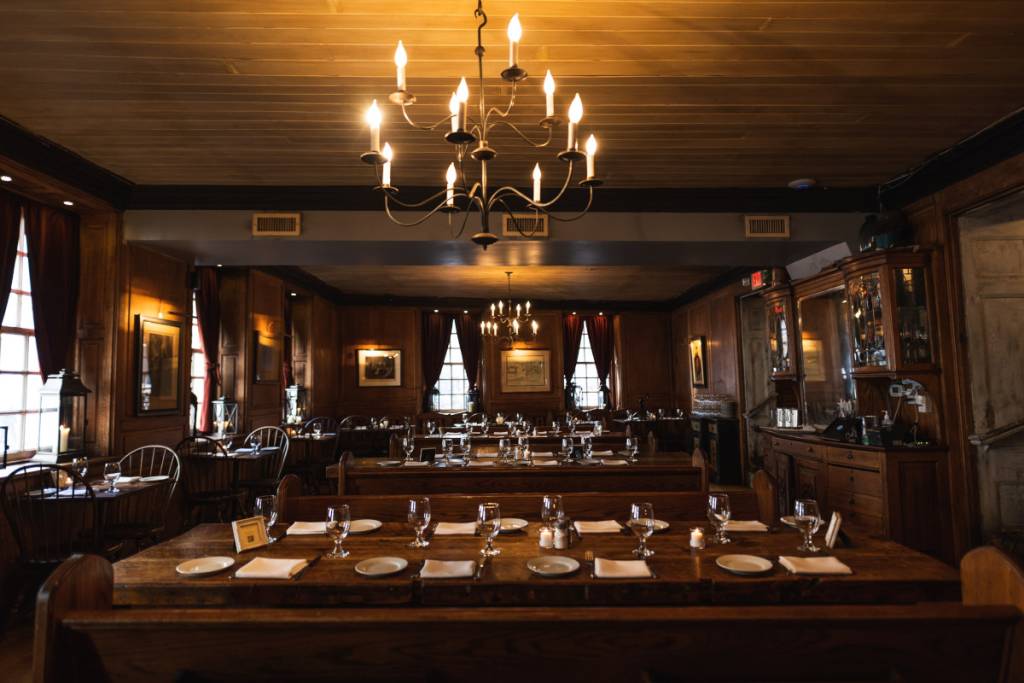
- Restaurant & Bar: Operates on the first floor daily for lunch, dinner, and drinks (reservations recommended for dining).
- Admission: Museum tickets can be purchased at the door on the second floor.