

How is it possible that we’re already at the end of September here in our favorite city? October in New York means crisp mornings, changing leaves in Central Park, pumpkin-spiced everything, and the unmistakable feeling that the year is flying by. But as we head into a new month, there are also a handful of new city and state rules that could affect your wallet, lease, subscriptions, and everyday routine.
From a freeze on rent increases for rent-stabilized apartments to new protections against subscription traps, here’s what’s changing in New York starting October 1.
1. NYC’s “Click to Cancel” Rule Goes Live

- Effective Date: October 1, 2026
- Enforcing Agency: NYC Department of Consumer and Worker Protection (DCWP)
If you signed up for a subscription online with a single click, a business can no longer force you to jump through phone trees or navigate confusing cancellation flows. Under NYC’s new municipal rule, companies operating in the city must provide a cancellation method as simple as the signup process. Violators face minimum civil penalties starting at $525 per occurrence, plus mandatory customer refunds.
2. 0% Rent Freeze for Rent-Stabilized Apartments

- Effective Date: October 1, 2026
- Governing Body: NYC Rent Guidelines Board
For leases beginning or renewing between October 1, 2026, and September 30, 2027, the permitted rent increase for the city’s roughly 1 million rent-stabilized units is set at 0% for both 1-year and 2-year leases. While a landlord challenge is pending in court, Manhattan Supreme Court rulings have kept the freeze actively in effect.
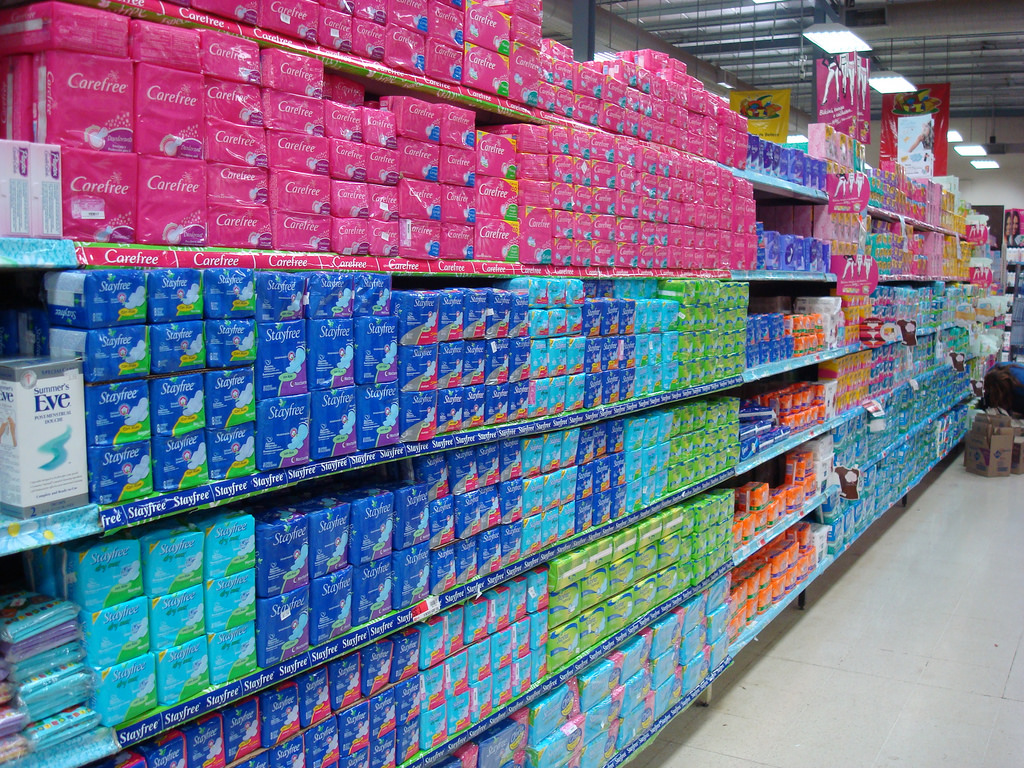
3. Local Law 136: Ban on Harmful Chemicals in Menstrual & Intimate Care Products
- Effective Date: October 10, 2026
- Enforcing Agency: NYC Department of Health and Mental Hygiene (DOHMH)
NYC is banning the sale and distribution of menstrual and intimate care products that intentionally contain harmful ingredients, toxic chemicals, or undisclosed restricted fragrances listed on the packaging. Stores and distributors violating the rule face civil penalties of up to $250 per violation.