
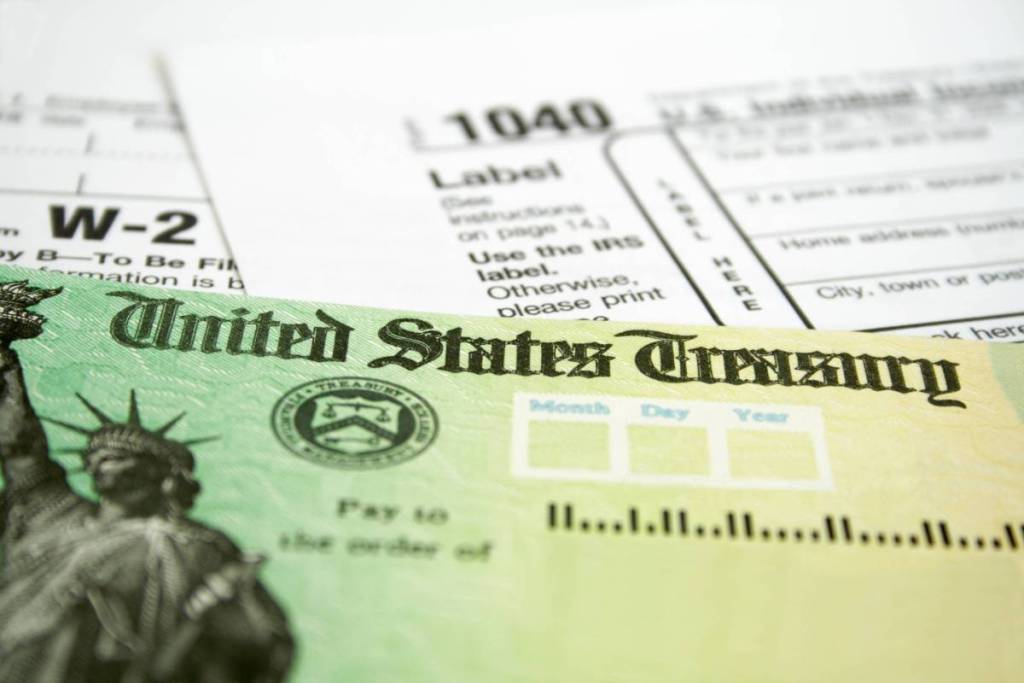

A little good news for your wallet: the IRS just confirmed next year’s federal tax brackets, and nearly everyone is getting a bit more breathing room.
The standard deduction for single filers rises to $16,600 for 2027, and every tax bracket is stretching to keep up with inflation.
The IRS announced the changes on Thursday, November 5, in its annual inflation adjustments.
They apply to income you earn in 2027, which means the tax returns you’ll file in early 2028.
Here are all the details and what it means for your future wallet.
The new standard deduction
The standard deduction is the chunk of income the IRS doesn’t tax at all, and most people take it instead of itemizing.
Here’s how it’s changing:
- Single filers: $16,600 (up from $16,100)
- Married couples filing jointly: $33,200 (up from $32,200)
- Heads of household: $24,925 (up from $24,150)
The 2027 tax brackets
The seven tax rates themselves aren’t changing, but the income levels for each bracket are rising by about 3.2%.
That means more of your money gets taxed at lower rates.
Single filers:
- 10%: up to $12,800
- 12%: $12,801 to $52,025
- 22%: $52,026 to $109,125
- 24%: $109,126 to $208,325
- 32%: $208,326 to $264,550
- 35%: $264,551 to $661,375
- 37%: over $661,375
Married couples filing jointly:
- 10%: up to $25,600
- 12%: $25,601 to $104,050
- 22%: $104,051 to $218,250
- 24%: $218,251 to $416,650
- 32%: $416,651 to $529,100
- 35%: $529,101 to $793,650
- 37%: over $793,650
What it could mean for you
To put real numbers on it, we compared what you’d owe in federal income tax under the 2026 and 2027 rules, assuming you earn the same amount and take the standard deduction:
- Single, earning $50,000: about $68 less
- Single, earning $75,000: about $280 less
- Single, earning $100,000: about $280 less
- Married couple, earning $150,000: about $561 less
It’s not life-changing money, but in a city where a coffee and a bagel can run you $15, every bit helps.
Keep in mind these are federal savings only.
New York State and New York City income taxes are separate, and your own bill will depend on things like credits, deductions and any raise you get next year.
A few other changes worth knowing
- Commuter benefits: the monthly limit for pre-tax transit and parking benefits rises to $350, up $10, which is handy if you pay for your subway rides or monthly commuter rail pass through work.
- Child Tax Credit: the maximum goes up to $2,300 per child.
- Health FSA: you can set aside up to $3,500 pre-tax, up $100.
- Gift-giving: you can give up to $20,000 per person in 2027 without having to file a gift tax return, up from $19,000.
The IRS also typically updates paycheck withholding tables at the start of the year, so it’s worth glancing at your pay stubs in January to see if your take-home pay ticks up.
Don’t miss out! Follow us on Facebook, Instagram, and now on WhatsApp, too!