


The moment has arrived, jet-setters: the Entry/Exit System (EES) debuted on October 12th after much fanfare, and it’s bringing your next European getaway into the 21st century.
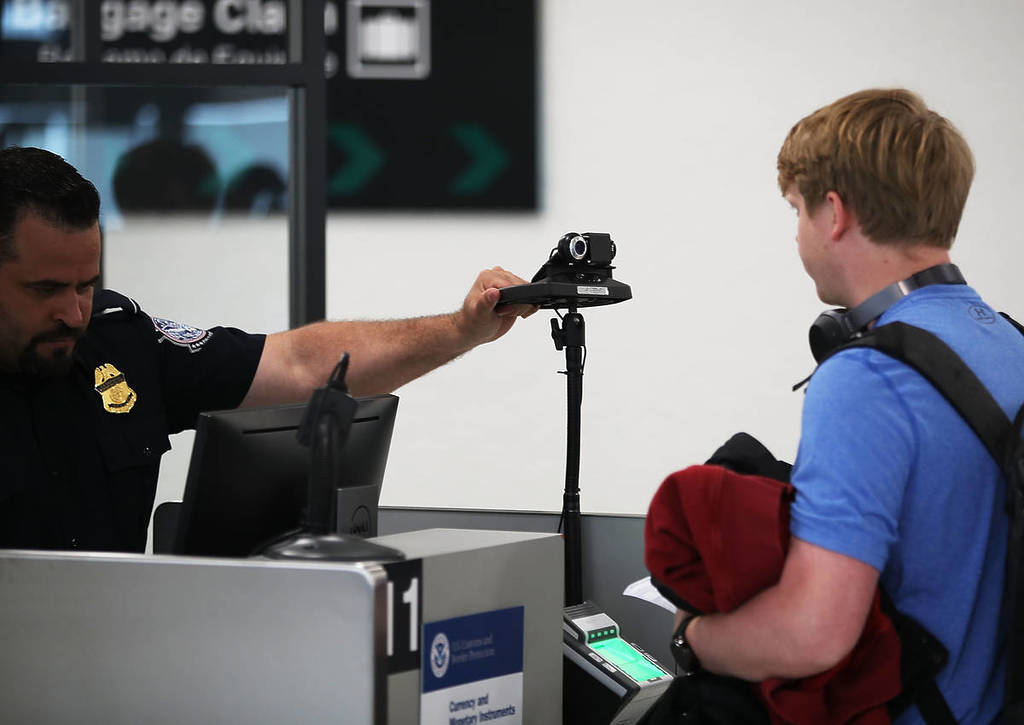
An automated IT system, EES will gather your biometric data through fingerprints and facial scans — something you might not have necessarily encountered on your last international journey.
The new travel requirement has only just begun and won’t be fully implemented until April of 2026, but there’s plenty to know before showing up to the airport. Pack your bags and we’ll give you the deets.
The EES has gone into effect on October 12th
EES, not to be confused with ETIAS, requires registration information for non-European travelers entering and exiting the borders for a “short stay,” which is up to 90 days within any 180-day period.
First-time travelers will be expected to provide a face scan and/or fingerprints, but those who’ve crossed the borders previously with the EES system will just need to verify the data. (Sorry newbies, this might take a bit more time than what the seasoned travelers experience.)
What countries are participating in EES?
- Austria
- Belgium
- Bulgaria
- Croatia
- Czechia
- Denmark
- Estonia
- Finland
- France
- Germany
- Greece
- Hungary
- Iceland
- Italy
- Latvia
- Liechtenstein
- Lithuania
- Luxembourg
- Malta
- Netherlands
- Norway
- Poland
- Portugal
- Romania
- Slovakia
- Slovenia
- Spain
- Sweden
- Switzerland

What data does the EES collect?
Per the official website of the European Union, the EES stores the following:
- Data listed in your travel documents
- Date and location of each entry and exit
- Facial image and fingerprints
- Whether you were refused entry
How can you protect your data?
While you’re unable to refuse the EES system when traveling to any of the 29 locales listed above, it does coincide with EU Privacy laws. However, you’re permitted to:
- Ask for the data that’s being collected
- Request that errors be corrected
- Have unlawfully processed personal data erased
What kind of passport do you need for crossing these European borders?
Biometric and non-biometric passports will be accepted. However, if you’re planning to use the self-service system, only biometric passports are permitted.
What happens if I exceed the “short stay”?
Travelers who extend the period of time in which they’re able to stay will be “subjected to return procedures in accordance with the Return Directive 2008/115” which could mean an entry ban.
If you’re thinking about an impending holiday market run, visiting your roots, and beyond, familiarizing yourself with the EES is a must. For more information, visit the European Union website.