
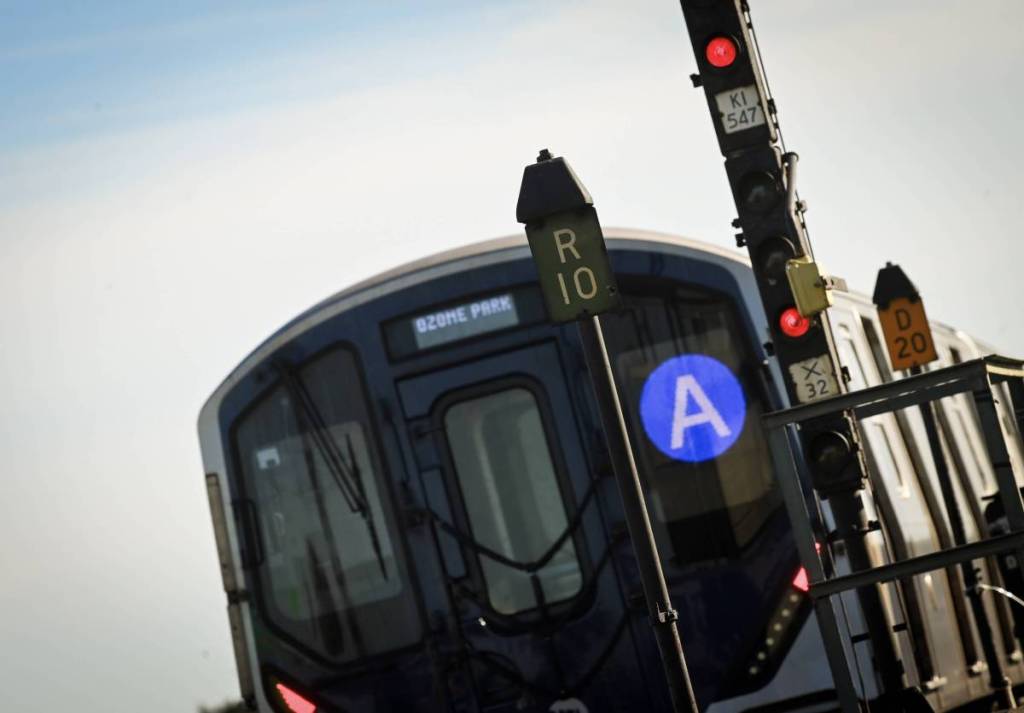

If you’ve ever sat in a dark tunnel on the A train wondering why you’re not moving, there’s a good chance 90-year-old signals are to blame.
But that’s about to change.
The MTA has officially started the largest signal and track replacement project in its history, a $1.9 billion upgrade to A and C service in Brooklyn and Queens, Governor Kathy Hochul announced this morning.
The project is paid for by congestion pricing revenue.
Here are more details on what’s going on and when you can expect to actually see a difference.
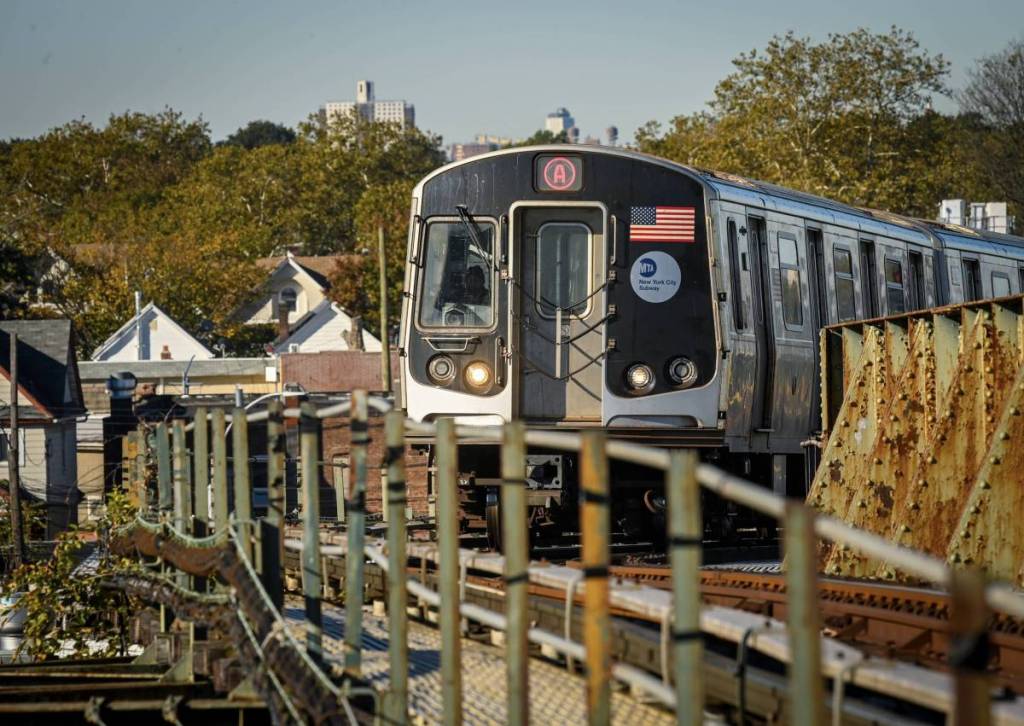
What’s actually changing
The project replaces signals dating back to the 1930s, which are the oldest signal equipment still in use anywhere in the subway.
Their replacement is a modern system called Communications-Based Train Control (CBTC).
The old system splits the tracks into fixed blocks, and only one train can be in a block at a time. CBTC tracks each train’s exact location and speed, so trains can run faster and closer together.
Which of course means more frequent and more reliable service.
Where it’s happening
- 42 track miles along the Fulton and Liberty lines
- From High St in Brooklyn to Ozone Park–Lefferts Blvd in Queens
- 23 stations used by about 350,000 weekday riders
- Connections to seven other subway lines, 36 bus routes and the LIRR
Across their full routes, the A and C carry about 750,000 riders on a typical weekday.
Does this stuff actually work?
The numbers say yes.
After CBTC was installed on the 7 train, on-time performance jumped from 68% to 91%. On the E in Queens, trains got about 10% faster. CBTC already runs on the full 7 and L lines and on parts of the E, F, M and R.
“Signal issues are the top cause of subway delays,” said MTA Chair and CEO Janno Lieber.
He added that the upgrade will help the A and C run “faster, safer, and more reliably.”
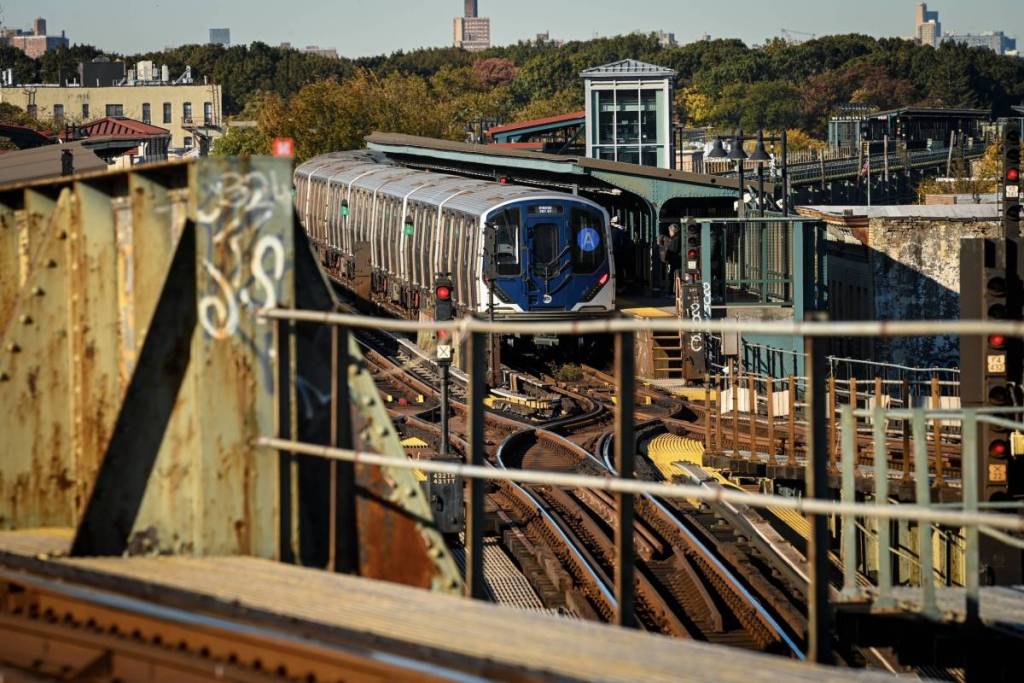
Cheaper than past upgrades, too
The MTA says it expects to cut the cost per mile by 33% compared with earlier signal projects.
It’s using a “design-build” contract that puts more of the risk on the contractor, L.K. Comstock & Railworks. It will also skip costly upkeep of the old signals during the switchover.
What comes first, and when it’s done
The first phase replaces aging switches and more than 250 feet of specialized track between 99th and 104th Streets in Queens. The project also includes groundwork for future cell service in the area.
The whole project is expected to be finished in spring 2032.
What’s next for the rest of the subway
This is part of a bigger push.
Congestion pricing is funding signal modernization on nearly 85 miles of subway track. The MTA’s 2025–2029 capital plan adds another $5.4 billion for more than 75 miles of upgrades on the N/Q/R/W, A (Rockaway), S and J/Z lines.
So the trip to Rockaway Beach may get a little faster eventually. It’ll just take a few more years.
Don’t miss out! Follow us on Facebook, Instagram, and now on WhatsApp, too!