

As most of the country did yesterday, New Yorkers headed to the polls on November 3 for the 2026 midterm elections.
Political candidates weren’t the only thing on the ballot. Voters were also deciding on five proposed changes to the city’s charter.
All five ballot measures were approved, bringing a series of changes to how NYC handles everything from outdoor dining applications and street improvements to construction permits and city finances.
If you’re trying to figure out what exactly was passed and what it could mean for New Yorkers in their everyday lives, let’s break it down.
1. Outdoor dining applications are faster
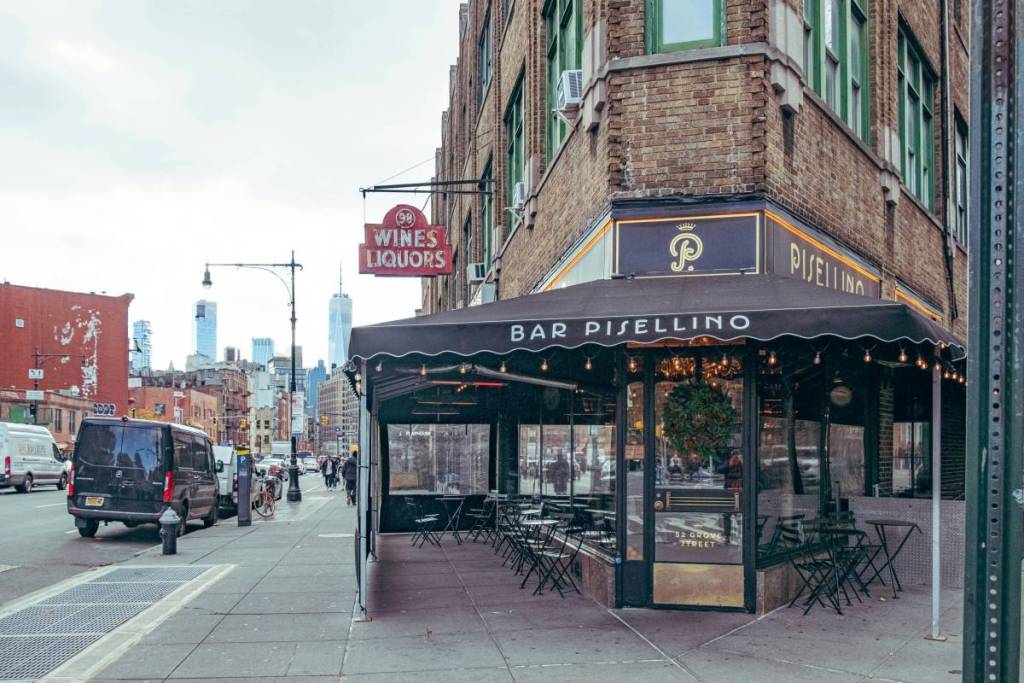
The first measure focuses on making it easier for businesses to use public sidewalk space for things like outdoor dining, accessibility ramps, benches and planters.
According to committee officials, the new process could decrease the timelines of outdoor dining applications from approximately eight months to just two months. It could even save businesses up to $1,800 in fees when applying.
2. Less paperwork for businesses working with NYC
The second measure takes aim on refining the process of how businesses and non-profits alike apply for city contracts.
This includes modifying contractor questionnaires based on the type and size of the contract itself. All in all, the goal is to make it easier and quicker to award city contracts to interested parties.
3. Street safety projects will move along faster
The third measure helps change particular approval processes for transportation improvements: bike lanes, bus lanes and other street infrastructure projects.
Also introduced in the amendment are changes to the way unused city-owned properties are sold and leased while also streamlining the workflow for city employees to acquire office space.
4. Building permits will be easier to navigate
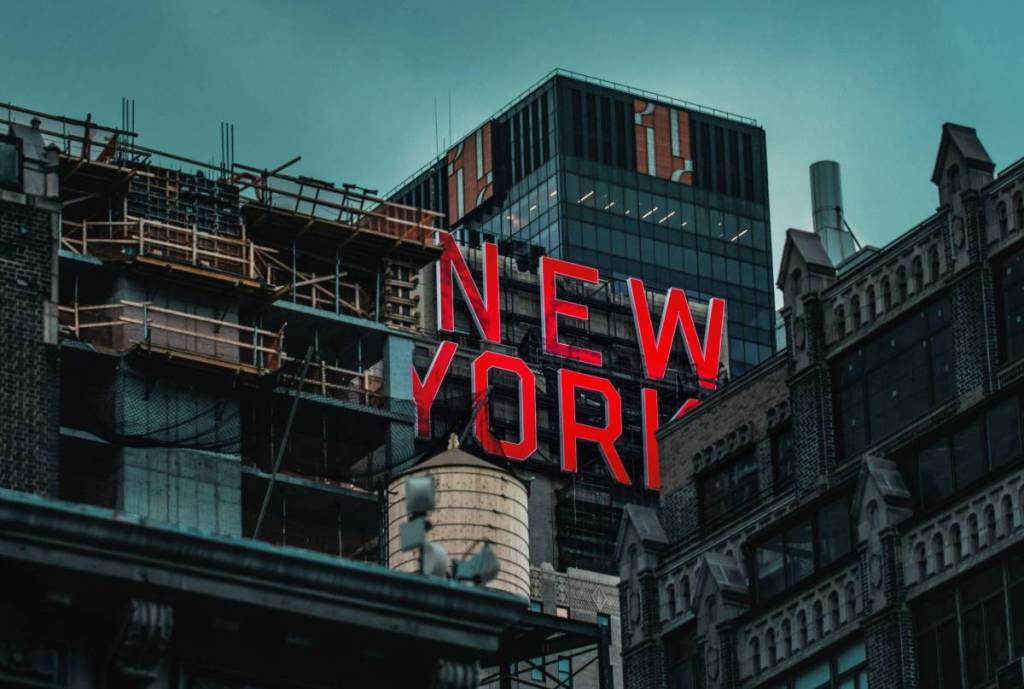
This fourth measure’s purpose is to help centralize a new system where building permit applicants can submit construction permits AND retrieve approvals all in one place.
Another part of the measure shifts the responsibilities of waterfront permitting to NYC’s Department of Buildings.
5. NYC is finally setting a target for its rainy day fund
The fifth and final measure focuses more on the city’s finances; more specifically on the “ainy day fund. It establishes a reserve target of at least 12% of the previous year’s tax revenue.
The goal is to give the city a clearer budget on savings put aside that can assist with unexpected expenses, financial challenges or even future economic downturns.
So, when is this all happening?
With all five proposals approved, New York City will start to implement each of these at varying timelines. A few will take effect as the election results are fully certified, while others will be phased in over the next couple of years.
A lot of these new changes are definitely more targeted for the behind the scenes of how the city’s government operates. But, the people of New York will hopefully feel the impact through their local businesses, neighborhood streets or even construction projects across the five boroughs!
Don’t miss out! Follow us on Facebook, Instagram, and now on WhatsApp, too!