


Runners will travel a slightly different route through the Bronx this year.
The primary goal is to minimize the race’s impact on Mott Haven residents.
The Bronx section of the race is just over a mile long. Until this year, runners had to navigate seven different turns in this short stretch.
The updated layout cuts the number of turns from seven to five.
Why the route is shifting
The old course looped around a specific block on East 140th Street. This block houses a Western Beef supermarket and a 24-hour laundromat.
According to The New York Times, this loop cut off these essential businesses from cars. It also complicated walking routes for pedestrians for most of the day.
This created a major roadblock for locals, especially residents of the nearby Patterson public housing complex, which holds almost 1,800 units. Because the marathon happens on a Sunday, the road closures severely disrupted weekend errands.
According to The New York Times, event organizers recognized that these sections of the Bronx are considered food deserts. Restoring full access to the local supermarket and laundromat became the driving force behind the course shift.
Navigating the new Bronx path
In previous years, marathoners ran up Morris Avenue and made a left onto East 140th Street. They looped right around the supermarket parking lot before taking another left onto Rider Avenue.
Starting this year, the path is much more direct. Runners will stay on Alexander Avenue and head north past 138th Street. They will continue up to 141st Street before turning left onto Third Avenue.
When the runners finally turn right onto 138th Street heading south, they will head straight over the Madison Avenue Bridge back into Manhattan. This new path completely bypasses the supermarket block.
A historic anniversary race
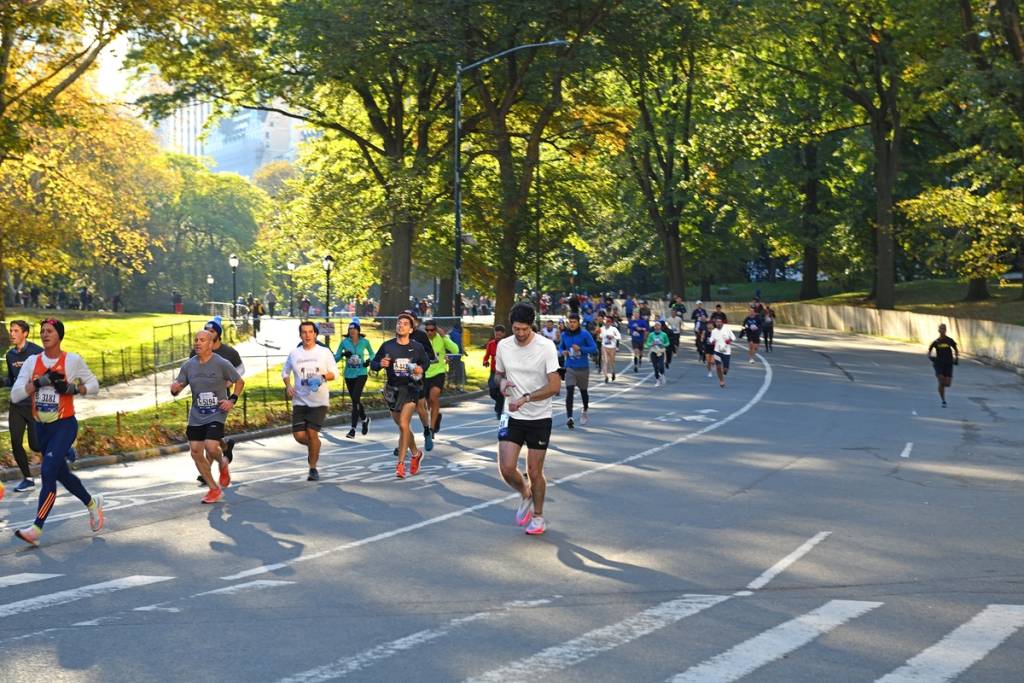
This community-focused change arrives during a major milestone for the city. This year marks the 50th anniversary of the five-borough version of the marathon.
From 1970 to 1975, the course consisted of four-plus loops inside Central Park. It wasn’t until 1976 that the race finally expanded to include the Bronx and the rest of the city.
Half a century later, the legendary route is still evolving to better serve the neighborhoods it runs through.